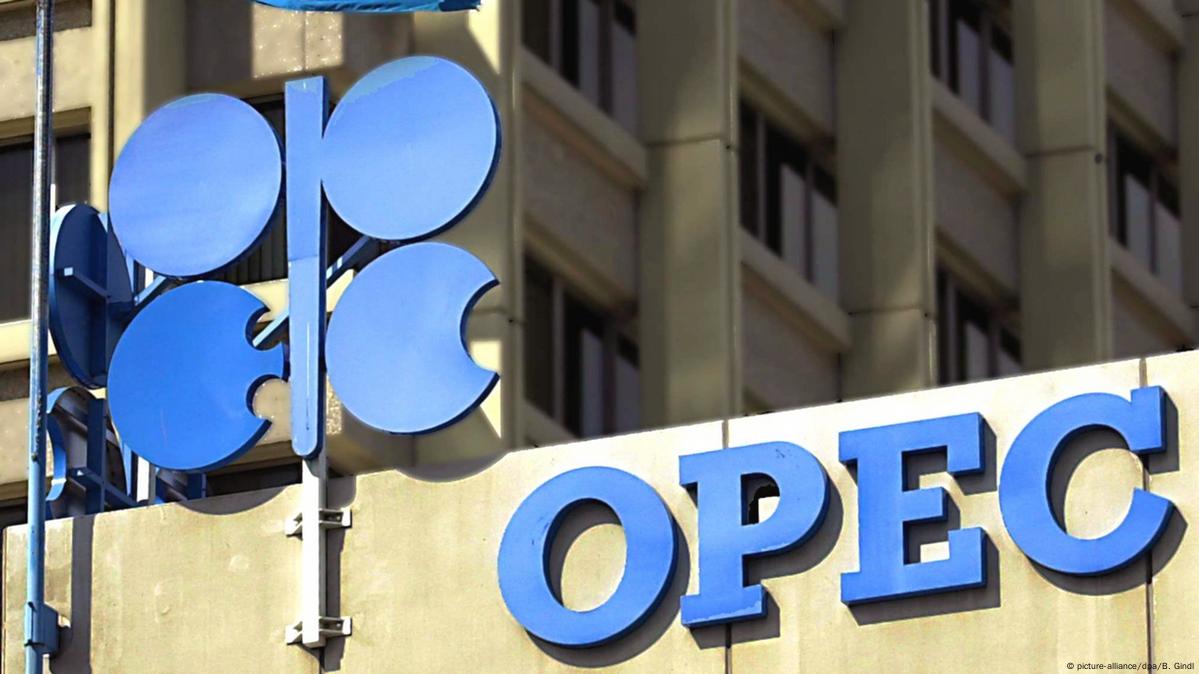
The Organisation of the Petroleum Exporting Countries, OPEC, and its allies, collectively known as OPEC+, have announced plans to increase oil production by 137,000 barrels per day (bpd) beginning in October 2025.
The move follows a virtual meeting held by key member states to assess current market conditions and future projections.
In a statement released on its official website, OPEC explained that the decision comes as part of an adjustment to the 1.65 million bpd voluntary output cuts first announced in April 2023.
The group noted that the adjustment is being made in response to a stable global economic outlook and the presence of “healthy” market fundamentals, reflected in low global oil inventories.
The participating countries in this latest decision include some of the world’s largest producers: Saudi Arabia, Russia, Iraq, the United Arab Emirates, Kuwait, Kazakhstan, Algeria, and Oman. Collectively, they play a significant role in shaping the global oil supply and ensuring balance between market stability and national economic interests.
“The eight participating countries decided to implement a production adjustment of 137,000 bpd from the 1.65 million bpd additional voluntary adjustments announced in April 2023,” the statement read.
The organisation clarified that the 1.65 million bpd cut, originally intended as a temporary stabilisation measure, may be gradually restored either in part or in full depending on how market conditions evolve.
ALSO READ: Oil prices dip after OPEC announces surprise output hike
This cautious approach underscores OPEC’s strategy of maintaining flexibility while responding to shifts in demand, geopolitical developments, and inventory levels.
When the voluntary cuts were first introduced in 2023, they were later extended to the end of 2026 as oil markets faced uncertainty stemming from global inflationary pressures, geopolitical tensions, and fluctuating demand in Asia and Europe.
At the time, OPEC+ emphasised the importance of coordinated action among members to prevent oversupply and protect oil-dependent economies.
Now, two years into the policy, the group believes the global economy is demonstrating resilience, with energy demand remaining steady despite challenges such as rising interest rates, trade disruptions, and regional conflicts.
OPEC added that the decision to raise production reflects confidence in the market’s ability to absorb additional supply without destabilising prices.
Industry analysts note that the modest increase of 137,000 bpd is unlikely to significantly alter global prices in the short term but signals OPEC+’s willingness to adjust course as needed.
By gradually returning some of the withheld supply, the group hopes to reassure both consumers and producers of its commitment to market stability.
The alliance will reconvene on October 5 to review the effectiveness of this decision and determine whether further adjustments will be necessary.
Market watchers will be paying close attention to that meeting, as OPEC’s strategy often sets the tone for global oil markets and influences energy policy across continents.
For now, the October increase represents a careful balancing act: boosting supply just enough to meet demand growth while avoiding the kind of oversupply that could depress prices and harm member economies.
NAN