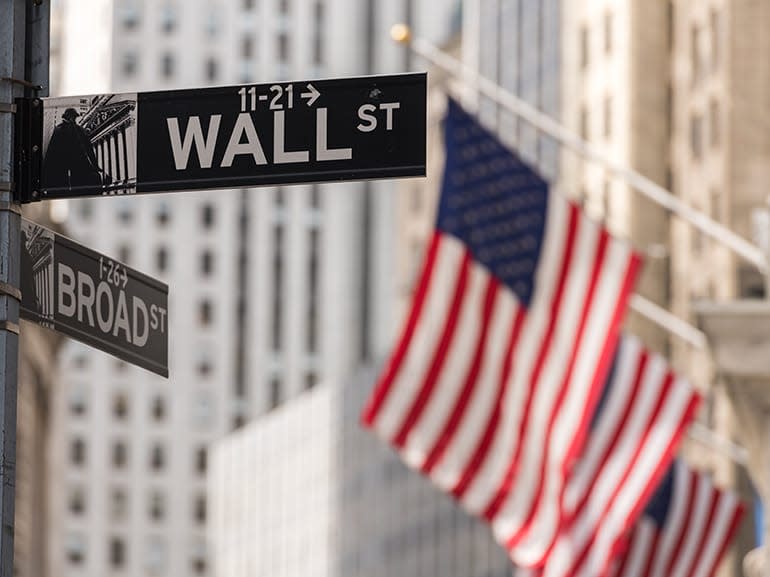
Global equity markets delivered a mixed performance on Wednesday, reflecting cautious sentiment after Wall Street stumbled overnight.
Concerns about overheated valuations in technology stocks combined with conflicting signals from the U.S. Federal Reserve left investors unsure about the near-term trajectory of monetary policy.
Despite the uncertainty in the West, Asian markets found a bright spot in the performance of Chinese technology firms.
Alibaba surged by more than nine percent in Hong Kong trading after Chief Executive Eddie Wu announced that the e-commerce and cloud giant would dramatically expand its spending on artificial intelligence.
The company pledged around 380 billion yuan (US$53 billion) for AI infrastructure over the coming years, underscoring its determination to remain at the forefront of the global tech race. Wu described the industry’s growth as faster than anticipated, pointing to soaring demand for cloud-based AI services.
The announcement sent ripples through the wider sector, with Tencent, JD.com, and Meituan also recording notable gains.
The rally helped offset losses elsewhere in Asia, where markets in Tokyo, Jakarta, Bangkok, and Wellington posted modest rises, while Sydney, Seoul, Singapore, Taipei, and Manila slipped into the red.
Meanwhile, in the U.S., investor enthusiasm cooled sharply after a months-long rally that had propelled major indexes to record highs.
The Nasdaq and S&P 500, driven by AI leaders such as Nvidia and Amazon, gave up ground on Tuesday as analysts warned that valuations might have outpaced fundamentals.
Adding to the unease, comments from Federal Reserve officials injected uncertainty into expectations of future rate cuts. Fed Chair Jerome Powell cautioned that policymakers faced difficult choices.
ALSO READ: Trump sues Wall Street Journal over report on Epstein’s birthday letters
“If we ease too aggressively, we could leave the inflation job unfinished and need to reverse course later,” he said. Conversely, he acknowledged that holding rates too high for too long could “soften the labour market unnecessarily.”
Regional Fed leaders were equally divided. Atlanta’s Raphael Bostic and Chicago’s Austan Goolsbee warned of persistent inflationary risks, while Governor Michelle Bowman called for more aggressive rate cuts, citing weakening labour market conditions.
The mixed outlook has left investors awaiting Friday’s release of the Personal Consumption Expenditure index — the Fed’s preferred inflation gauge — as well as next week’s U.S. jobs report. Both data sets are expected to heavily influence the Fed’s next policy moves.
In Europe, markets opened lower with London, Frankfurt, and Paris all slipping. Analysts noted that while European equities had also benefited from global risk-on sentiment earlier this year, concerns about U.S. monetary policy and slower Chinese growth weighed on investor confidence.
Commodity prices were largely steady. West Texas Intermediate crude edged up 0.1 percent to $63.46 per barrel, while Brent crude held flat at $66.98. Currency markets showed the dollar strengthening against the yen but weakening slightly against the euro and pound.
Overall, the day’s trading underscored the delicate balance investors face between optimism over technological innovation, particularly in AI, and anxiety about central bank policy, inflation, and economic stability. For now, Alibaba’s bold bet on AI provided a welcome lift to Asia, even as Wall Street’s caution reminded markets that volatility may persist.
Punch
![Director General of WHO, Dr. Tedros Adhanom Ghebreyesus. [PHOTO CREDIT: Council of Foreign Relations]](https://crediblenewsng.com/wp-content/uploads/2025/04/RTS1S2HF-75x75.jpg)