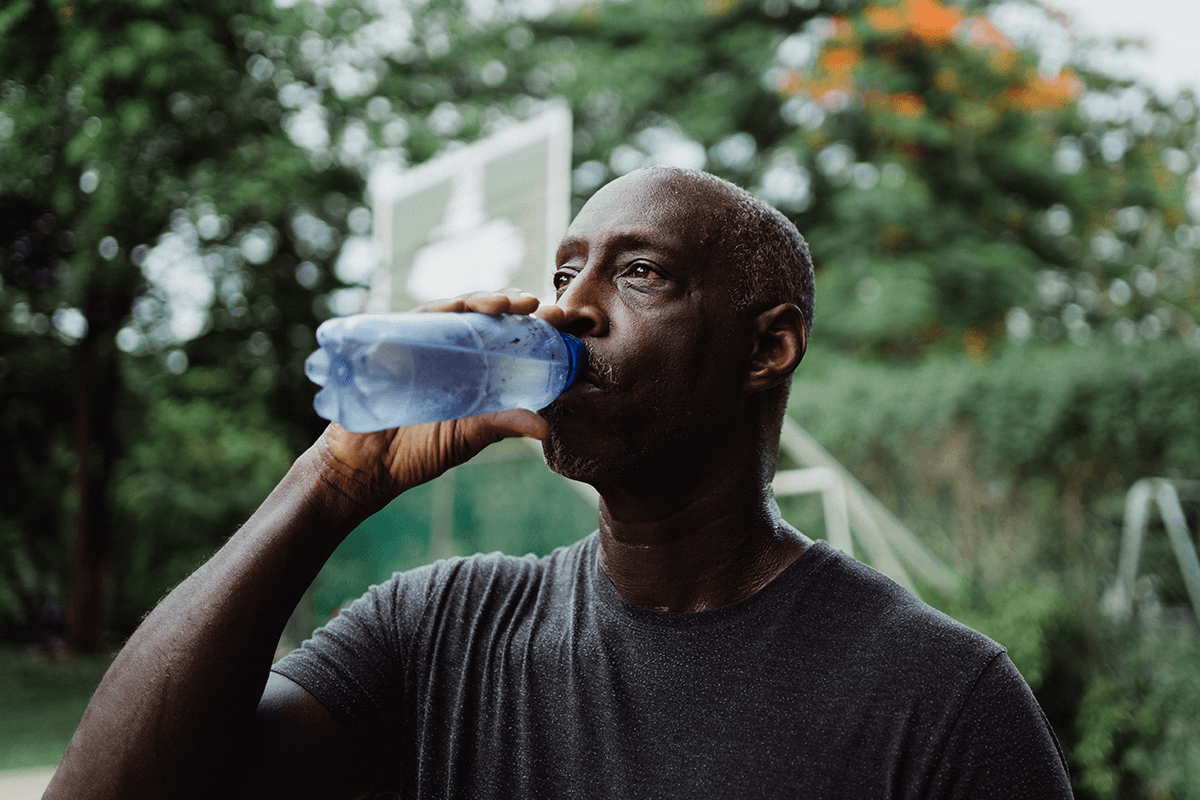
Regular use of bottled water could expose drinkers to hidden dangers, with studies linking it to increased microplastic intake and long-term health concerns.
A new study led by Sarah Sajedi, co-founder of ERA Environmental Management Solutions and a PhD researcher at Concordia University, shows that bottled water contains tens of thousands of microplastic and nanoplastic particles.
Published in the Journal of Hazardous Materials, the research highlights that individuals who rely on bottled water may ingest up to 90,000 more plastic particles each year compared to those who primarily drink tap water.
Microplastics, which measure between one micron and five millimeters, and nanoplastics, smaller than a micron, are invisible to the naked eye.
They are released as bottles are manufactured, stored, transported, and exposed to sunlight or fluctuating temperatures. Many bottles are made from low-grade plastic that sheds particles during everyday use.
“Bottled water should be an emergency solution, not a daily habit,” Sajedi warned. “The danger lies not in acute poisoning but in chronic exposure.”
The health risks associated with these particles are serious. Once inside the body, they can cross biological barriers, enter the bloodstream, and reach vital organs.
READ ALSO:BRICON foundation seeks empowerment for cancer survivors
Early evidence suggests possible links to oxidative stress, hormone disruption, reproductive issues, neurological damage, chronic inflammation, and some cancers.
Still, researchers stress that the long-term impacts remain poorly understood, partly due to limited testing and the absence of standardized tracking methods.
The challenge is also technical. While some scientific tools can detect very small plastics, they fail to reveal their chemical makeup. Others identify the composition but miss the tiniest particles.
The most advanced equipment capable of both functions remains costly and inaccessible to many laboratories.
Although governments worldwide have taken action to limit single-use plastics such as bags, straws, and packaging, bottled water often escapes regulation. Sajedi argues that raising awareness is crucial.
“Education is the most important action we can take,” she said. “People need to understand that this is about chronic toxicity that builds up over time.”
SciTech daily.com