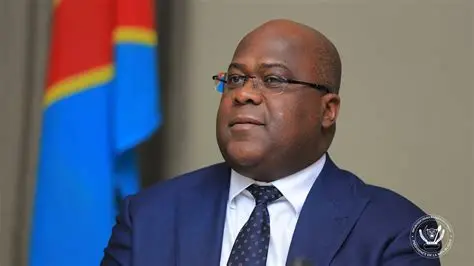
The President of the Democratic Republic of Congo, Felix Tshisekedi has warned that it will permanently ban cobalt exporters that violated its new quota system.
This came as the world’s top producer tightened controls to curb fraud and stabilize prices. Congo, which accounted for about 70 per cent of global cobalt output, halted exports in February after prices of the critical electric battery metal hit a nine-year low.
A quota system based on historical exports will replace the ban in Oct. 16, Congo’s state minerals regulator ARECOMS said in September.
Miners would be allowed to ship up to 18,125 metric tons of cobalt for the rest of 2025, with annual caps of 96,600 tons in 2026 and 2027.
Also read: Need to Regulate POS Transactions in Nigeria’s Financial Ecosystem
According to minutes from Friday’s cabinet meeting seen by Reuters at the weekend, Tshisekedi plans to apply exemplary sanctions” including permanent exclusion from Congo’s new cobalt regime to any violators of the system.
Only ARECOMS is authorized to issue and revoke cobalt export quotas, including decisions on allocations, the minutes showed.
The cobalt export ban, which was extended in June triggered force majeure declarations from Glencore, GLEN.L, opened new tab and China’s CMOC Group (603993.SS), opened new tab.
Glencore, the world’s second-largest cobalt producer, supported the quota system while CMOC, the top producer, opposed it.
Tshisekedi said the export freeze helped drive a 92 per cent rebound in cobalt prices since March, calling the new system “a real lever to influence this strategic market” after years of “predatory strategies,” according to the minutes.
The crackdown came amid escalating conflict in mineral-rich eastern Congo, where fighting between M23 rebels and the army has killed thousands and displaced hundreds of thousands.
A U.S.-backed peace effort faced a new setback on Friday, when Congo and Rwanda failed to sign an accord known as a Regional Economic Integration Framework, part of a plan to make the two countries’ sectors more attractive to Western investors.
Reuters/NAN