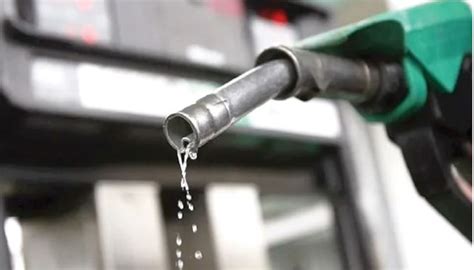
The Nigerian National Petroleum Company Limited, NNPCL, has increased petrol price effective Monday, October 13, 2025.
In Lagos, the pump price of petrol jumped by N127, moving from N865 per litre to a staggering N992 per litre.
Similarly, in the nation’s capital, Abuja, the price increased by N65, from N890 per litre to N955 per litre placing a substantial financial burden on consumers and businesses.
While NNPC Limited has not provided an explicit official statement for this particular hike, previous adjustments earlier in October were attributed to rising global crude oil prices and supply disruptions, including a strike by the Petroleum and Natural Gas Senior Staff Association of Nigeria, PENGASSAN, that reportedly affected crude oil production and supply.
The timeline of events leading to this moment reflects a volatile and unpredictable market. Earlier in 2025, there had been a brief period of price reduction, which was quickly undone by subsequent increases.
Also Read: NNPCL outlines $60bn strategy for gas growth
This erratic pricing environment is a direct consequence of the Nigerian government’s commitment to a fully deregulated downstream petroleum sector, a policy initiated with the removal of petrol subsidies in May 2023 Key players in this scenario include NNPC Limited, which remains a dominant force in product importation and distribution, independent marketers who adjust their prices in line with NNPC’s directives, and ultimately, the Nigerian consumer who bears the brunt of these adjustments.
Initial market reactions have been overwhelmingly negative, characterized by confusion and frustration. Many motorists were caught off guard, leading to widespread complaints and a sense of helplessness.
Reports from Lagos and Ogun States indicated that while some NNPC stations updated their meters, others were either closed or not dispensing fuel, creating localized scarcity and fueling speculation. Independent marketers are expected to follow suit, leading to a uniform increase across the board.
This sudden increase is already translating into higher transportation fares and an anticipated surge in the cost of basic commodities, further intensifying the financial strain on households and businesses already grappling with high inflation.
The latest petrol price hike by NNPC Limited will inevitably create a distinct divide within Nigeria’s corporate landscape, producing both winners and losers depending on their position within the economic value chain and their operational reliance on fuel.
Potential Winners: Companies in the upstream oil and gas sector, whose revenues are directly tied to global crude oil prices, stand to benefit. If the domestic price hike is a reflection of higher international crude benchmarks, then indigenous exploration and production companies such as Seplat Energy Plc (NGX: SEPLAT, LSE: SEPL) and Oando Plc (NGX: OANDO) could see improved earnings from their crude oil and gas sales.
Similarly, downstream marketing companies might experience improved margins if the new, higher pump prices adequately cover their importation and distribution costs, allowing for a more sustainable profitability in a deregulated market.
This could potentially benefit players like MRS Oil Nigeria Plc (NGX: MRSOIL), 11PLC (NGX: 11PLC, formerly Mobil Oil Nigeria Plc), Eterna Plc (NGX: ETERNA), and Ardova Plc (NGX: ARDOVA), provided they can manage competitive pressures and maintain sales volumes despite the higher prices.
Financial Content