Tanzania’s main opposition party, Chadema, has alleged that over 700 people were killed in violent protests following Wednesday’s general election, as the country remains under a nationwide internet blackout and nighttime curfew.
Sources in Dar es Salaam told AFP that deaths could be “in the hundreds,” while a security source and foreign diplomat confirmed similar figures amid mounting chaos across major cities.
President Samia Suluhu Hassan reportedly sought to consolidate her power with a decisive win, but the election turned violent as crowds tore down campaign posters, clashed with police, and attacked polling stations.
Foreign Minister Mahmoud Thabit Kombo dismissed the opposition’s claims, saying the government had “no figures” on any deaths.
“Currently, no excessive force has been used,” Kombo told Al Jazeera. “There’s no confirmed number of protesters killed.”
However, Chadema’s spokesman, John Kitoka, countered that the toll was far higher:
“As we speak, deaths in Dar es Salaam are around 350 and over 200 in Mwanza. Countrywide, the figure is close to 700,” he said, warning that the numbers could rise during the nighttime curfew.
The United Nations on Friday reported “credible information” of at least 10 deaths, while Amnesty International said it had confirmed over 100.
Independent verification has been difficult due to an ongoing media ban, blocked communications, and restrictions on foreign journalists. Hospitals reportedly fear government reprisal and have refused to comment.
Army Chief Jacob Mkunda condemned the demonstrators, branding them “criminals.”
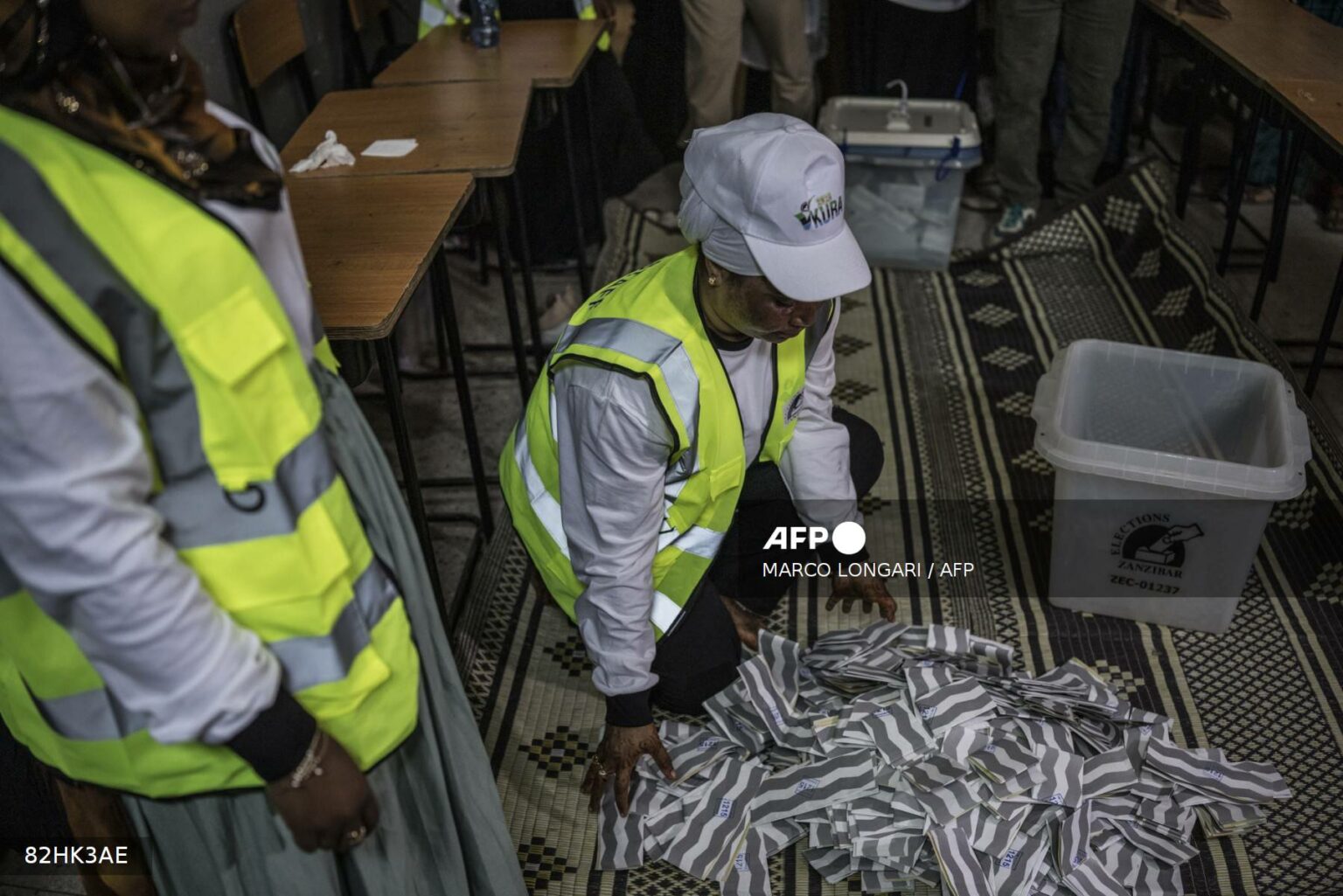
In Zanzibar, where Hassan’s ruling Chama Cha Mapinduzi (CCM) was declared winner of the local elections, opposition group ACT-Wazalendo rejected the outcome, accusing the government of vote rigging and ballot box stuffing.
READ ALSO:Turmoil trails Tanzanian election
“They have robbed the people of Zanzibar of their voice,” the party said in a statement. “The only solution is a fresh election.”
Opposition supporters on the island described a climate of fear.
“We are afraid of speaking because they might come to our houses and pick us up,” one resident said anonymously.
Analysts say Hassan faces growing resistance from within her own party and the military, as she seeks to assert control following her succession of late President John Magufuli in 2021.
Rights groups have condemned what they call a “wave of terror” marked by abductions and intimidation ahead of the polls. Much of the public anger has reportedly focused on Hassan’s son, Abdul Halim Hafidh Ameir, accused of overseeing parts of the crackdown.