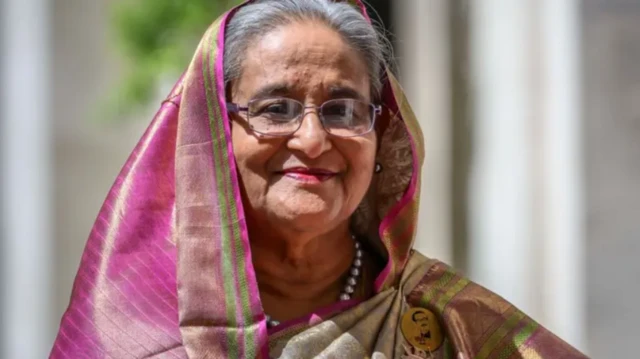
Bangladesh entered a tense new phase on Monday as a special tribunal in Dhaka delivered a death sentence to former Prime Minister Sheikh Hasina over her handling of the 2024 mass uprising that brought an end to her long-standing administration.
The International Crimes Tribunal ruled that Hasina was responsible for crimes against humanity linked to the violent suppression of nationwide protests, concluding a case that has sharply divided political observers at home and abroad.
Announced before a packed courtroom and broadcast live on state television, the verdict found Hasina guilty on three counts connected to the deaths of protesters during the unrest.
According to the tribunal’s findings, she was held accountable for issuing direct orders authorizing security forces to fire on demonstrators who were calling for democratic reforms and an end to her 15-year rule. The judgment was delivered under heavy security, reflecting concerns about public reaction.
Two senior members of Hasina’s former government also received sentences. Ex-Home Minister Asaduzzaman Khan was handed a death sentence, while former police chief Abdullah Al Mamun received a five-year prison term.
All three had been named in the indictment, which accused them of orchestrating and implementing a crackdown that left scores dead and significantly altered Bangladesh’s political landscape. Hasina, however, currently remains in exile in India.
Authorities across Bangladesh intensified security measures ahead of and immediately after the announcement.
Reports indicated sporadic violence overnight, including crude bomb explosions, arson attacks on commercial vehicles, and torch-lit processions in several cities.
Police also confirmed explosions outside the residence of a senior government adviser, heightening concerns about escalating unrest.
ALSO READ: At least 19 die as Bangladesh air force plane crashes into college campus
The now-banned Awami League, Hasina’s political party, had already declared a two-day nationwide lockdown in anticipation of the verdict.
Party officials dismissed the proceedings as politically motivated, arguing that the tribunal’s process lacked fairness and neutrality.
Their stance has energized supporters still loyal to the former leader, contributing to rising tensions in the capital and beyond.
In an effort to maintain order, the government deployed additional security forces, including units from the Border Guards Bangladesh, to key areas across Dhaka and other hotspots.
Traffic in the capital was noticeably lighter than usual Monday morning, with images from private broadcaster Somoy TV showing reduced movement on major highways.
Dhaka’s police chief, Sheikh Mohammad Sajjat Ali, issued strict instructions to officers, authorizing them to shoot individuals found engaging in arson or bomb attacks.
The directive underscores the seriousness with which authorities are approaching the aftermath of the tribunal’s decision, as the country braces for possible further disruptions.
NAN