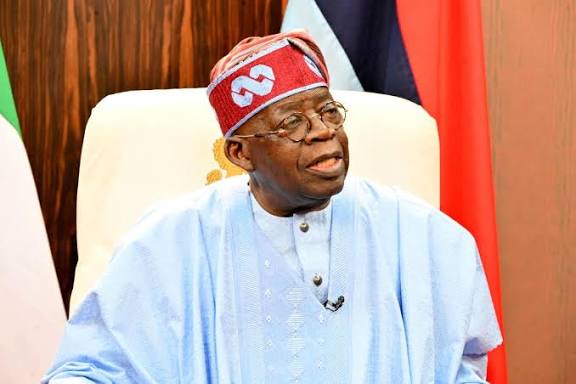
The Federal High Court in Abuja has ordered President Bola Tinubu to compel the Attorney General of the Federation to publish the names of individuals indicted in the alleged misappropriation of more than N6tn allocated to the Niger Delta Development Commission between 2000 and 2019.
The ruling, delivered on Monday, November 10, by Justice Gladys Olotu, further mandates the President to release the full NDDC forensic audit report submitted to the Federal Government on September 2, 2021.
The certified judgment was obtained last Friday following a Freedom of Information suit filed by the Socio-Economic Rights and Accountability Project in November 2021.
Justice Olotu held that both the audit report and the list of indicted persons qualify as “public records” under Section 31 of the Freedom of Information Act and are therefore not exempt from disclosure under Sections 11–19 of the Act.
She noted that the documents relate to the use of public funds and fall squarely within the scope of mandatory transparency.
“The refusal of the President and the Attorney General to publish the audit report or act on the allegations, despite formal demand by SERAP, constitutes a breach of their statutory duties under the Freedom of Information Act, Section 15(5) of the Nigerian Constitution, and Nigeria’s international obligations to promote transparency and accountability,” she ruled.
READ ALSO:Youths demand sack of NDDC representative from Ondo
The court reaffirmed that citizens have a legal right to access information held by public institutions and that the FOI Act imposes a non-discretionary duty on government officials to release such records.
Reacting, SERAP’s Deputy Director, Kolawole Oluwadare, described the judgment as a “ground-breaking victory for transparency and accountability in the spending of public funds,” urging immediate compliance by the Tinubu administration.
Human rights lawyer Femi Falana, SAN, also praised the ruling, calling it “one of the most patriotic public interest litigations ever undertaken in Nigeria,” warning that delayed enforcement could weaken the anti-corruption drive and erode respect for the rule of law.
In a letter dated November 22, 2025, SERAP formally urged the President to comply with the court’s orders without delay, saying it would demonstrate the administration’s commitment to transparency and accountability.