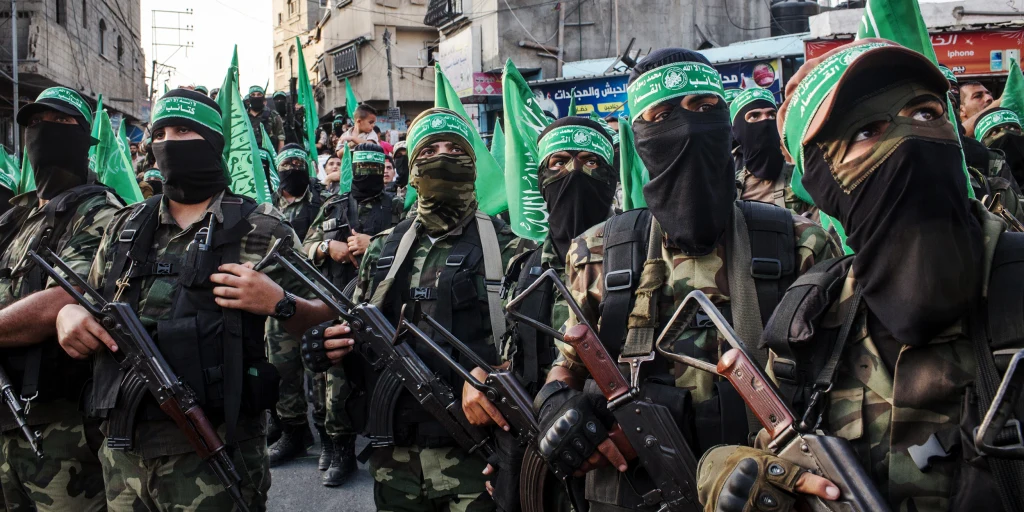
Negotiations are intensifying as mediators work to secure safe passage for dozens of Hamas fighters trapped deep inside a network of tunnels beneath Rafah in southern Gaza.
Multiple sources close to the talks confirmed that discussions are ongoing between regional intermediaries and Israeli authorities, who currently maintain military control over the area.
According to diplomatic sources, the trapped fighters are believed to number between 100 and 200, forming the remnants of Hamas units that retreated into the subterranean complex after months of sustained Israeli ground operations. The tunnels reinforced and interconnected over many years have become both a refuge and a strategic liability for the militants, with limited exits now cut off by Israeli forces.
Israeli media reports indicate that military intelligence has maintained surveillance over the tunnel network, isolating key sections to prevent escape while simultaneously weighing the risks associated with forcing entry. The possibility of high casualties, booby-trapped passageways, and the presence of civilian captives once held underground has made direct military clearance difficult.
READ ALSO Security escort 550 suspicious travellers from Niger Republic
Mediators from Egypt, Qatar, and other regional actors are said to be exploring options for a negotiated withdrawal that would prevent further escalation, especially as humanitarian conditions in southern Gaza remain dire. Any agreement would likely require guarantees from Hamas regarding disarmament, intelligence cooperation, or relocation conditions that remain deeply contested.
Security analysts note that while Israel appears open to dialogue on the fighters’ evacuation, it is also leveraging the situation to extract operational advantages that could weaken Hamas’s remaining command structure. The Israeli military has not publicly confirmed details of the negotiations, but senior officials have emphasized that Rafah remains a critical pressure point in the conflict.
For residents in the surrounding areas, the uncertainty around the fate of the fighters has continued to heighten tension, particularly as sporadic clashes and controlled demolitions occur near known tunnel entrances. Humanitarian groups warn that intensified operations in Rafah could further complicate relief efforts for thousands of displaced civilians.
As negotiations continue, the future of the trapped fighters and the broader implications for Gaza’s security landscape remains uncertain, hinging on delicate diplomacy and shifting military calculations.