Early findings from a major health and environmental study in Yobe State have pointed to the presence of toxic heavy metals in water sources consumed by residents of Gashua town, raising fresh concerns over the long-standing burden of chronic kidney disease, CKD, in the area.
The lead researcher, Prof. Mahmoud Maina, Director of the Biomedical Research and Training Centre, BioRTC, Yobe State University, Damaturu, disclosed this while speaking with the News Agency of Nigeria on Monday.
The preliminary report forms part of an ongoing investigation into the decades-old renal failure crisis affecting communities along the Yobe River.
Gashua, Jakusko and surrounding settlements have recorded persistently high cases of kidney-related illnesses, leading to widespread morbidity and mortality over the years. The new findings suggest environmental exposure may be compounding the crisis.
Maina explained that laboratory analysis detected heavy metals such as cadmium, lead and arsenic in water samples collected from the area.
He warned that these substances are not naturally expected in safe environments and pose serious health risks.
He noted that prolonged exposure to such metals could trigger not only kidney disease but also other life-threatening conditions, including cancer and dementia.
Beyond environmental factors, the report identified diabetes and hypertension as major contributors to CKD in the affected communities.
Maina added that fishermen appeared to be the most vulnerable group, possibly due to prolonged contact with contaminated water sources.
The research, sponsored by the Yobe State Government, involved a multidisciplinary team of about 50 scientists drawn from Nigeria, the United States, the United Kingdom and Ghana.
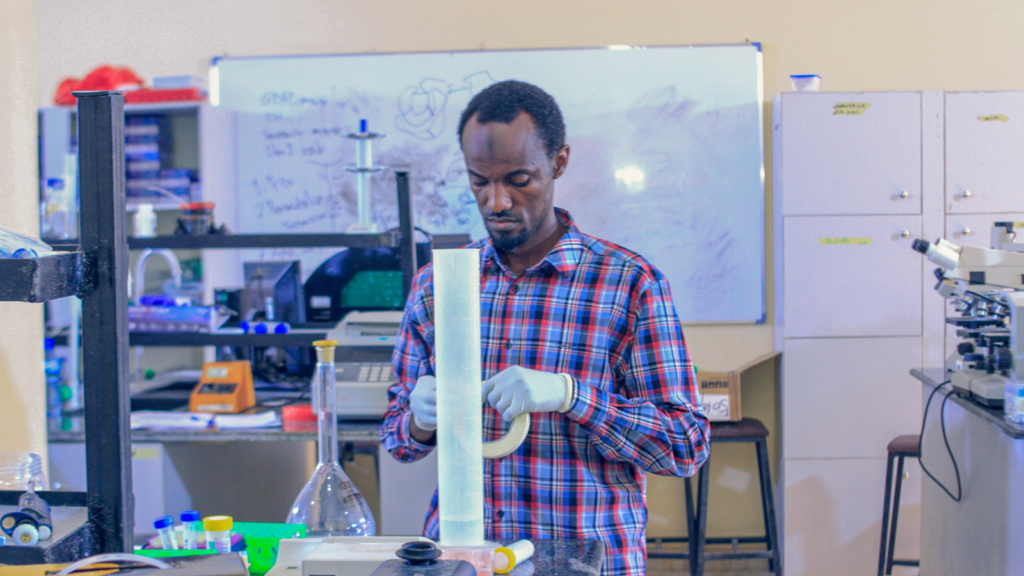
Over 3,000 samples were collected, including human specimens such as blood and urine, as well as food items, farm soil, river water and borehole water.
Experts involved in the study included nephrologists, geologists, chemists, physicians, geneticists and environmental scientists, reflecting the complex nature of the health challenge.
Maina said the findings so far were preliminary, stressing that a more detailed and comprehensive report would be released in January 2026 to guide policy and intervention.
On a separate but related effort, the BioRTC director highlighted the centre’s newly launched dementia research in Damaturu.
Also Read: Aminu Kano Teaching Hospital excels in kidney dialysis
He said data on lifestyle habits, blood samples and skin biopsies were collected from 1,200 high-risk individuals for genetic analysis and biomarker screening.
He explained that dementia, though often associated with old age, is not a normal part of aging.
The condition progresses from memory loss to confusion, hallucinations and loss of self-care ability.
Maina described the use of Induced Pluripotent Stem Cells technology as a breakthrough in dementia research, especially in situations where brain tissue donations are unavailable.
Through this method, skin or blood samples can be converted into stem cells and later developed into brain cells that mirror the donor’s biology.
He said the approach allows scientists to study disease risks, test preventive strategies and develop drugs without invasive procedures on patients.
The director warned that dementia cases in Africa could rise by as much as 300 percent within the next 25 years, with the global financial burden already exceeding three trillion dollars.
He described the condition as potentially more devastating than cancer due to its prolonged impact on personal identity and quality of life.
Maina commended the administration of Governor Mai Mala Buni for supporting BioRTC through operational funding, staff training abroad and the construction of a permanent facility, scheduled for inauguration in January.
Founded in 2021, the centre has trained more than 1,000 scientists in research and innovation. Maina, also a visiting professor at the University of Sussex in England, said international collaborations had helped BioRTC attract significant research funding and equipment valued at about N6 billion.
He identified corruption, poor funding and inadequate equipment as major obstacles to scientific advancement in Nigeria and across Africa.
He urged governments and philanthropists to invest more in research and innovation, noting that sustained support could drive solutions to societal problems and elevate Africa’s global scientific relevance.
NAN