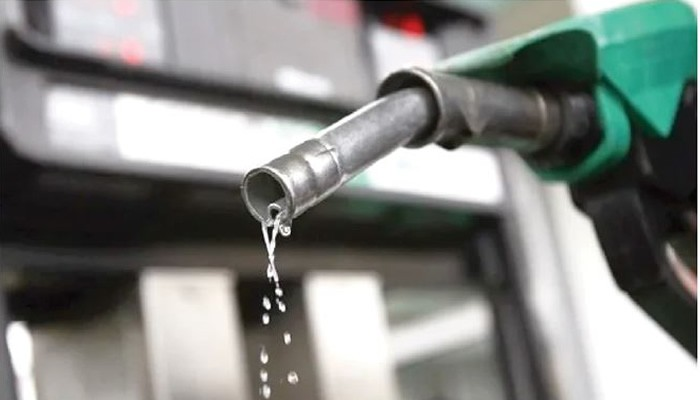
The situation, they said, has triggered higher transportation costs and worsened the daily hardship residents are experiencing.
The News Agency of Nigeria reports on Sunday in Abuja that many fuel stations perked up price of petrol which sold between N1,261 and N1,295. ON Sunday, Nigerian National Petroleum Company Limited is currently selling at N1,364 per litre, while MRS, BOVAS, AP, Ardova, and Mobil have adjusted their pump prices to between N1,364 and N1,370 per litre.
Investigations by NAN showed that the pump price of petrol has been increased several times this year, from around N900 per litre recorded in February.
Following the development, many commercial and private car owners have parked their vehicles, as they can no longer afford the cost of fueling them. Few commercial vehicles are currently operating.
Many commuters, including civil servants, were seen stranded during the week at various bus stops, as the few available commercial vehicles had increased transport fares.
Some motorists, who spoke to NAN, expressed sadness over the situation and called on the Federal Government to intervene in the unstable fuel price regime and its impact on citizens.
A commercial driver in Abuja, Mr. Adewale Bello, said the persistent hike in petrol prices had drastically reduced his daily earnings, forcing him to increase fares despite losing passengers.
He said many commuters now prefer to trek short distances or reduce travel frequency, leaving drivers stranded for hours, while the cost of vehicle maintenance and spare parts continues to rise sharply.
Bello described the situation as unpredictable, adding that constant fuel price fluctuations make it difficult for operators to plan, save, or even meet basic family responsibilities.
He said the cost of servicing vehicles had doubled in recent months, compelling some drivers to operate faulty vehicles or abandon the business entirely due to unsustainable operational expenses.
Similarly, a civil servant, Mrs. Bisi Emmanuel, said rising transport fares had significantly affected her monthly budget.
“I now spend almost double what I used to pay for transportation; it is affecting my ability to meet other basic needs.
“My salary cannot meet my monthly expenses. I have children to feed, school fees to pay, house rent to pay, medical bills, and I have aged parents to take care of. We need the government’s intervention urgently.
“Even with your money, there are no vehicles because taxi drivers are complaining that they are not making any profit.
“Now I go to work twice a week, and this is affecting my productivity,” she said.
Emmanuel said many private car owners now carry passengers to augment fuel costs, but that it was still not enough.
Another commercial bus driver, Mr. Sani Isa, urged the government to introduce targeted subsidies or palliative measures, adding that the ripple effects of transport fare increases were worsening food inflation nationwide.
Also Read: Motorists struggle with fluctuating fuel price
Isa said many drivers now work longer hours daily just to break even, adding that fatigue and stress were affecting their health and safety.
He said many of his colleagues had exited the business as rising fuel costs, platform charges, and declining patronage had made operations less profitable and increasingly risky.
A business owner at Utako Market, Uloma Ndubisi, said the increase in fuel prices was affecting her business.
“The increase in transportation will make foodstuff more expensive as everyone wants to sell and make profit.
“Traders now spend more on transportation, transferring the burden to consumers, thereby making essential goods increasingly unaffordable for low-income households already struggling to survive,” she said.
A logistics operator, Mr. Emeka Obi, called for investment in alternative energy and mass transit systems, noting that heavy dependence on petrol exposes motorists to continuous financial shocks.
He emphasized that introducing affordable public transportation and promoting Compressed Natural Gas, CNG, or electric vehicles would help stabilize the sector and reduce the burden on both operators and commuters.
An Uber driver, Osas Pascal, said he no longer drove because he was running at a loss.
“If I buy N50,000 fuel, I do not make up to N30,000, so how do I balance?
“I have bills to pay, family to feed. It is best to stay at home and pray things get better,” he said.
An economic analyst, Alhaji Shehu Liman, said the rising cost of fuel had a direct impact on inflation and the general cost of living.
He said that without targeted interventions, many households would continue to face economic strain.
“The government needs to prioritize policies that will ease the burden on citizens, especially in the areas of energy and transportation,” Liman said.
NAN reports that the increase in fuel prices in recent months has continued to generate widespread concern among Nigerians, as its effects cut across all sectors of the economy.
NAN