Hezbollah has rejected a renewed ceasefire agreement between Israel and Lebanon, describing the negotiations as “futile” and “humiliating” for the Lebanese.
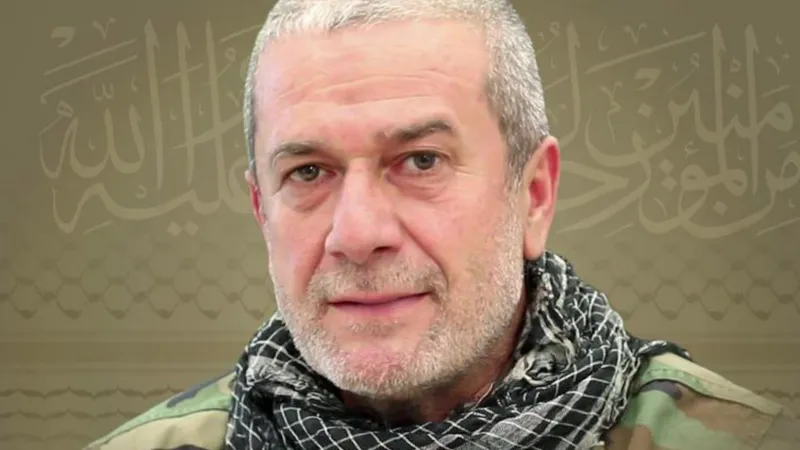
The group’s leader, Naim Qassem, said the proposed truce amounted to a surrender, insisting it had been categorically rejected by “broad segments of the Lebanese people.” Hezbollah was not directly involved in the talks that led to the agreement.
The deal, announced following a fourth round of US mediated negotiations in Washington, includes the creation of “pilot” security zones in southern Lebanon. Under the arrangement, Hezbollah fighters would be barred from these zones, while the Lebanese Armed Forces would assume exclusive control. The agreement also requires Hezbollah to halt attacks on Israel and withdraw its operatives from areas between the Israeli border and the Litani River.
Donald Trump said he had spoken with both Hezbollah representatives and Israeli Prime Minister Benjamin Netanyahu, expressing optimism about progress. “I think you’re going to see things happen over there,” he said, adding that peace in Lebanon would be “really nice” after years of conflict.
Also Read: Israel sustains strike on Lebanon, targets Hezbollah
However, Hezbollah dismissed the proposal outright. Qassem argued that halting fire and withdrawing fighters would serve Israel’s objectives and undermine Lebanon’s position. On the ground, skepticism echoed among residents in Beirut’s southern suburbs, a Hezbollah stronghold.
Local shopkeeper Sami, who has run his business for 25 years, questioned the fairness of the arrangement. “You cannot have a ceasefire from one side,” he said. “It’s going to be all sides or no ceasefire.” He described the deal as “not a peace agreement” but “a surrender agreement.”
Another resident, Hadi, expressed deep pessimism, saying generations of his family had seen little hope from political leaders. “This is not a new feeling,” he said.
Despite the ceasefire announcement, violence has continued. Lebanese media reported multiple Israeli airstrikes across southern Lebanon, with casualties recorded in towns including Sohmor and Maaroub. The Lebanese health ministry said at least eight people were killed and 15 injured in Thursday’s strikes.
The United Nations peacekeeping force in Lebanon, UNIFIL, also confirmed the death of a peacekeeper after mortar shells struck a position near Marjayoun. Israel accused Hezbollah of launching the attack, though the group has not commented.
Meanwhile, Israel reported the death of one of its soldiers during operations in southern Lebanon, as well as continued threats from aerial targets in the region. Hezbollah, for its part, said it had targeted Israeli troops and military vehicles using drones and rockets.
The conflict escalated in March when Hezbollah launched rockets into Israel following an Israeli strike linked to Iran. Israel responded with widespread airstrikes and a ground invasion in southern Lebanon. A previous ceasefire attempt in April failed to halt the fighting.
Lebanese President Joseph Aoun said the latest ceasefire could be implemented within 24 hours if all parties approve it. However, Israeli Defence Minister Israel Katz indicated military operations would continue for now to dismantle what he described as terrorist infrastructure.
The ongoing conflict has taken a heavy toll. Lebanon’s health ministry reports more than 3,500 deaths since the war began, while over one million people have been displaced. On the Israeli side, dozens of soldiers and civilians have also been killed.
While diplomatic efforts continue, Hezbollah’s rejection of the ceasefire highlights the significant challenges facing any lasting resolution to the conflict.
BBC