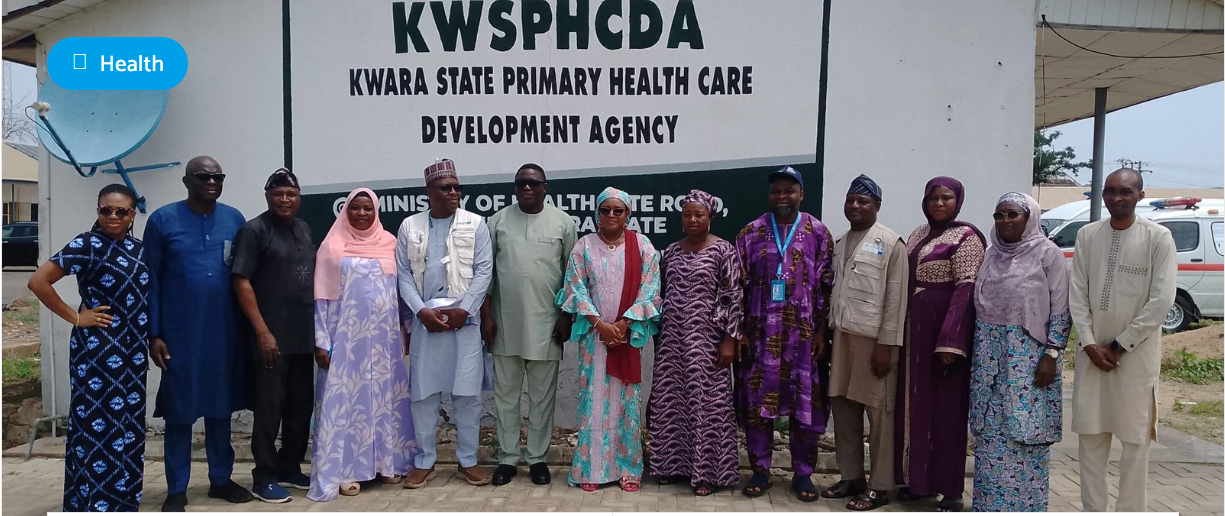
The Kwara State Government says more than 1.2 million children and pregnant women will be reached during the Maternal, Newborn and Child Health Week, MNCHW, scheduled to hold from June 8 to 12
The Executive Secretary of the Kwara State Primary Healthcare Development Agency, Prof. Nusirat Elelu, said during a news conference ahead of the exercise that the MNCHW is a lifesaving health intervention designed to reach communities, particularly those in remote and hard-to-reach areas across the state.
Elelu explained that the programme targeted 1 million children under five, 7,000 nine-year-old girls, and 200,000 pregnant women across the state’s 16 local government areas.
She said healthcare services would be delivered at Primary Health Centers, PHCs, temporary fixed posts in community compounds, schools, markets, palaces, and other public gathering places.
“For areas located more than 2km from a health facility, outreach posts will be set up to ensure adequate coverage and access to essential health services,” she said.
Also Read: Kwara Govt warns over fake health reports
Elelu added that services would also be extended to markets and schools, where health interventions would be administered to reach more beneficiaries across communities.
She listed the services to include immunization, deworming, nutritional screening, HPV vaccination for nine-year-old girls, free antenatal care and delivery services, HIV counselling, Vitamin A supplementation, and birth registration.
She emphasized that all services were free of charge, adding that the state government had released funds to support the exercise, demonstrating strong commitment and ownership.
Elelu appealed to families and caregivers to take advantage of the programme and ensured they access available routine health services during the intervention period.
She expressed optimism that the state would achieve about 80 per cent coverage during the MNCHW, given the level of preparedness and community mobilization efforts.
The executive secretary also commended UNICEF and other development partners for their technical and financial support in implementing life-saving health interventions across the state.
NAN