Iran has warned that it may adopt offensive military posture following the expiration of a 60-day memorandum of understanding, MoU, with the United States, as efforts to reach a lasting agreement remain deadlocked.
The Iran-US framework, signed in June, was designed to halt hostilities, ease the confrontation around the strategically important Strait of Hormuz and provide a 60-day window for negotiations on a permanent agreement. The deadline expired on Monday without a publicly confirmed final deal.
The expiration has heightened fears of renewed military escalation after weeks of stalled negotiations and accusations by both sides that the other had failed to honour commitments under the agreement.
A senior Islamic Revolutionary Guard Corps, IRGC, commander, Brigadier General Yadollah Javani, said Iran’s defensive posture was poised to shift towards an offensive one under what he described as a new “maximum deterrence” policy.
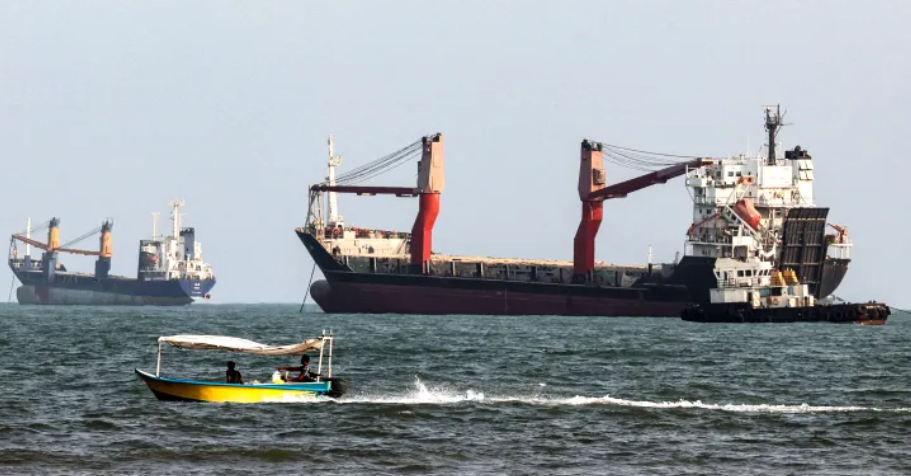
The warning comes as Tehran faces growing pressure over the continued closure and restrictions surrounding the Strait of Hormuz, one of the world’s most important routes for oil and other energy shipments.
Iran has maintained that the strait will not be fully reopened unless its demands are addressed, while Washington has rejected key Iranian conditions and continued to apply economic and military pressure.
The June MoU was intended to create a pathway towards a permanent end to the conflict, including negotiations over Iran’s nuclear programme and other security issues.
However, the diplomatic process has struggled to make progress. A senior Iranian official said last week that Tehran was not discussing an extension of the ceasefire and wanted Washington to return to the terms of the interim agreement.
Iran has accused the United States of violating the agreement by maintaining pressure and failing to fulfil commitments relating to sanctions, the blockade and Iranian assets.
Washington, meanwhile, has accused Tehran of failing to meet obligations linked to freedom of navigation and the reopening of the Strait of Hormuz.
Also Read: Iran demands US concessions to reopen Strait of Hormuz
There were also conflicting reports earlier this month about whether the 60-day framework would be extended. Pakistani sources told Anadolu on August 12 that both sides had agreed in principle to extend the deadline, although they had not agreed on the length of any extension. Subsequent reporting, however, indicated that no extension had been publicly confirmed and that the deadline had expired.
The Strait of Hormuz has remained one of the central issues in the confrontation. The waterway connects the Persian Gulf with the Gulf of Oman and is critical to international energy markets. Restrictions on shipping through the strait have already contributed to concerns over oil supplies, trade disruption and wider economic consequences.
The United States has demanded greater freedom of navigation, while Tehran has linked the reopening of the waterway to the lifting of pressure against Iran and other concessions.
Recent reports suggest that Iran has used the period since the June agreement to strengthen its military readiness rather than fully de-escalate.
The Wall Street Journal, citing Iranian and Arab officials, reported that Tehran’s leadership used the two-month period to prepare for a broader confrontation, including strengthening military command structures, increasing missile and drone production and expanding coordination with regional allies.
Those developments have raised concerns that the expiration of the MoU could mark a new phase of the conflict rather than the beginning of a permanent peace process.
The diplomatic deadlock is unfolding as Iran faces significant economic pressure. The prolonged confrontation and restrictions around the Strait of Hormuz have affected trade and energy flows, while inflation and rising living costs continue to put pressure on Iranian households.
The economic strain has increased the stakes for Tehran, which wants sanctions eased and access to frozen assets restored, while Washington continues to favour economic pressure as a means of forcing concessions.
Pakistan has played a central role in mediating between Washington and Tehran and remains involved in efforts to revive negotiations.
However, the lack of agreement on the key issues—including sanctions, the Strait of Hormuz, military activity and Iran’s nuclear programme—has made a breakthrough difficult.
For now, the expiration of the MoU leaves the two sides without a confirmed replacement framework, increasing uncertainty over whether diplomacy can be revived or whether the conflict will enter another period of military escalation.
With Tehran warning of a tougher military posture and Washington maintaining pressure, attention is now focused on the Strait of Hormuz, possible new sanctions and whether mediators can bring the United States and Iran back to negotiations before the confrontation escalates further.
Crediblenewsng.com