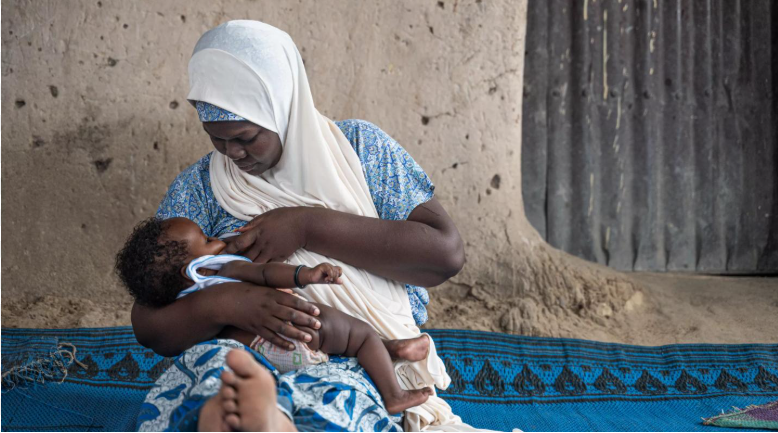
The University of Benin Teaching Hospital, UBTH, has called for sustained breastfeeding education and support to help mothers adopt and maintain proper breastfeeding practices.
Mrs. Grace Arheghan, Director of Nursing Services at UBTH, made the call in an interview with the News Agency of Nigeria on Wednesday in Benin, while reflecting on activities organized by the hospital as part of the 2026 World Breastfeeding Week, observed from August 1 to August 7.
She described the programme as successful, noting that it attracted strong participation and featured presentations by health professionals who provided mothers with useful information on breastfeeding.
According to her, the nursing units visited mothers at least weekly to teach them how to correctly position and attach their babies during breastfeeding.
She said the regular visits also provided opportunities for health workers to observe breastfeeding practices, offer guidance and correct any challenges experienced by mothers.
“The regular visits provided opportunities for health workers to guide mothers and correct observed breastfeeding practices,” she said.
Arheghan disclosed that the initiative had previously received support from UNICEF and urged relevant stakeholders to collaborate with UBTH to revive, sustain and strengthen the programme.
She recalled that previous programmes focused on mothers and babies within the breastfeeding age, particularly infants between zero and one year.
Also Read: LUTH advocates collective action to boost breastfeeding
She said practical demonstrations helped mothers understand proper breastfeeding techniques and encouraged them to continue providing adequate nourishment for their babies.
According to her, such demonstrations also reassured mothers about the importance of breastfeeding during the early stages of a child’s development.
The nursing director also addressed the belief that breastfeeding causes breasts to sag, describing the claim as misleading.
She explained that changes in breast size and firmness could occur naturally due to factors including pregnancy, ageing and hormonal changes.
Arheghan urged mothers not to allow concerns about their physical appearance to discourage them from breastfeeding and advised them to seek professional guidance when they have concerns.
She further emphasized the importance of family support, noting that encouragement from relatives and other members of the community could help mothers sustain breastfeeding successfully.
The nursing director expressed optimism that subsequent breastfeeding programmes would record greater participation and stronger support for mothers and their families.
It was reported that the 2026 World Breastfeeding Week was observed under the theme, “Breastfeeding for a Sustainable Start in Life: Strengthen What Works.”
The theme emphasized the need to sustain proven breastfeeding interventions while strengthening the support systems that enable mothers to initiate and continue breastfeeding successfully.
NAN