President Bola Tinubu has escalated Nigeria’s response to recurring xenophobic and Afrophobic attacks in South Africa, formally pressing the African Union to consider punitive continental action, including sanctions, against states that fail to protect foreign nationals on their soil.
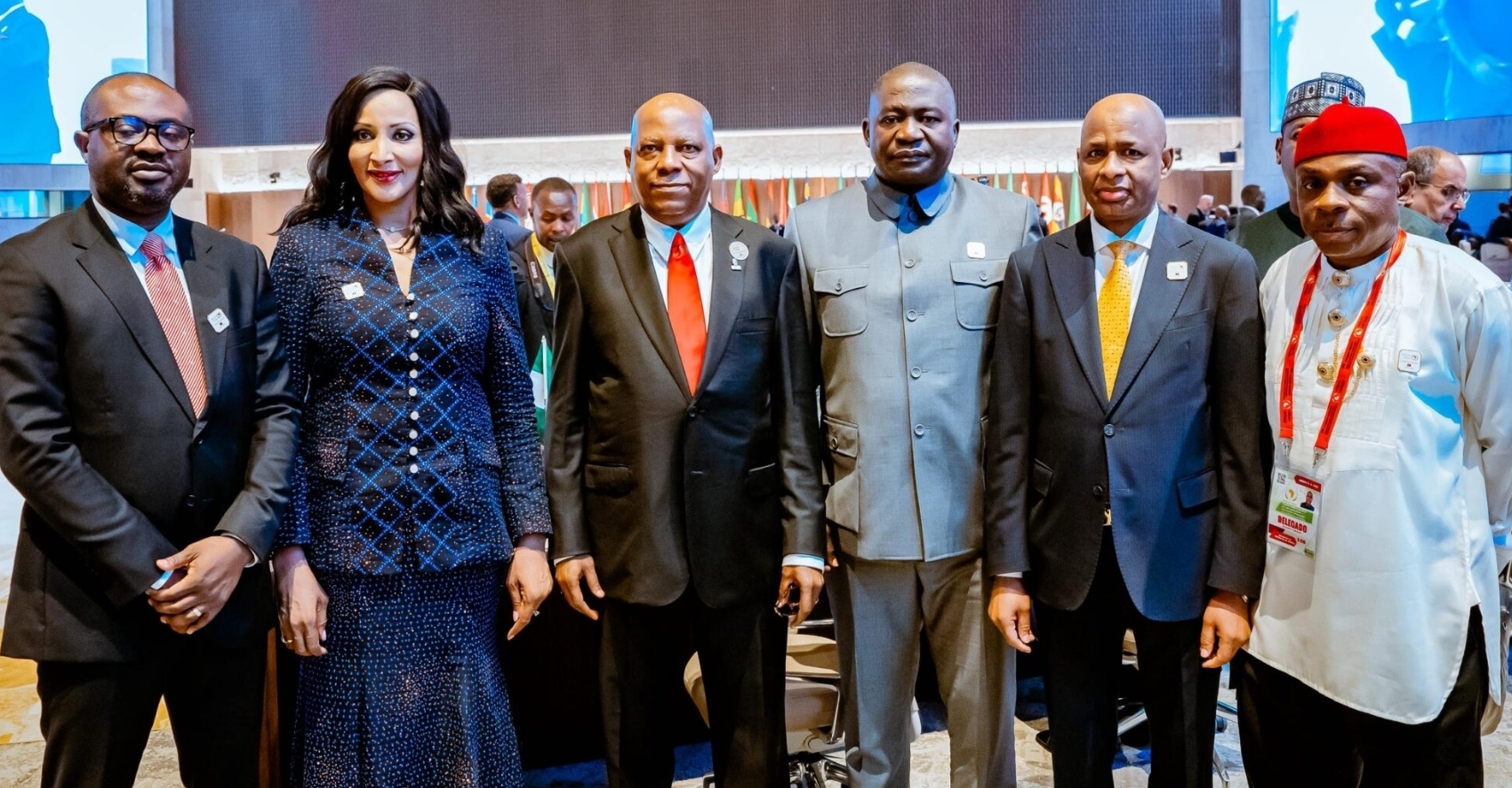
Speaking through Vice President Kashim Shettima on Sunday at the 21st Extraordinary Session of the AU Assembly in Luanda, Tinubu warned that the attacks strike at the heart of African solidarity, unity and peaceful coexistence — and demanded that they no longer be met with mere expressions of concern.
“Nigeria wishes to express its concern over the recurring xenophobic and Afrophobic attacks against Africans and other nationals in South Africa,” Tinubu said, before urging the Assembly to move beyond rhetoric toward binding accountability measures.
In what amounted to Abuja’s strongest continental push yet on the issue, the President requested that the matter be formally inscribed on the agenda of the AU’s 40th Ordinary Session, scheduled for January 2027, “for appropriate continental action” — language diplomatic observers read as opening the door to sanctions and other enforcement mechanisms against persistent violations.
“It is on this note that Nigeria calls on this august Assembly to place the matter on the agenda,” he said.
Tinubu was careful to acknowledge South Africa’s sovereign right to enforce its immigration laws and recognised Pretoria’s historic contributions to Africa’s development. But he insisted sovereignty cannot be a shield: African leaders, he said, must reaffirm their commitment to protecting the safety, dignity and fundamental rights of all African nationals — and face consequences when they fail to do so.
Also Read: Ghana suspends Ramaphosa visit over xenophobic attacks
He called for stronger continental mechanisms against xenophobia and Afrophobia anchored in dialogue, preventive diplomacy and collective action.
Broader security agenda
On wider continental security, Tinubu backed adoption of the Luanda Action Plan as a practical roadmap for strengthening conflict prevention, arguing that prevention remains “more cost-effective and sustainable than conflict management.”
He warned that fragmented peace initiatives and growing external interference — including foreign military forces, mercenaries and private defence contractors — risk weakening African ownership of peace and security.
“The growing reliance on external actors risks weakening African institutions and the principle of African ownership,” he said, while urging arms-exporting countries to ensure weapons from their jurisdictions do not reach terrorist groups and other non-state armed actors.
“Let us therefore renew our collective commitment to solidarity, cooperation, and shared responsibility as we build the Africa we want,” Tinubu said.
NAN