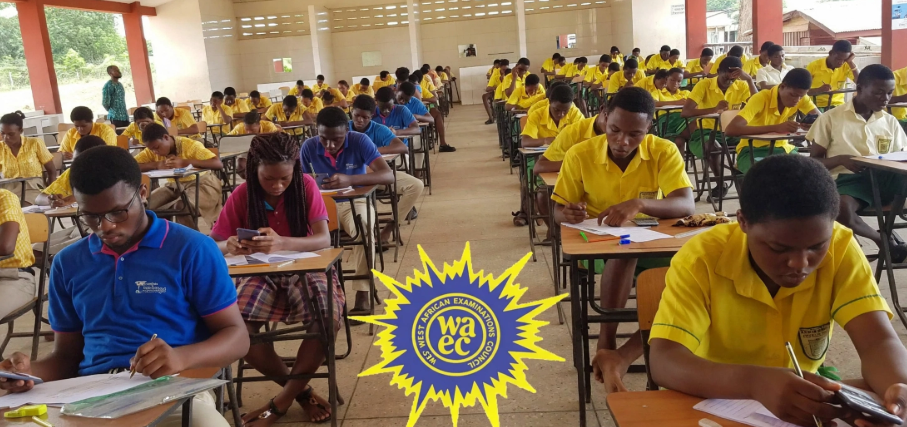
The West African Examinations Council, WAEC, has dismissed concerns that technical glitches affected the 2026 WASSCE results, insisting that the examination process was credible and properly conducted.
Dr Amos Dangut, Head of Nigeria National Office, HNO, of WAEC, said the council’s marking, processing and moderation procedures remained credible, urging schools, parents and other stakeholders with concerns to seek clarification directly from the examination body.
Dangut spoke during a virtual dialogue organized by the Education Writers Association of Nigeria, EWAN, with the theme, “Addressing Concerns Over 2026 WASSCE Results, Other Matters.”
He urged stakeholders to disregard unverified claims circulating on social media and contact WAEC for clarification on issues concerning candidates’ results.
According to him, WAEC introduced several innovations into the conduct of the examination, including computer-based assessment, as well as the randomization and serialization of questions, to strengthen the integrity of the examination.
Dangut said the adoption of technology-driven assessment had helped reduce examination malpractice while improving the credibility and transparency of the examination process.
“The reforms introduced by WAEC have strengthened the examination process, reduced opportunities for malpractice and enhanced the credibility, transparency and integrity of WASSCE results,” he said.
Also Read: WAEC reaffirms integrity of 2026 WASSCE results
The WAEC official disclosed that the rate of examination malpractice fell from 9.97 per cent in 2025 to 8.59 per cent in 2026.
He described the reduction as a positive outcome of the reforms introduced by the council to strengthen the credibility and integrity of the examination.
However, concerns over the 2026 WASSCE results have continued among some schools, parents and other education stakeholders.
The News Agency of Nigeria reports that some schools have questioned the low grades recorded by their students, particularly in English Language and Mathematics.
Some schools said the results appeared inconsistent with their students’ previous academic records, mock examination performances and achievements during their studies.
The concerns have largely focused on alleged technical glitches and possible irregularities in the processing of some candidates’ results.
At the virtual dialogue, the Principal of Babcock School, Remo, Ogun State, Mr. Fatola Samson, described the school’s 2026 WASSCE results as the worst in its 31-year history.
Samson said 190 students from the school sat for the examination, but only 27 obtained satisfactory results. He added that several candidates failed subjects including Mathematics, Physics and Chemistry.
The development has prompted calls from affected stakeholders for WAEC to review the results of candidates whose performances appear significantly different from their established academic records.
While WAEC has maintained that its examination and result-processing procedures are credible, the concerns raised by schools and parents have intensified calls for transparency and clarification.
Stakeholders are therefore urging the council to thoroughly examine complaints from affected candidates and schools and provide explanations where discrepancies are identified.
NAN