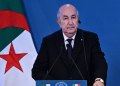
Algeria has severed diplomatic relations with the United Arab Emirates, UAE, accusing Abu Dhabi of continuing “provocative or hostile” actions despite repeated warnings and saying all efforts to preserve bilateral ties have been exhausted.
The Algerian Foreign Ministry said on Thursday that the decision followed what it described as conduct that had crossed the limits of what could be accepted between two sovereign states.
It did not identify specific incidents behind the rupture but said Algeria had exercised restraint and repeatedly warned the UAE about the consequences of its actions.
The UAE ambassador in Algiers was summoned to the foreign ministry and formally notified of the decision. He was given 48 hours to comply with the measure and leave Algerian territory.
The UAE subsequently said it hoped the decision would be temporary and reaffirmed the importance of maintaining what it described as strong ties between the people of the two countries.
The diplomatic rupture marks a sharp escalation in relations that have deteriorated over several years. Algeria has accused the UAE of interference in its domestic affairs and has expressed concern about Abu Dhabi’s growing regional influence, particularly in North Africa and the Sahel.
Algerian President Abdelmadjid Tebboune has repeatedly stressed opposition to foreign interference as a core principle of the country’s foreign policy.
Tebboune has also previously criticized an unnamed Gulf state for allegedly interfering in Algeria’s internal affairs and attempting to destabilize the country.
Also Read: Israel provokes rancour between Iran, UAE
Although he did not identify the state at the time, his remarks were widely interpreted as referring to the UAE. In subsequent comments, he became increasingly direct in his criticism of Abu Dhabi.
The dispute is also linked to wider geopolitical differences in North Africa. Algeria and Morocco have been locked in a longstanding rivalry centred largely on Western Sahara, with Algiers supporting the Polisario Front’s call for self-determination while Morocco claims sovereignty over the disputed territory. Algeria and Morocco severed diplomatic relations in 2021.
The UAE has maintained close strategic ties with Morocco and has backed Rabat’s position on Western Sahara. In November 2025, Abu Dhabi welcomed a UN Security Council resolution supporting negotiations based on Morocco’s autonomy proposal and reaffirmed its support for Morocco’s sovereignty and territorial integrity. The position contrasts sharply with Algeria’s longstanding support for Sahrawi self-determination.
The disagreement between Algiers and Abu Dhabi has also moved beyond political rhetoric. In February 2026, Algeria began procedures to terminate a bilateral air services agreement signed in Abu Dhabi in May 2013 and ratified by presidential decree in December 2014. Algeria did not publicly give a reason for the move at the time.
The UAE’s General Civil Aviation Authority said the agreement remained in force during the legally required notice period and that flights between the two countries would continue normally during that period.
The aviation dispute was an early concrete sign of the deterioration that has now culminated in the diplomatic break. The latest decision, however, represents a far broader rupture, ending formal diplomatic relations between the two countries after Algeria concluded that previous warnings and diplomatic efforts had failed.
The fallout could extend beyond diplomatic representation to aviation, trade and other areas of bilateral cooperation.
Reuters reported that Algeria will also close its airspace to UAE military and civilian aircraft from September 11, although commercial flights are expected to continue until the end of 2026.
The severing of ties adds another major fault line to an already fragmented North African and Sahelian geopolitical landscape, where Algeria, Morocco and Gulf states increasingly pursue competing strategic partnerships and regional interests.
Business Insider