The International Monetary Fund, IMF, has warned that a prolonged Middle East conflict could worsen economic pressures across the region, urging governments to control inflation and protect vulnerable households through targeted support.
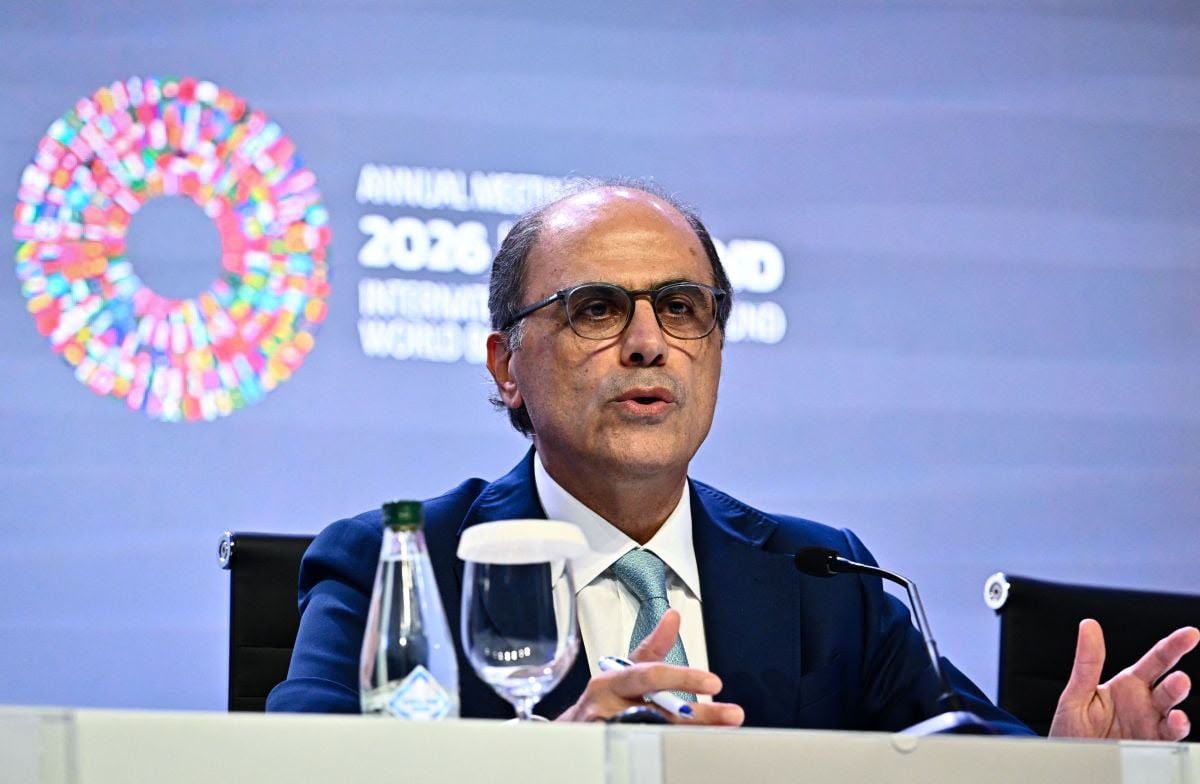
Jihad Azour, Director of the IMF’s Middle East and Central Asia Department, gave the warning at a news briefing in Bangkok on Thursday.
He said the conflict had delivered an uneven economic shock to countries across the Middle East, North Africa, Afghanistan and Pakistan, as well as the Caucasus and Central Asia, with economies directly exposed to the fighting facing the greatest strain.
Azour said output had fallen sharply among almost all directly affected exporting countries, while shipping disruptions had pushed fuel prices higher.
However, he said the overall impact had been more contained than initially expected, supported by pre-war surpluses, production from non-Gulf exporters, alternative transport routes, adjustments in demand and the use of existing inventories.
Economic activity in oil-importing economies across the Middle East, North Africa, Afghanistan and Pakistan remained relatively resilient in 2026, supported by remittances, tourism inflows, accommodative financial conditions and government assistance, he said.
Azour warned, however, that countries’ policy buffers were narrowing and inflation was projected to rise moderately in 2026 before gradually easing.
He said the outlook depended largely on how quickly energy production and trade returned to normal, as well as governments’ ability to maintain economic stability.
Describing the outlook as exceptionally uncertain, he identified a prolonged conflict as the most significant downside risk to regional economic prospects.
Azour outlined three key policy priorities, beginning with price stability and the preservation of fiscal sustainability.
He said monetary policy should remain the first line of defence against inflation, supported by prudent fiscal measures, particularly in countries with limited financial room to respond to shocks.
Also Read: US, Iran conflict slows down Sub-Saharan economy
He added that tighter monetary conditions and measures to restrain liquidity might become necessary where inflationary pressures emerge.
On public finances, Azour urged governments to rebuild financial buffers by increasing domestic revenue, improving public spending efficiency and strengthening fiscal frameworks.
He advised against broad-based subsidies, recommending temporary, targeted and budget-neutral cash transfers to help households most affected by the conflict.
Such support, he said, would protect vulnerable populations without adding excessive pressure to public finances.
Azour also called for stronger institutions and credible policy frameworks to help countries withstand future economic shocks.
He said economies with independent central banks, credible monetary frameworks and greater fiscal space were generally better positioned to absorb external pressures.
He further recommended diversifying trade, deepening regional integration and adopting emerging technologies, including artificial intelligence, to improve productivity and support long-term growth.
He said these measures should be accompanied by structural reforms to strengthen competitiveness.
Azour stressed that governments must balance immediate support for affected populations with policies that preserve economic stability and build resilience against future disruptions.
He said countries’ ability to manage inflation, rebuild fiscal buffers and implement credible reforms would be crucial to limiting the economic fallout, particularly if hostilities continued.
NAN