The Nigeria Medical Association, NMA, Kwara State chapter, has raised the alarm over illegal salary deductions, poor remuneration, and severe manpower shortages in public hospitals, warning that the situation is driving doctors into exhaustion and undermining healthcare delivery.
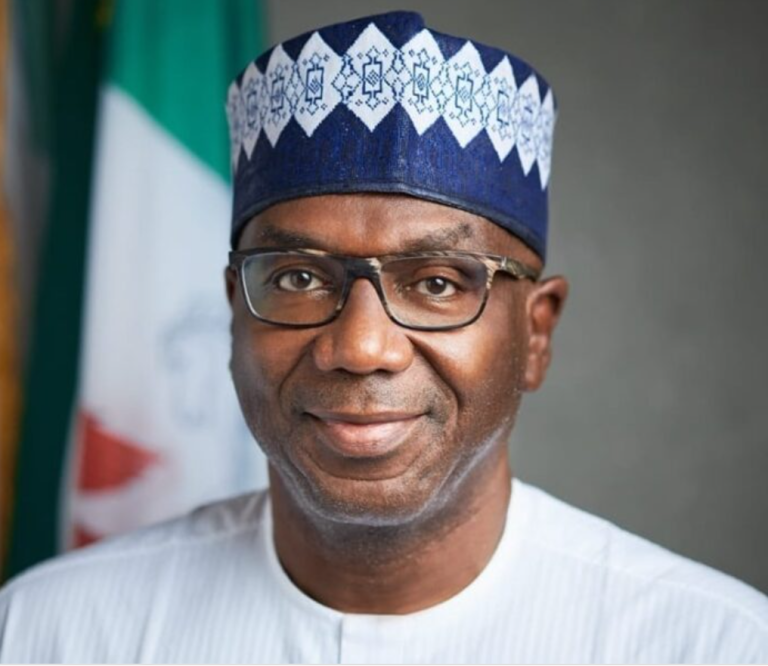
The state chairman, Dr. Suleiman Rotimi, lamented that despite their critical role, doctors in Kwara remain among the lowest paid nationwide disclosing at a press conference at Ilorin, some practitioners face monthly deductions ranging between ₦30,000 and ₦50,000, in addition to outstanding allowances, leaving them “underpaid, overworked, and over-deducted.”
Rotimi expressed concern over staffing gaps in general hospitals, where the few available doctors are compelled to work extended hours to meet patient needs.
He warned that the combination of inadequate staffing, poor welfare, and excessive workloads is worsening fatigue and burnout among medical practitioners, with serious consequences for healthcare delivery.
Highlighting the scale of the crisis, he noted that Nigeria’s doctor-to-patient ratio is about 1:9,000, far below the World Health Organisation’s recommendation of 1:600, with the situation particularly troubling in parts of Kwara.
Against this backdrop, the association urged the state government to urgently address remuneration, allowances, alleged unauthorised deductions, and poor working conditions to prevent further deterioration of public health services.
Also Read: NMA slams ruling on medical oversight by FCCPC
On the ongoing industrial dispute involving doctors in Kwara, Rotimi said the association has engaged with government and stakeholders but remains open to dialogue.
“When two elephants fight, it is the grass that suffers. The patients are the ones suffering from this,” he warned, stressing that the consequences extend beyond medical practitioners to the patients who depend on public hospitals.
Beyond salary and staffing concerns, Rotimi called for stronger mental health support for doctors, confidential medical services, and safer workplaces to protect healthcare professionals from violence and discrimination.
He also urged greater adoption of technology including telemedicine, artificial intelligence, and robotics to expand access to specialist care in underserved communities, noting that innovation should complement rather than replace medical expertise.
The association further pressed for investment in training, research opportunities, and hospital infrastructure, alongside better remuneration and improved working conditions, as part of efforts to curb the migration of Nigerian doctors abroad.
Rotimi concluded by calling for collective action from government and stakeholders to build a healthcare system where doctors can work under safe, dignified conditions while patients receive quality care.
THE PUNCH