The United States and Israel have developed plans for renewed military strikes against Iran after the November 3 US midterm elections, with preparations reportedly intensifying for a short but intensive campaign.
The New York Times reported on Wednesday, citing US officials and others briefed on the plans, that both countries had stepped up military exercises, including flights over neighbouring Iraq to rehearse strike manoeuvres.
Potential targets include Iranian energy infrastructure, nuclear facilities and arsenals of missiles and drones. Officials cited by the newspaper said another major wave of attacks could inflict severe economic damage on Iran and pressure Tehran into making concessions in negotiations.
However, the timing and likelihood of any new offensive remain uncertain, as US President Donald Trump has repeatedly reconsidered plans to resume major military operations.
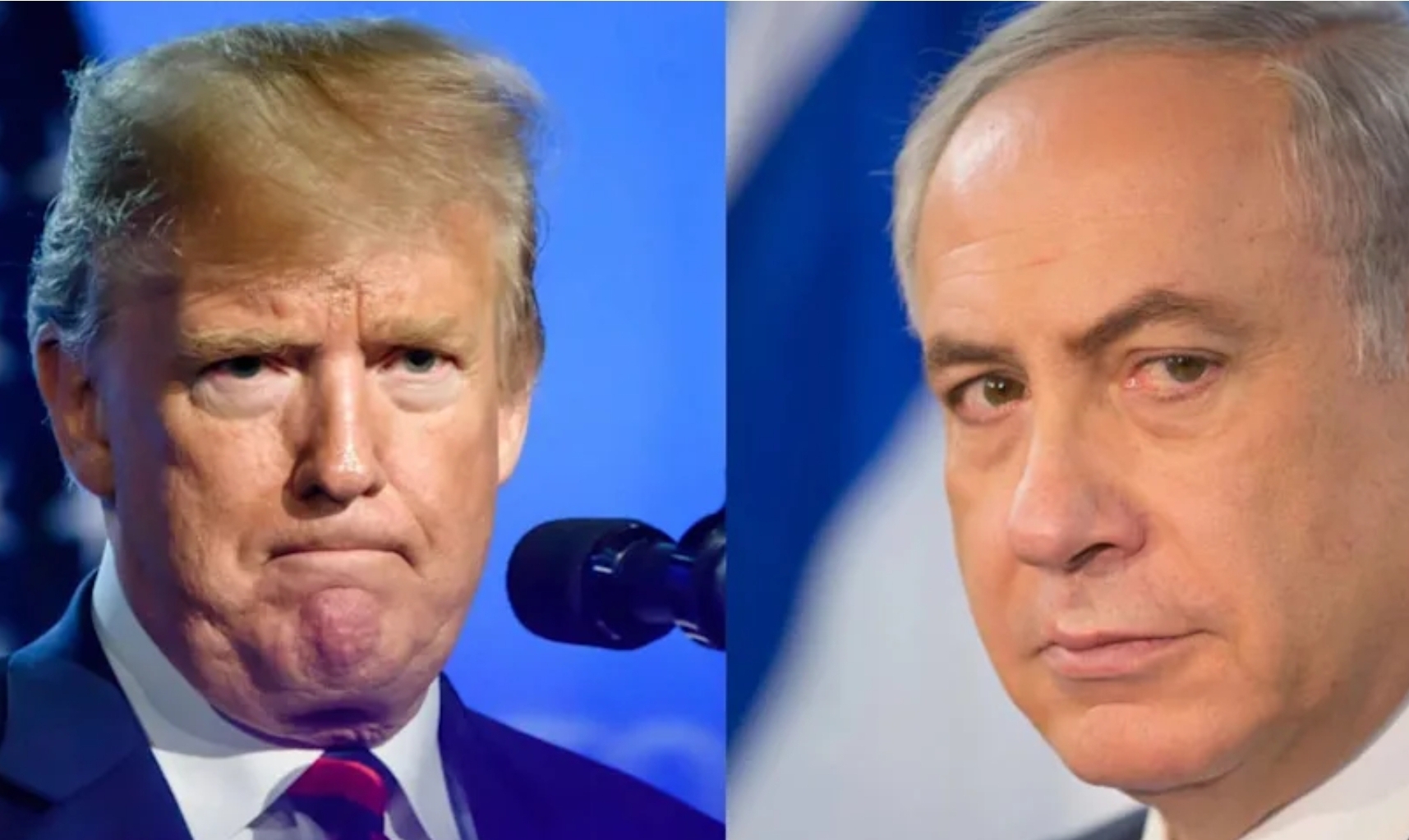
Israeli Prime Minister Benjamin Netanyahu on Thursday dismissed reports that he had pushed for renewed strikes but was being restrained by Trump, describing the claims as “incorrect”. He declined to disclose details of his recent conversations with the US president about Iran.
Some officials told the Times that any operation approved by Trump could avoid Iranian oil infrastructure to limit further increases in fuel prices. The report also identified the deeply buried Pickaxe Mountain nuclear site as a possible target.
Although military planners are preparing for potential action, the newspaper reported that Trump could still decide against authorising a new offensive. One source described the uncertainty surrounding his decisions as causing “day-to-day whiplash” among military planners.
The United States is also building up its military assets in the region, with preparations expected to be completed in early November. The prospect of renewed attacks is being used as leverage in negotiations over Iran’s nuclear programme and control of the Strait of Hormuz.
US Defence Secretary Pete Hegseth reportedly visited Israel earlier this week and met with Netanyahu to discuss regional threats.
Netanyahu’s political future could also affect the timing of any operation. Israel is scheduled to hold an election on October 27, and experts cited in the report said a defeat could complicate his ability to order military action as a caretaker prime minister.
Also Read: Trump endorses Netanyahu nine days before Israeli election
However, the prospect of renewed strikes could also provide Netanyahu with an opportunity to draw opposition parties into a unity government, as happened after the Hamas-led attacks on southern Israel on 7th of October 2023.
A White House official declined to comment directly on the reported plans, telling the Times that all options remained available to prevent Iran from acquiring nuclear weapons.
Iranian officials have threatened to broaden their retaliation if attacked, potentially extending their targets beyond commercial shipping and energy infrastructure to data centres and undersea internet cables.
On October 9, Trump said the United States would not attack Iran before the midterm elections, citing ongoing discussions between Washington and Tehran. However, reports have continued to emerge about preparations for a possible resumption of military operations.
The conflict began on February 28, when the United States and Israel launched a military campaign against Iran. Israeli officials said the operation aimed to weaken Iran’s military capabilities, address concerns over its nuclear and ballistic missile programmes, and create conditions for political change in the country.
Iran retaliated with missile attacks against Israel and other US allies in the Middle East and moved to restrict shipping through the Strait of Hormuz, a critical route for global oil supplies. The United States subsequently imposed a blockade on Iranian ports and said it was helping ships navigate the strait despite Iranian attacks on vessels.
Efforts to negotiate an end to the conflict have largely stalled, with the future of Iran’s nuclear programme remaining a central point of disagreement.
Iran maintains that its nuclear programme is peaceful, while the United States argues that Tehran must abandon its nuclear ambitions. Washington has also demanded a substantial reduction in Iran’s uranium enrichment capacity.
US Vice President JD Vance said earlier this month that Iran must make a “meaningful” reduction in its enrichment capacity to meet American demands. Tehran has so far rejected those demands, leaving diplomatic efforts at an impasse.
The Times of Israel