The World Health Organization, WHO, and the Uppsala Monitoring Centre, UMC, has launched the global MedSafetyWeek campaign, aimed at improving medicine safety by encouraging the timely reporting of suspected side effects and adverse drug reactions worldwide.
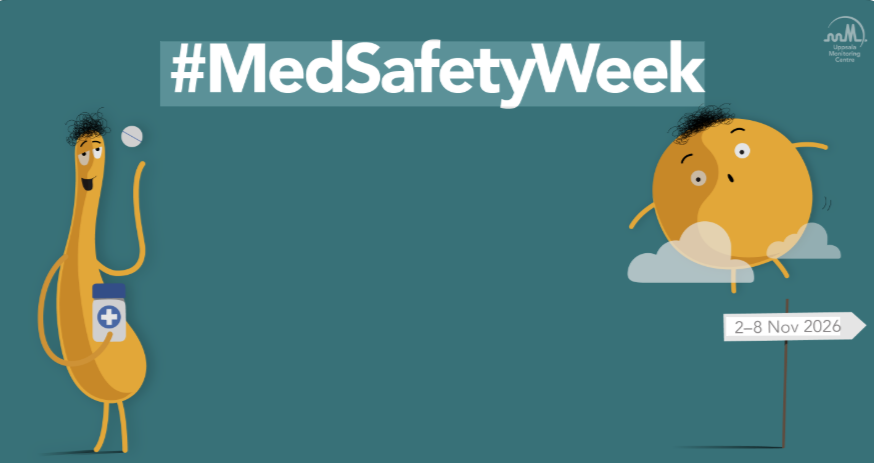
The week-long #MedSafetyWeek campaign, which runs from 2 to 8 November 2026, is spearheaded by UMC, the WHO Collaborating Centre for International Drug Monitoring, to raise awareness about the importance of reporting suspected side effects of medicines.
The campaign themed “Side effects – don’t ignore them, report them.”, seeks to raise awareness about the importance of reporting suspected side effects and encourage healthcare professionals to promptly report adverse reactions through national reporting systems, even when they are uncertain whether a medicine caused them.
WHO said while medicines undergo extensive testing and evaluation before they are approved for use, some side effects may only become apparent after a medicine has been used by larger populations over a longer period.
“Every report matters,” the organization said, noting that information provided by patients and healthcare workers can help regulators and safety experts identify previously unknown risks, improve understanding of medicine-related harms and take measures to safeguard patients.
WHO explained that side effects can range from mild symptoms such as skin rashes and stomach upset to changes in mood, sleep patterns or other unexpected health conditions.
These reactions may occur shortly after starting treatment, following prolonged use, after a dosage change or when multiple medicines are taken together.
Also Read: WHO warns of rising diabetes burden in Africa
The agency emphasized that continuous monitoring of medicines throughout their life cycle is essential because clinical trials cannot always detect every possible adverse effect before a product reaches the market.
“This #MedSafetyWeek, help spread the message: Don’t ignore side effects. Report them. Together, we can make medicines safer for everyone” WHO said.
According to UMC, wider reporting of suspected side effects can strengthen pharmacovigilance systems by helping regulators identify potential safety signals at an earlier stage and make more informed decisions on the use of medicines.
These reports, when combined with thousands of others from around the world, contribute to a growing body of evidence that can reveal rare, delayed or previously unknown adverse reactions.
Beyond encouraging the reporting of adverse reactions, the #MedSafetyWeek campaign seeks to foster a culture in which patients, caregivers and healthcare professionals play an active role in monitoring the safety of medicines.
WHO and UMC noted that prompt reporting can support the early detection of medicine-related risks, improve understanding of the benefits and risks of treatments, and inform regulatory actions aimed at safeguarding public health.
Crediblenewsng.com