The Nigerian Orthopaedic Association, NOA, has called for urgent reforms to improve trauma care and expand access to orthopaedic services amid a severe shortage of specialists across the country.
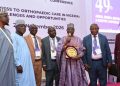
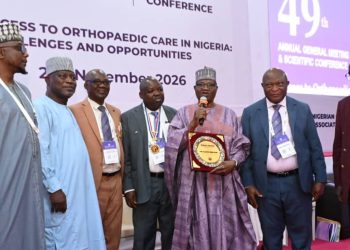
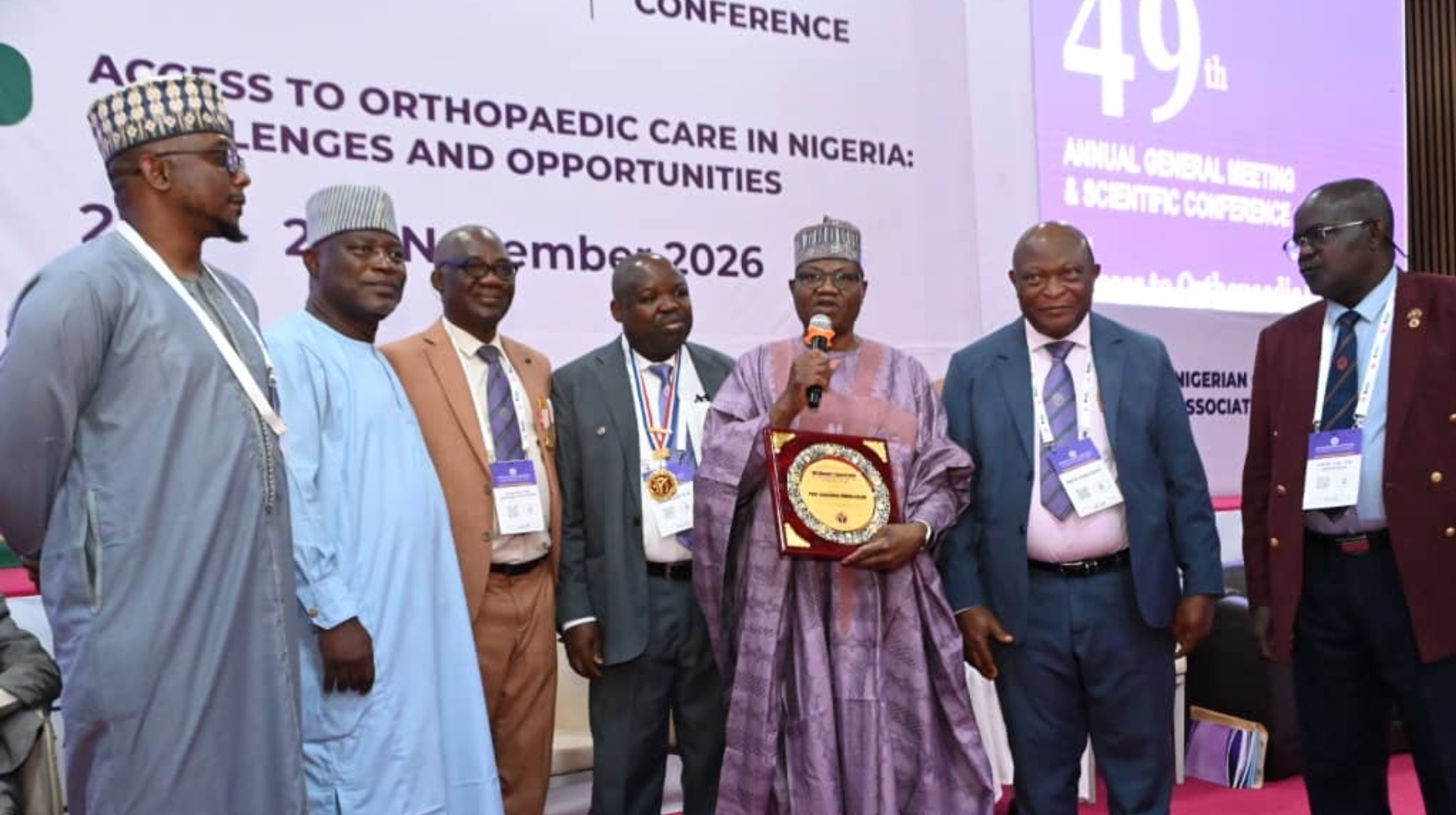
The association made call at its 49th Annual General Meeting and Scientific Conference, held on Thursday in Abuja and themed “Access to Orthopaedic Care in Nigeria: Challenges and Opportunities”.
Delivering the keynote address, former Minister of Health, Prof. Onyebuchi Chukwu, said Nigeria had only one orthopaedic surgeon serving more than 400,000 patients, with most specialists concentrated in urban areas.
He identified shortages of medical personnel, the migration of surgeons abroad, poor infrastructure, high treatment costs, inadequate ambulance services and reliance on traditional bone setters as major obstacles to quality care.
Chukwu also noted that the absence of a comprehensive national directory of orthopaedic surgeons and healthcare facilities limited patients’ access to timely specialised treatment.
“The socioeconomic cost of lack of access to orthopaedic care is high. The barriers are not insurmountable,” he said.
He urged governments to expand specialist training, introduce incentives to retain surgeons and adopt task-sharing arrangements involving medical officers, nurses and community health workers.
Chukwu also called for structured collaboration with traditional bone setters to improve referrals and reduce complications associated with poorly managed fractures. He said efforts to improve access should focus on the four As: availability, affordability, acceptability and accessibility.
Also Read: Outreach by NOA offers hope to orthopaedic patients
Borno State Governor, Prof. Babagana Zulum, represented by the Commissioner for Health, Prof. Baba Mallam-Gana, described orthopaedic surgeons as frontline responders to victims of insurgency and road crashes.
“For 16 years, Borno has been the orthopaedic capital of Nigeria, not by choice but by tragedy. Our bones have borne the burden of insecurity,” he said.
Zulum said Nigeria had fewer than 400 orthopaedic surgeons serving a population of about 230 million, while many specialists continued to migrate abroad.
He said Borno was addressing the challenge through the establishment of a 400-bed orthopaedic hospital, expansion of specialist training and improvement of trauma care infrastructure across the state.
The governor also advocated collaboration with traditional bone setters, noting that about 60 per cent of fracture patients initially sought treatment from them.
The President of NOA, Prof. Elkanah Ayodele, said the conference aimed to develop practical solutions to bridge the gap between the availability and accessibility of orthopaedic services.
“Our dream is to have a Nigeria where orthopaedic services are available, accessible and utilised by everyone who needs them,” he said.
The Chairman of the Local Organising Committee, Dr Kennedy Aker, said discussions would also examine the use of artificial intelligence, robotics and collaborative practice models to strengthen orthopaedic healthcare delivery.
He said Nigeria must embrace innovation while expanding training capacity and partnerships to improve patient outcomes and respond to growing trauma care demands.
Dr Umar Abubakar-Apeshi, the Osoho of Olosoho, Agwatashi Chiefdom, Obi Local Government Area of Nasarawa State, described the conference as a platform for knowledge exchange, professional interaction and research presentations.
He said the event would also encourage the development of new ideas to improve orthopaedic healthcare delivery in Nigeria.
NAN