By Aisha Ogrima
A five-year-old boy falls from a tree and hurts his elbow. The nearest orthopaedic surgeon is reportedly between 60 and 100 kilometres away, so his family takes him to a traditional bone setter. The injury worsens, gangrene sets in, and the arm is amputated above the elbow.
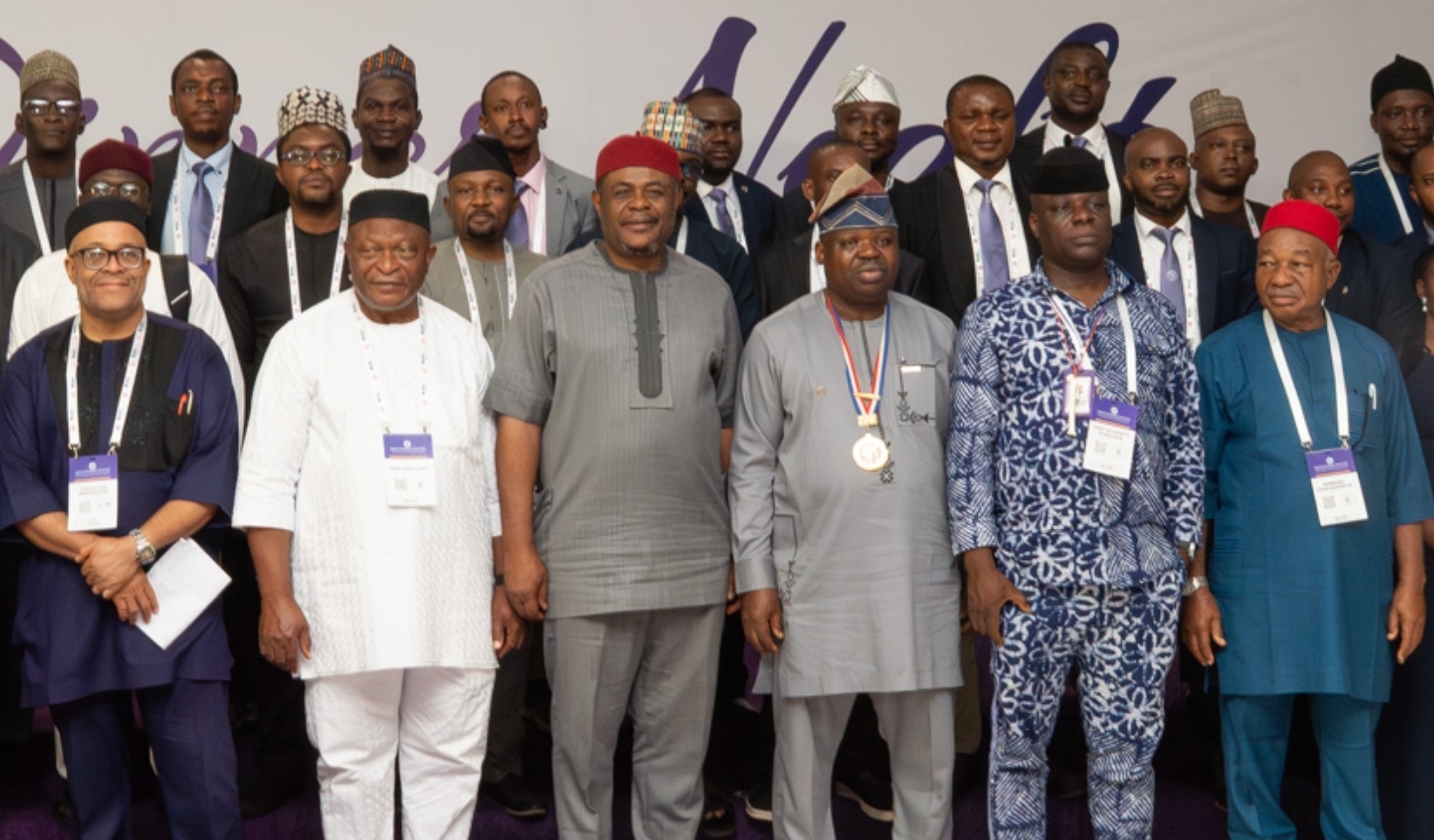
It was a story told by former Minister of Health, Professor Onyebuchi Chukwu, to explain what is at stake when specialist care is out of reach. It also sits at the heart of the Nigerian Orthopaedic Association, NOA, 49th Annual General Meeting and Scientific Conference, held at the Nigerian Army Conference Centre and Suites, Asokoro, from November 23 to 28, under the theme “Access to Orthopaedic Care in Nigeria: Challenges and Opportunities.”
A scarce and unevenly spread workforce
The numbers presented at the conference paint a sobering picture. Delivering the keynote address, Chukwu said Nigeria has roughly 600 active orthopaedic surgeons, while the country’s two major postgraduate medical colleges produce about 30 new fellows a year. He warned that this falls far short of the needs of a growing population, especially as some newly trained specialists leave soon after qualifying.
Other figures cited during the week were starker still. One account of the keynote put the ratio at a single orthopaedic surgeon for more than 400,000 patients, and another speaker said the country had fewer than 400 surgeons for about 230 million people. Whatever the precise count, the message from the podium was consistent: there are too few specialists, and most of them are concentrated in major cities.
“The socioeconomic cost of lack of access to orthopaedic care is high. The barriers are not insurmountable,” Chukwu said.
He listed the obstacles plainly: workforce shortages, poor distribution of specialists, inadequate facilities, the high cost of treatment, a lack of ambulance services and heavy reliance on traditional bone setters. He added that the absence of a national directory of orthopaedic surgeons and facilities leaves patients unsure where to turn.
Borno’s burden, and a N50 million gift
No delegation brought a more personal perspective than Borno State. Speaking on behalf of Governor Babagana Zulum, the state’s Commissioner for Health, Baba Mallam Gana, announced a N50 million donation to the association, saying it reflected the government’s commitment to supporting healthcare development and professional medical bodies.
He described orthopaedic surgeons as frontline responders to victims of insurgency and road crashes. “For 16 years, Borno has been the orthopaedic capital of Nigeria, not by choice but by tragedy. Our bones have borne the burden of insecurity,” he said.
Also Read:Orthopaedic association offers free knee replacement in Abuja
The cost has been heavy. More than 35 per cent of the state’s health institutions were lost during the insurgency, he said, and over 48 clinicians were killed. Yet the state is rebuilding, with a 400-bed orthopaedic hospital in Maiduguri said to be nearing commissioning and the recently opened 400-bed Kashim Ibrahim University Teaching Hospital expanding specialist care and training.
Gana also raised alarm over the migration of Nigerian orthopaedic surgeons and other health workers to countries such as the United Kingdom and Canada. He blamed inadequate equipment and difficult working conditions, and urged the creation of an environment that would persuade trained specialists to stay. The governor, he added, favours collaboration with traditional bone setters, noting that about 60 per cent of fracture patients first seek treatment from them.
Ideas on the table
Chukwu’s prescription was wide-ranging. He called for more investment in specialist training, better pay and improved working conditions to retain doctors and lure those abroad back home, along with more medical schools and residency places.
At the primary care level, he urged greater use of task-sharing and task-shifting, with medical officers, nurses and community health workers trained to handle appropriate basic orthopaedic and trauma cases. Medical students, he argued, need more exposure to orthopaedics, given the volume of trauma they meet during internship and National Youth Service.
Telemedicine, digital consultations and the sharing of X-ray images among clinicians, he said, could stretch scarce expertise to places where no surgeon is available. He also cautioned against putting too much emphasis on advanced procedures such as robotic surgery while many Nigerians still cannot get basic care.
On traditional bone setters, Chukwu favoured structured, regulated collaboration with clearly defined roles, improving referrals and reducing complications while preventing unqualified practitioners from passing themselves off as licensed professionals. Any effort to widen access, he said, must address the “four As”: availability, affordability, acceptability and accessibility.
The Royal Father of the Day, HRH Dr Umar Abubakar Apeshi, the Osoho of Olosoho Agwatashi Chiefdom in Nasarawa State, offered a grassroots view. He pointed to better healthcare delivery in his area through more medical personnel and new health centres across the three senatorial zones, and credited health insurance schemes and free outreaches with easing the financial burden on vulnerable people. He observed that engaging some bone setters at health centres had helped cut complications.
Professor Mike Ogirima, chairman at the occasion, urged younger doctors to stay committed to orthopaedic surgery, saying Nigerian surgeons can perform procedures available anywhere in the world. He acknowledged the role of the country’s three national orthopaedic hospitals in Lagos, Kano and Enugu.
Surgery for those who cannot pay
Beyond the speeches, the association took its message to the hospitals. A free orthopaedic and trauma outreach ran across five facilities in the Federal Capital Territory: Wuse District Hospital, Garki Hospital, the Federal Medical Centre, Abuja, Cedarcrest Hospital and Alliance Hospital.
At least 100 people with mobility challenges received care at Wuse District Hospital on the first day alone. The NOA provided the surgeons, along with some consumables and medicines, while the hospitals provided theatres, staff, laboratories, imaging and beds. The initiative aimed to ease the burden on patients, particularly those needing knee replacement, which routinely costs millions of naira.
NOA Vice President, Dr Christian Madubueze said the association had held a similar outreach in the FCT during its 2023 meeting. Hospitals were chosen deliberately, he explained, because joint replacement needs standard operating theatres. “It is actually not possible for us to be doing this in the villages unless we are going to set up a makeshift hospital there, which will dramatically increase the cost,” he said.
The FCT administration backed the approach. Dr Osayande Osagie, Director of Clinical Services, representing the Mandate Secretary for Health Services and Environment, Dr Adedolapo Fasawe, said orthopaedic care is expensive in Abuja and thanked the association. She stressed that such outreaches should take place where resident surgeons can provide post-operative care after the visitors leave.
Dr Kenneth Ityo, Chairman of the Local Organising Committee, said many patients had lived for years with deformities, neglected injuries and disabling joint disease because they could not afford treatment. “For them, this outreach is not charity. It is a chance to walk again, work again and live with dignity,” he said.
Among those who came was Miss Vanessa Adamu, born with bowlegs, who feels pain when standing or walking for long and learnt of the outreach on TikTok. Mrs Abdusalam brought her toddler daughter, who has bowlegs that affect her walking. Mr Godswill James, who has knee bursitis from football injuries, heard of it from a friend.
What comes next
The NOA, which has about 600 members, is the umbrella body for orthopaedic surgeons in Nigeria and hosts the country’s largest annual gathering of orthopaedic and trauma specialists. This year’s programme includes pre-conference courses on complex primary and revision knee arthroplasty, including unicondylar knee replacement, and knee arthroscopy, featuring dry laboratory and artificial joint training. The main scientific sessions and a two-day trade exhibition follow on Thursday and Friday.
Delegates also examined artificial intelligence, robotics and the future of group practice in private orthopaedic care. Organisers say Nigeria must embrace innovation while expanding training capacity and partnerships.
The association’s leadership summed up its ambition: “Our dream is to have a Nigeria where orthopaedic services are available, accessible and utilised by everyone who needs them.”
For the child with the amputated arm, and for the many patients still far from a surgeon, the conference’s success will be measured less by its resolutions than by whether specialist care finally reaches them.