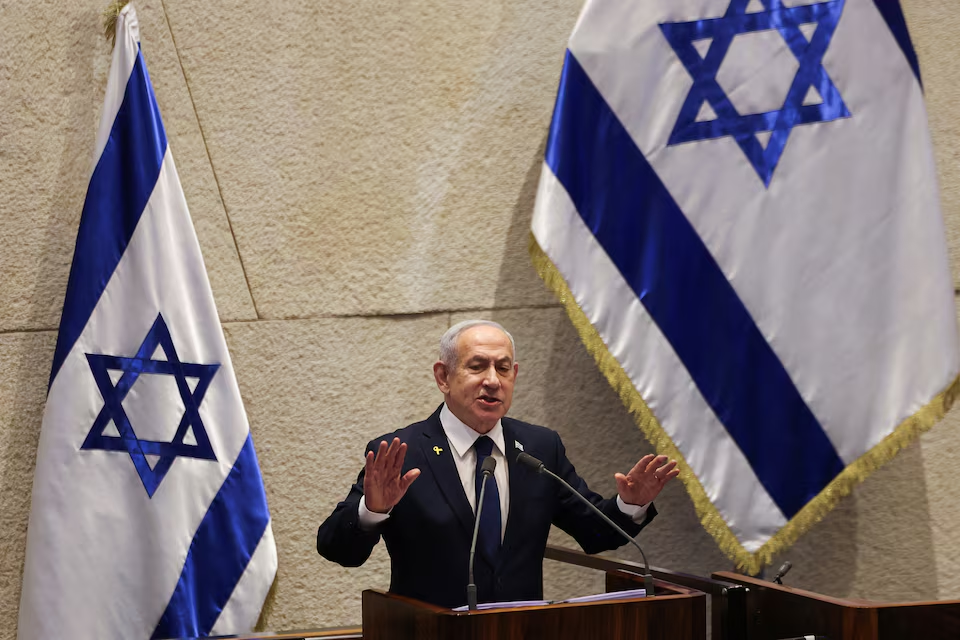
Israeli Prime Minister Benjamin Netanyahu on Sunday requested a presidential pardon in his years-long corruption case, arguing that the ongoing trial was obstructing his ability to govern during a period of national strain.
Netanyahu, Israel’s longest-serving prime minister, denies all charges of bribery, fraud and breach of trust.
His legal team, in a letter to President Isaac Herzog, insisted he still expects full acquittal but said the country’s stability and public unity require the president’s intervention.
In a short video released by the ruling Likud party, Netanyahu said the pardon bid was in Israel’s best interest. He added that the demands of the trial, including testifying multiple times weekly, were incompatible with the responsibilities of a sitting prime minister.
President Herzog’s office described the request as “extraordinary” with “significant implications,” adding that it would undergo the standard process: review by the Justice Ministry’s pardons department, assessment by the president’s legal adviser, and a final recommendation to the president.
Opposition leader Yair Lapid said Netanyahu should not receive a pardon without admitting guilt, expressing remorse and stepping back from political life.
Former military deputy chief Yair Golan urged Herzog to reject the request entirely, insisting the prime minister resign instead.
Traditionally, pardons in Israel are granted only after legal proceedings conclude. Netanyahu’s lawyers argued that the president can intervene earlier if national interest requires it, saying the prime minister’s trial has deepened social divides.
READ ALSO: Israeli opposition slams Netanyahu over U.S.-Saudi F-35 deal
Coalition allies, including National Security Minister Itamar Ben-Gvir and Finance Minister Bezalel Smotrich, expressed support for Netanyahu’s request, framing it as a step toward national healing.
Earlier this month, U.S. President Donald Trump wrote to Herzog urging him to consider granting the pardon, calling the case a politically motivated prosecution.
Netanyahu was indicted in 2019 in three related cases involving allegations that he granted regulatory or financial favours to prominent business figures in exchange for luxury gifts and favourable media coverage. He has consistently denied any wrongdoing.
The corruption charges have shadowed much of his political career, even as he continues to win elections and project an image focused on security and economic policy.
Netanyahu was at the helm on October 7, 2023, when Hamas launched a large-scale attack on Israel—an assault widely described as the deadliest against Jews since the Holocaust.
In the aftermath, he led the war in Gaza, a campaign that devastated the enclave, killed tens of thousands of Palestinians and drew worldwide criticism.
In recent months, Israel has also struck Iranian military infrastructure and weakened Hezbollah’s capabilities, highlighting the scale of security challenges confronting Netanyahu’s government.
The next national election is scheduled for October 2026, though many polls suggest his coalition—considered Israel’s most right-wing—may struggle to secure enough seats to form another government.
Reuters.com