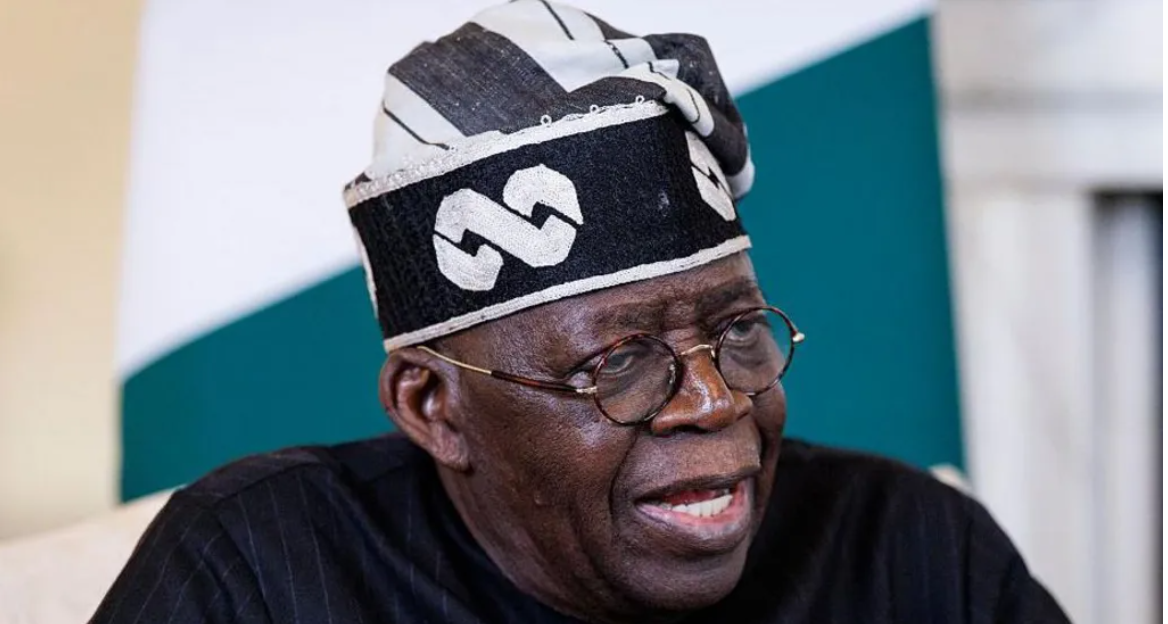
A sworn declaration filed by the Federal Bureau of Investigation, FBI, in a US federal court has reaffirmed that Nigerian President Bola Ahmed Tinubu was identified as a subject of a criminal investigation involving the FBI and the US Drug Enforcement Administration, DEA, in the early 1990s.
The declaration was filed on August 28 at the US District Court for the District of Columbia in a Freedom of Information Act, FOIA, lawsuit seeking the release of law enforcement records relating to Tinubu.
According to Anadolu Agency, which reported the development, excerpts from the declaration were published by Von Batten-Montague-York, a Washington-based lobbying firm retained by former Vice President Atiku Abubakar.
The published excerpts indicate that the FBI said the records sought in the case were compiled during investigations involving several individuals suspected of offences connected to drug trafficking.
The lobbying firm said it had received a large number of documents from the FBI and was reviewing the material, including redacting portions that could not be publicly disclosed, before releasing the records.
The latest development follows a ruling in April 2025 by US District Judge Beryl Howell, who determined that earlier public filings by the US Justice Department had already officially acknowledged Tinubu as a subject of a criminal investigation involving multiple US law enforcement agencies, including the FBI and DEA.
Howell subsequently ordered the FBI and DEA to search for and process records that were not exempt from disclosure under the FOIA.
The case was brought by Aaron Greenspan, who requested FBI records relating to Tinubu. His request included what he described as Tinubu’s complete FBI file, as well as interview records from 1992 and 1993.
The records are linked to a broader investigation into a Chicago-based operation involving allegations of heroin trafficking and money laundering in the early 1990s.
Also Read: President Tinubu, FOIA, and the Noise
However, the court’s ruling is important to understand in its proper context. It did not establish that Tinubu committed a drug-trafficking offence, nor did it amount to a criminal charge, conviction or judicial finding that he had committed wrongdoing.
Being identified as a subject of an investigation does not, in itself, mean that a person was charged with an offence or found guilty. The distinction is particularly relevant as the records continue to attract public and political attention.
The FBI has continued to withhold or redact some of the requested material, citing exemptions under US freedom of information laws.
These exemptions include protections for personal privacy, confidential sources, law enforcement methods and information that could potentially expose individuals to harm.
Tinubu’s legal representatives have also opposed the release of some of the records, according to filings in the case.
The renewed interest in the documents comes as Nigeria’s political environment becomes increasingly active ahead of the 2027 presidential election.
Atiku Abubakar, who served as vice president from 1999 to 2007, remains a major opposition figure and political rival of Tinubu.
As the legal process over the requested records continues, any additional documents released by US authorities could attract significant attention in Nigeria. Their political significance is likely to depend on whether they provide new information about the investigation conducted in the 1990s.
For now, the available court proceedings establish that Tinubu was identified as a subject of the investigation, but they do not, by themselves, establish criminal liability or wrongdoing.
Fatima Prime Hub