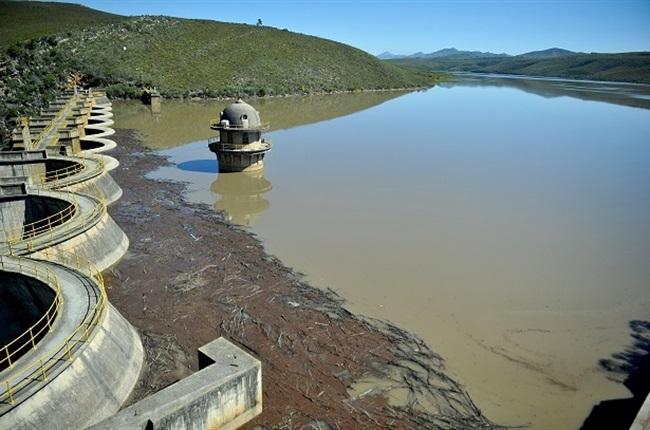
Major cities across South Africa are tightening water restrictions as a strengthening El Niño phenomenon brings hotter and drier conditions, increasing the risk of drought and placing further pressure on already strained water supplies.
Authorities have introduced Level 2 water restrictions across Gauteng Province, including Johannesburg and the Tshwane Metropolitan Municipality, which houses the administrative capital, Pretoria.
The Johannesburg municipal government estimates that daily water consumption must be reduced by 200 million litres to stabilise supplies and ease pressure on reservoirs.
In Cape Town, Level 1 water restrictions are scheduled to take effect on December 1, requiring residents to cut water consumption by 10 per cent.
Under South Africa’s water restriction framework, Level 1 measures mainly target non-essential outdoor water use, while Level 2 restrictions prohibit residents from using municipal tap water to irrigate gardens and public green spaces.
Households that exceed their allocated water-use limits are also subject to higher charges.
Also Read: Physicians warn Nigerians of El Niño health risks
The restrictions come as the country’s weather service warns that the current El Niño event could be among the strongest on record, with below-average rainfall and above-average temperatures expected during the coming summer months.
Ferrial Adam, executive director of WaterCAN, a Johannesburg-based community action network focused on water quality and related issues, said the combination of climate conditions and ageing infrastructure was worsening the country’s water challenges.
Adam explained that El Niño’s effects, including the warming of ocean waters, could alter weather patterns and lead to hotter and drier conditions.
El Niño is a naturally occurring climate phenomenon linked to the periodic warming of sea-surface temperatures in the central and eastern equatorial Pacific Ocean.
The phenomenon can disrupt normal weather patterns worldwide, increasing the likelihood of drought in some areas while bringing heavier rainfall to others.
Beyond the immediate threat to urban water supplies, concerns are also mounting over the possible effects on agriculture.
Prolonged dry spells and extreme heat could reduce crop production and drive up food prices from March next year, raising further concerns about food security across southern Africa.
NAN