|
|
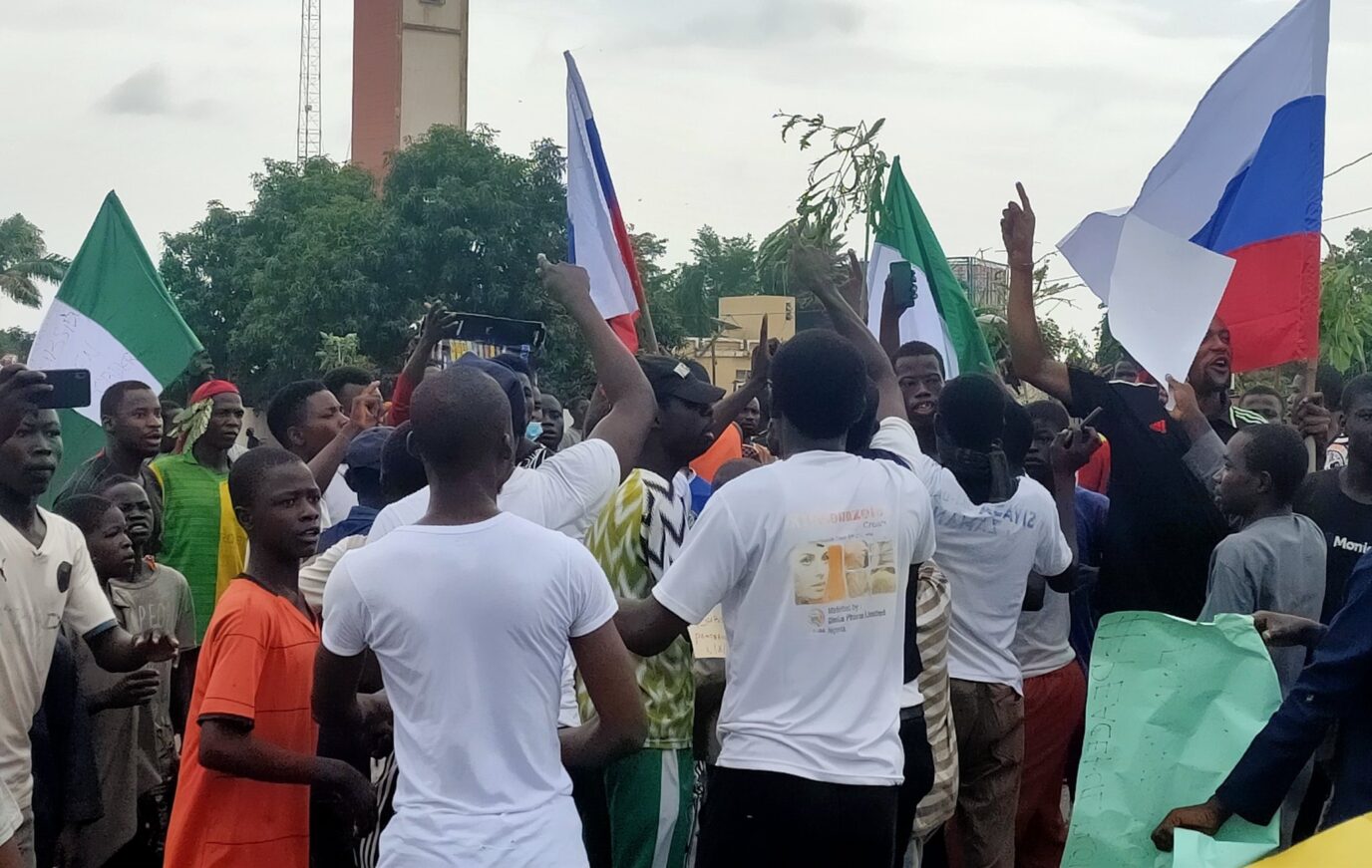
Nigeria’s recent nationwide protests which began on August 1, 2024 emerged as a significant response to the ongoing economic hardships and perceived governmental failures. The protests, driven by widespread dissatisfaction with high living costs, unemployment, and corruption, reflected a collective outcry from citizens, particularly the youth, who felt neglected by their leaders.
In a broadcast on August 4, President Bola Tinubu addressed the nation amid the protests, emphasizing several key points including condolences and call for peace. He expressed sorrow over the eruption of violence including reported deaths of protesters, and urged an end to violence. His call for peace was a clear attempt to de-escalate tension, suspension of Protests.
Tinubu requested that protesters suspend their demonstrations and engage in dialogue with the government. He stated, “I hereby enjoin protesters and the organisers to suspend any further protest and create room for dialogue.” Some analysts may view this position as an attempt to regain control over the situation.
Economic Reforms: The President defended his administration’s economic policies, including the removal of fuel subsidies, arguing that these “belt-tightening measures” were essential to rectify years of mismanagement. As evidence of progress, he highlighted improvements in government revenues and ongoing infrastructure projects.
Youth Empowerment Initiatives: The president also outlined various programs aimed at empowering the youth, including a student loan scheme and skill development initiatives. However, many young people may find these promises insufficient given their immediate economic challenges.
The protesters’ demands remained in contrast to the President’s message. Many young Nigerians have not only become frustrated with the economic situation but feel that government’s responses have been inadequate. The protests have, therefore, been characterized by chants of “bad governance” and calls for immediate action to redress the rising costs of living and unemployment.
The youth’s sentiment is encapsulated in their demands for immediate reduction in living costs: Many protesters argue that the government needs to take urgent action to alleviate the financial burdens on citizens; accountability and transparency: There have also been vociferous calls for the government to address corruption and ensure that resources are utilized for public benefit rather than elite interests; engagement in meaningful dialogue. While President Tinubu called for dialogue, many protesters became skeptical of government’s willingness to listen and implement real changes.
President Tinubu’s broadcast did not resonate as persuasive, especially to a young person observing the unfolding of the current events. His emphasis on past achievements and future plans appears disconnected from the immediate realities faced by many Nigerians. The call for dialogue, while necessary, seems more like a tactic to quell unrest rather than a genuine effort to engage with the populace’ grievances.
The protesters’ demands reflect a deep-seated frustration with a government that many perceive as out of touch with the struggles of ordinary citizens. The insistence on continued protests despite the President’s pleas indicates a collective resolve among the youth to push for meaningful change rather than accept reassurances that may lack substance.
In conclusion, the juxtaposition of President Tinubu’s broadcast and the protesters’ demands highlights a critical moment in Nigeria’s socio-political landscape. The youth’s determination to advocate for their rights and needs suggests that the current administration must take these protests seriously and respond with tangible actions rather than mere rhetoric.
Credible News.ng