The Malaysian government’s decision to phase out natural gas-powered vehicles by July 2025 has ignited strong reactions, particularly in Nigeria, where the push for Compressed Natural Gas, CNG, vehicles has gained traction as a safer and more affordable alternative to petrol.
Malaysian Transport Minister Loke Siew Fook recently announced measures to ban the registration of CNG-powered vehicles, citing safety concerns about Liquefied Petroleum Gas, LPG, usage in vehicles.
Loke explained that the 44,383 existing CNG vehicles (representing only 0.2% of all vehicles) would be phased out due to aging NGV tanks, which typically have a service life of 15 years.
However, this policy has drawn criticism, especially in Nigeria, where CNG adoption has been touted as a solution to fuel cost challenges.
In response, Nigerian experts have clarified that Malaysia’s policy primarily targets the safety issues surrounding LPG, not CNG.
Bayo Onanuga, special adviser to the President on information & strategy and a strong advocate for CNG adoption, took to X (formerly Twitter) to address misconceptions, emphasizing that Nigeria’s transition only focuses on CNG, which it considers safer and more cost-effective compared to LPG.
READ ALSO : Malaysian military helicopter collision ends in tragedy, claims 10 lives
Onanuga also noted that Malaysia’s long struggle to transition away from petrol and diesel vehicles had resulted in minimal success, with only a 0.2% conversion rate over the past 15 years.
In contrast, countries like India, China, Iran, and Egypt have made significant strides in CNG adoption, positioning Nigeria as a potential leader in CNG infrastructure and vehicle manufacturing.
The debate highlights the differences in approach to cleaner energy solutions, with Nigeria continuing to advocate for CNG as a key part of its strategy to lower fuel costs and reduce emissions.
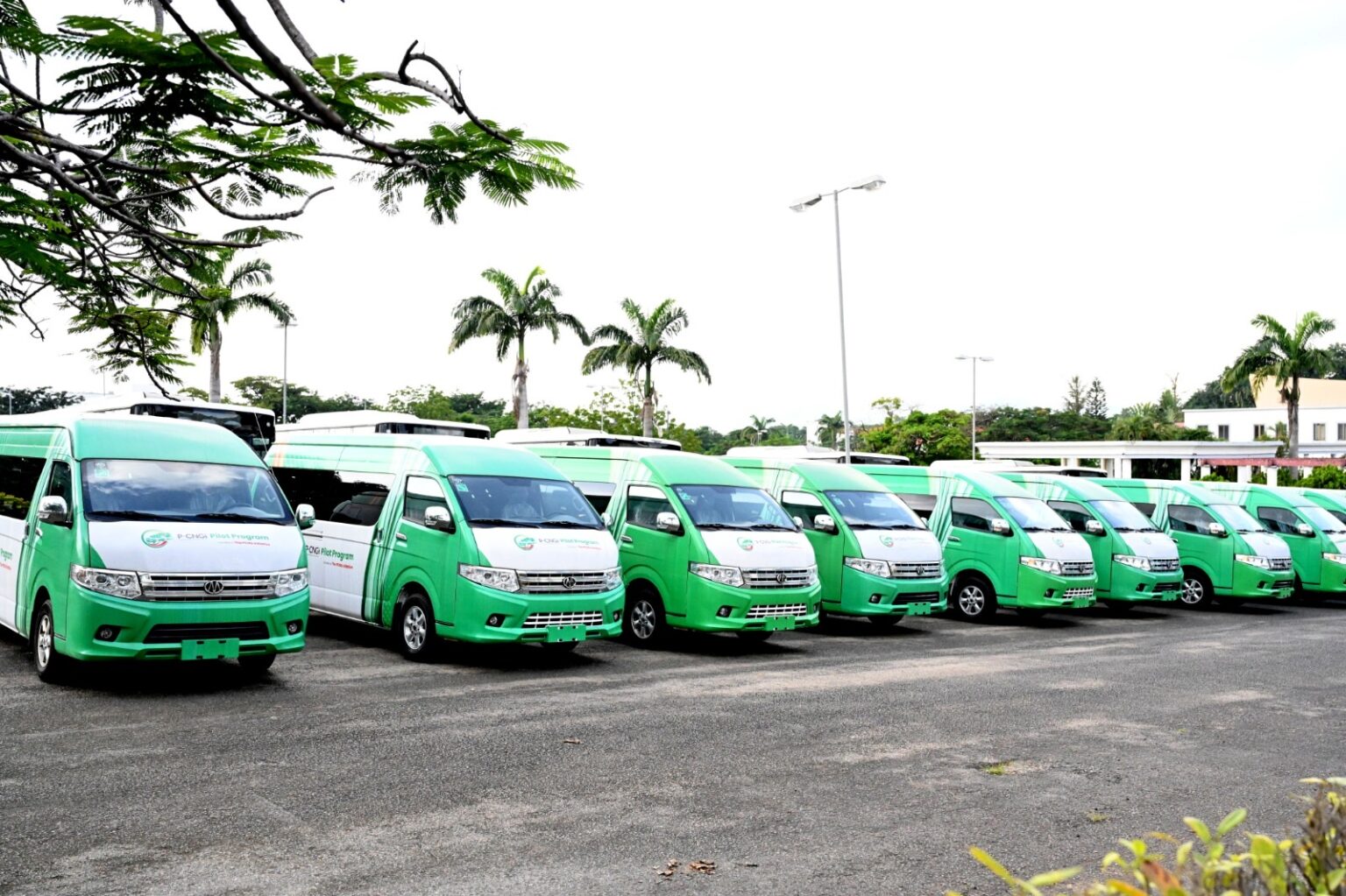
In August 2023, President Bola Tinubu launched the Presidential CNG Initiative aimed at promoting cleaner, more affordable energy for vehicles.
As part of this initiative, the Nigerian government has successfully converted over 100,000 vehicles to CNG or bi-fuel configurations.
This conversion initiative is seen as a vital component in mitigating the effects of fuel subsidy removal, ensuring citizens have access to an affordable and sustainable fuel alternative.
Credible News.ng