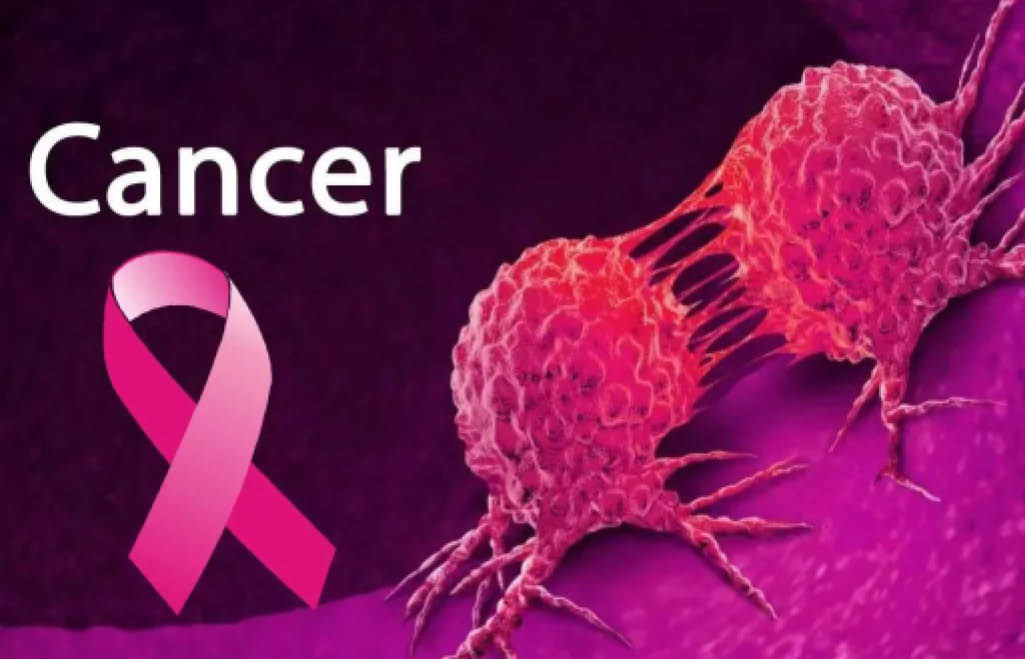
Children in Nigeria make up 7.2 per cent out of 127,000 cancer cases recorded annually.
Dr. Uchechukwu Nwokwu, National Coordinator, National Cancer Control Programme, Federal Ministry of Health and Social Welfare spoke at the public enlightenment on childhood cancer to commemorate 2025 International Childhood Cancer Day, ICCD, organised by Akanimo Cancer Foundation on Saturday in Abuja.
Every Feb. 15, the world commemorates ICCD to raise more awareness on childhood cancer and to galvanise support for children and adolescents with cancer, the survivors, and their families.
“Data has been collated, however, the current one we have shown that we have 127,000 cancers annually in Nigeria, out of which, 7.2 per cent are children,” he said.
He indicated that childhood cancer survival rates can reach 80 percent with early diagnosis, access to appropriate treatment, and effective bodily response to medication.
“The cancers that are common among children are the leukemias.
“Meanwhile, adults also have leukemias, but the most common childhood cancers are the leukemias, but they are about the fourth commonest cancer in adults.
“Coincidentally, children have more tendency to survive than the adults because their systems are still very functional.
“They have the capacity to resist some of the side effects of the drugs used to treat them and they recover quite fast. Also, if they have opportunity to do stem cell transplant, they can survive it,” he said.
On the issue of government response to childhood cancer, the national coordinator said that efforts were in place to include it in the Cancer Health Fund.
According to him, before now, there was this omission of attention toward childhood cancers.
Childhood cancer will be part of the cancer health fund by 2025. So, going forward children can now access their care from that fund,” he said.
Dr Idorenyin Usoh, Abuja Coordinator, Akanimo Cancer Foundation, stressed the need for more advocacies and response from the government and other stakeholders towards childhood cancer.
“We want more awareness on childhood cancer because the truth is, childhood cancer is a silent crisis with so many children dying from it.
“Most medical practitioners, even parents do not think that children can have cancer so, they treat them for other things and before they realise that it is cancer, to becomes too late.
“What we then start doing is diagnose early, start treatment early as most childhood cancers are curable if diagnosed early,” she said.
Mrs Idara Ekanem, Founder and Executive Director of the Foundation, whose son, Akanimo, passed away from cancer, said that the foundation was committed to assisting children with cancer, especially indigents.
Ekanem said that the foundation was also supporting research for better treatments, therapies, and cures, as well as creating more awareness on childhood cancer nationwide.
“Right now, we have about 10 children in five Nigerian hospitals that we are taking care of under the patient treatment programme of Akanimo Childhood Cancer Foundation,” she said.
On the cost implication of treatment, the founder said that cancer treatment was expensive.
“Most of the children we care for are impoverished Nigerian children.”
” Sometimes they cannot afford treatment to clinic, cannot afford food or investigations to even confirm the cancer.
“So, we pay for everything, depending on what the child needs, from chemotherapy, surgery, radiotherapy and other medications that the child needs to just be able to make it through,” she said.
Meanwhile, some FCT residents commended the initiative of the foundation in creating awareness on childhood cancer, which has not been given more prominence like other forms of cancer.
Hajiya Aisha Bello, a resident of Jabi urged government and other stakeholders to implement policies that would enable children, especially indigents ones suffering from cancer access treatment.
Bello said that the prohibitive cost of cancer treatment had affected access to treatment and compelled some to seek alternative care for it, which usually compounded the disease.