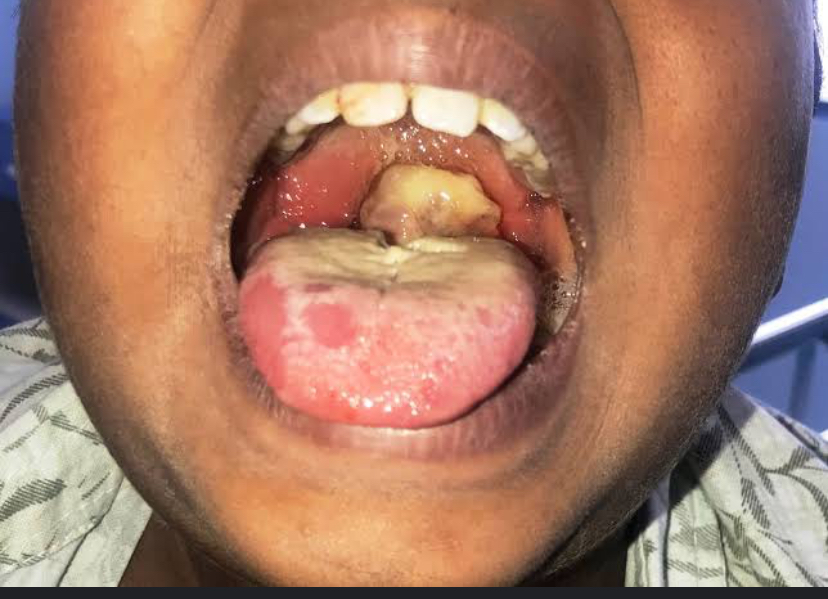
The Nigeria Centre for Disease Control and Prevention,NCDC,has reported that the ongoing diphtheria outbreak in the country has resulted in 1,319 deaths.
This information was shared in the NCDC’s latest situation report, released Sunday through its official website.
Diphtheria, a potentially fatal bacterial infection caused by *Corynebacterium diphtheriae*, primarily affects the throat and nose.
The bacterium produces a toxin that can lead to severe complications such as breathing difficulties, heart failure, and nerve damage.
The disease is preventable through vaccination, and early intervention with antitoxins and antibiotics is critical in managing the condition.
As stated by the NCDC, over 42,000 suspected cases have been recorded across 37 states since 2022.
The latest report, covering Epidemiological Week 10 of 2025, highlights the ongoing challenges in controlling the outbreak, including low vaccination rates, limited laboratory capacity, and delayed case confirmations.
Kano State has been the hardest hit, accounting for 75% of the confirmed cases, with 18,108 out of 25,812. Other states with significant outbreaks include Bauchi (2,334), Yobe (2,408), and Katsina (1,501).
The case fatality rate stands at 5.1%, indicating that one in every 20 confirmed cases results in death. In some states, the mortality rate is even higher, with Kaduna at 48%, Plateau at 48%, Lagos at 83%, and Adamawa at 80%.
In the most recent reporting week, 23 new suspected cases were reported—20 in Lagos and three in Katsina.
However, none of these have been confirmed yet, and more than half of the cases remain unclassified due to delays in laboratory testing.
The NCDC notes that the Federal Government has initiated reactive vaccination campaigns in high-burden states and is increasing community engagement with traditional and religious leaders.
READ ALSO : Lawmakers urges immediate diphtheria vaccination in schools
Despite Nigeria’s Expanded Programme on Immunisation (EPI), a concerning 19.3% of confirmed cases were fully vaccinated with a diphtheria toxoid-containing vaccine.
Dr. Solomon Chollom, a medical virologist, highlighted the critical gap in routine immunization coverage, particularly in northern Nigeria.
He called for urgent mass vaccination campaigns, especially for children aged one to 14, who account for nearly 63% of confirmed cases.
The country’s limited testing capacity is another cause for concern.
In 2024, all cases were confirmed based on clinical symptoms rather than laboratory tests, raising questions about the true scale of the outbreak.
Dr. Chollom expressed concern that without widespread testing, many cases may be underreported or misdiagnosed.
While the government has pledged to improve laboratory capacity and streamline PCR testing protocols, progress has been slow.
Public health experts emphasize the need for a nationwide diphtheria vaccination drive, improved disease surveillance, and a consistent supply of diagnostic materials.
As Nigeria grapples with one of the worst diphtheria outbreaks in decades, experts warn that the situation could worsen unless significant improvements are made in vaccination efforts and disease monitoring.
The government’s planned response includes enhancing case management support, increasing data harmonization across affected states, and strengthening laboratory testing.
Efforts to expand vaccination coverage, especially among children, and increase public awareness through social media and community outreach are also crucial.
Public health professionals stress that vaccination remains the most effective defense against diphtheria, urging parents to ensure their children are up-to-date with routine immunizations.
Crediblenewsng.com