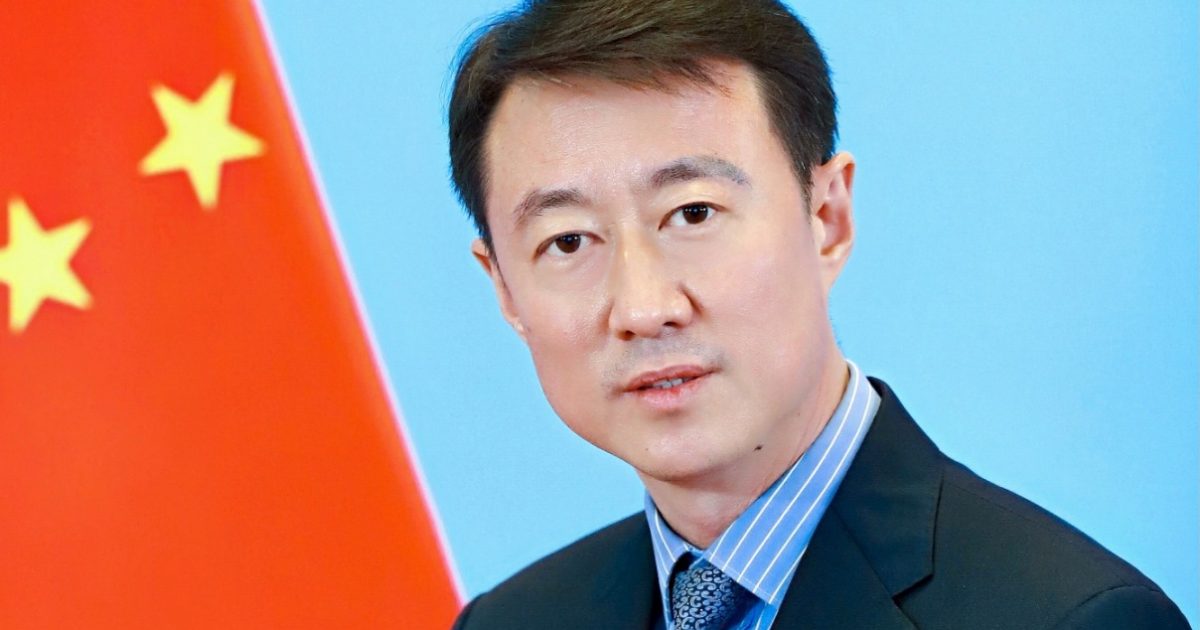
Chinese Ambassador to Nigeria, Yu Dunhai, says the recent U.S. tariffs on global trade could further strengthen China-Nigeria economic cooperation.
He made the remark during a news conference in Abuja, where he described the tariffs as a challenge that also presents opportunities for both nations.
Yu said the current global economic climate created by the U.S. tariffs could deepen China-Nigeria collaboration, describing it as a “crisis with opportunities.”
The envoy noted that the conference was held to address the impact of U.S.-China trade tensions, while also exploring new avenues for bilateral growth with Nigeria.
Highlighting China’s consistent role as a dependable partner for Africa, Yu stressed the importance of a free and open multilateral trading system.
“African nations are committed to development and revitalisation, which requires a free, open multilateral trading system and a stable, predictable global environment,” he said.
He pointed out that China’s approach to global cooperation stands in contrast to protectionist policies, and would bring greater economic stability, especially for developing nations.
READ ALSO: US tariff spree may benefit Africa, says Alake
Yu restated China’s pledge to increase market access for least-developed African countries through zero-tariff policies, as reaffirmed at the Forum on China-Africa Cooperation,FOCAC, Beijing Summit.
He noted that this initiative had already created new export and investment opportunities for African countries, including Nigeria.
Expressing optimism about future engagements, Yu said China is committed to enhancing cooperation with Nigeria in various areas such as trade, infrastructure, and industrial growth.
The ambassador emphasised that strengthened partnerships in these sectors would significantly contribute to Nigeria’s economic development and modernisation.
He affirmed China’s readiness to work with Nigeria in implementing the outcomes of the FOCAC Summit, and to deepen mutual collaboration.
Yu concluded by stressing the need to uphold multilateralism, combat protectionism, and build a fair, inclusive global economic environment.
“Our shared goal is to advance an equal and orderly multipolar world and a universally beneficial and inclusive economic globalisation,” he said.
NAN