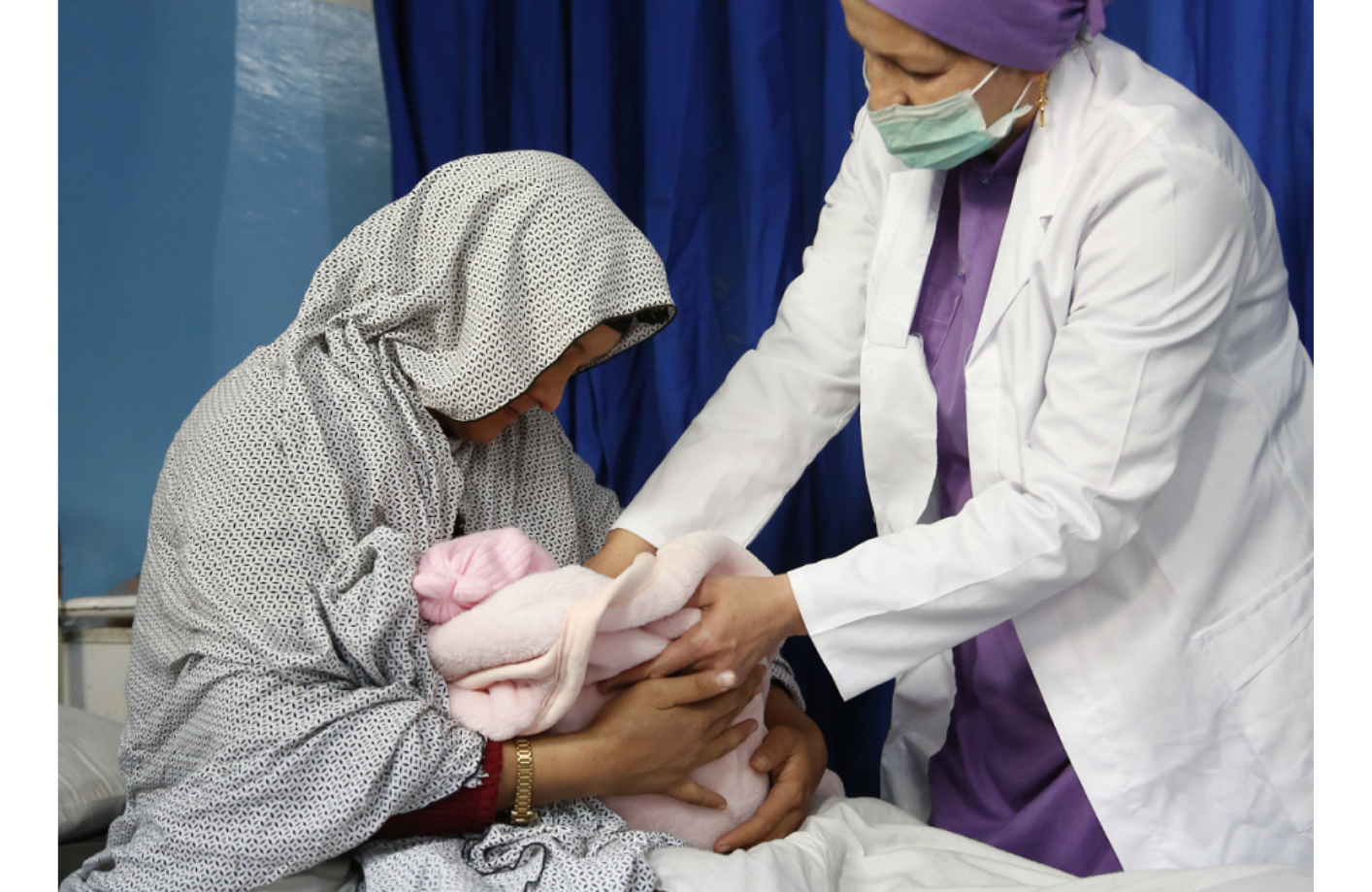
A new $600 million philanthropic initiative, the Beginnings Fund, has been launched to boost maternal and newborn survival across Nigeria and Africa.
The initiative, known as the Beginnings Fund, is a joint effort by leading global philanthropies to tackle the high rates of preventable deaths among mothers and newborns in Sub-Saharan Africa.
It aims to reduce over 300,000 maternal and neonatal deaths and ensure access to quality care for 34 million women and babies by 2030.
With nearly $500 million already secured, the Fund will make targeted investments across 10 African countries—Nigeria, Ethiopia, Ghana, Kenya, Malawi, Lesotho, Rwanda, Tanzania, Uganda, and Zimbabwe—over the next five years.
These investments will focus on upgrading health systems, empowering frontline workers, and scaling low-cost, evidence-based interventions.
The Fund’s strategic approach involves working with African governments, national health organisations, and medical experts to boost care in high-burden hospitals and referral centres, where the majority of maternal and neonatal deaths occur.
Backed by the Mohamed bin Zayed Foundation for Humanity, the initiative unlocked matched support from other major funders such as the Gates Foundation, Children’s Investment Fund Foundation ,CIFF, Delta Philanthropies, The ELMA Foundation, Horace W. Goldsmith Foundation, and Patchwork Collective.
Sheikh Theyab bin Mohamed bin Zayed Al Nahyan said the UAE’s early struggles with maternal health informed its support.
He emphasized the importance of equitable access to quality healthcare and expressed confidence in the Fund’s potential to secure a healthier future for generations.
Newborn deaths within the first month of life remain the biggest contributor to child mortality in Sub-Saharan Africa, while the region also bears 70 per cent of the world’s maternal deaths.
Most of these are preventable with skilled health workers and timely medical intervention.
Despite progress in health innovations, maternal and newborn health remains significantly underfunded in global health financing. Without swift, large-scale action, Africa could continue to lose 182,000 women, 1.2 million newborns, and experience 950,000 stillbirths annually.
READ ALSO: Nigeria seeking investments in health manufacturing
Ethiopia’s Minister of Health, Dr. Mekdes Daba, stressed the urgency of building strong, resilient health systems and leveraging proven strategies. She called for collective responsibility to protect the lives of pregnant women and their babies.
Alice Kang’ethe, CEO of the Beginnings Fund, commended African governments and local organisations for driving health innovations, but urged continued collaboration to achieve lasting impact. She described the Fund as a catalyst for unified efforts across sectors.
Mark Suzman, CEO of the Gates Foundation, highlighted that despite medical advances, many mothers and children still lack access to life-saving interventions. He reaffirmed the Foundation’s commitment to bridging these gaps through partnerships and policy advocacy.
Sir Chris Hohn, Chair of CIFF, described maternal and newborn deaths as a preventable tragedy. He urged additional donors to join the effort, noting that the Fund’s ambitious 2030 targets depend on increased global investment and sustained government collaboration.
The Fund’s model prioritises local ownership, sustainability, and data-driven decision-making.
By partnering with country-level implementers, it seeks to ensure that interventions are effective, scalable, and deeply rooted in community needs.
Momentum continues to build toward achieving the United Nations’ Sustainable Development Goals, particularly those tied to reducing maternal and child mortality.
With the Beginnings Fund, stakeholders are hopeful that Africa can meet these targets through unified action and smart investments.
NAN reports that 90 per cent of the Fund’s targeted $500 million philanthropic pool has already been raised, with ongoing efforts to attract more funding and expand its reach across the continent.
NAN