In a major move to support Nigeria’s infrastructure goals under President Bola Tinubu’s Renewed Hope agenda, leading cement manufacturers — Dangote Cement and BUA Cement — have agreed to freeze cement prices for all Federal Government projects.
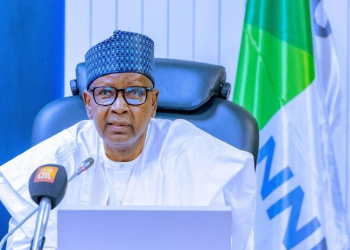
Chairman of BUA Group, Abdul Samad Rabiu, made the announcement after a high-level meeting with President Tinubu at the Presidential Villa in Abuja on Thursday. The agreement, he said, is a strategic effort to prevent cost escalations on key infrastructure projects such as roads, bridges, and housing developments.
“We have decided to freeze the price of cement for any contractor working on Renewed Hope projects,” Rabiu stated. “There will be no increase for the foreseeable future. This is our contribution to Mr President’s economic recovery plan.”
Rabiu disclosed that the partnership with Dangote Cement Chairman Aliko Dangote reinforces the commitment of the Cement Manufacturers Association of Nigeria to national development. To strengthen this effort, Engineer Yusuf Binji of BUA Cement has been appointed the new chairman of CEMAN.
The cement industry will also boost capacity building through the Cement Technology Institute of Nigeria, which will receive ₦15–₦20 billion in annual funding. The funds will be sourced via a ₦20–₦30 levy on every bag of cement sold, earmarked for training construction artisans and technicians nationwide.
Rabiu praised the Minister of Works, David Umahi for promoting the use of concrete roads, noting their long-term durability and cost efficiency compared to traditional bitumen alternatives.
READ ALSO: Dangote Refinery reduces petrol price to ₦825
On the economic front, Rabiu also addressed concerns about food inflation and lauded the government’s policy interventions. He highlighted the significant drop in food prices since BUA Foods began leveraging a six-month duty waiver on key imports like rice, maize, and wheat.
“At the height of the crisis, a 50kg bag of rice cost over ₦110,000. Today, it’s about ₦60,000. Flour has dropped from ₦80,000 to ₦55,000, and maize from ₦60,000 to ₦30,000,” he said.
He attributed the price crash to market corrections spurred by increased supply, especially after BUA’s massive importation disrupted widespread hoarding within the rice supply chain. “When our imports hit the market, hoarders lost control. Their stocks lost value and prices fell,” Rabiu added.
The Rice Millers Association of Nigeria has since moved to discourage hoarding by its members, aiming to maintain market stability moving forward. Rabiu expressed optimism that food prices will remain on a downward trend, thanks to sustained supply.
“We’ve brought in enough rice to last till the end of the year,” he said. “Anyone still hoarding is taking a huge risk.”
He concluded by reaffirming BUA Group’s commitment to economic stability and public welfare, thanking President Tinubu for his visionary leadership. “We will continue to support the economy and our country in every way we can,” Rabiu said.
Vanguard