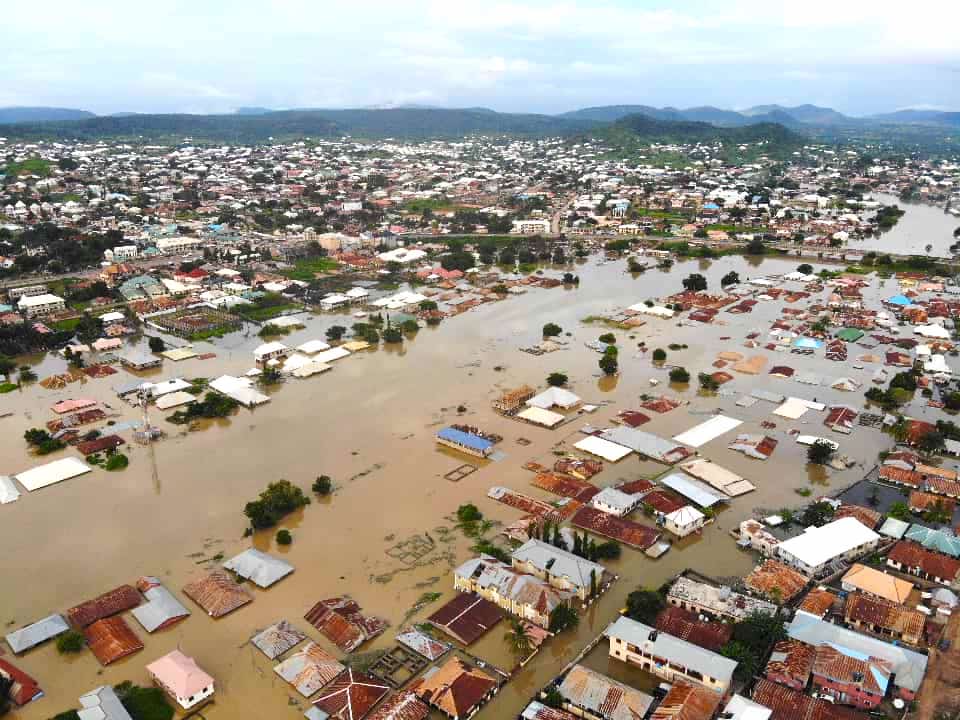
The death toll in the devastating flood that struck Mokwa community in Niger State has risen to 115, according to state authorities.
The tragedy, caused by a torrential downpour on Wednesday night, submerged parts of Mokwa town, leaving a trail of death, destruction, and displacement in its wake.
The Deputy Governor of Niger State, Mr. Yakubu Garba, confirmed the grim figures during a visit to the affected area on Friday.
Speaking to journalists on site, Garba said that more than 100 bodies had been recovered as of Friday morning, with search and rescue operations still ongoing. “This is a national tragedy. We mourn with the families and communities affected,” he stated.
The worst-hit areas include Tiffin Maza and Anguwan Hausawa, both located within Mokwa town in Mokwa Local Government Area. Entire households were wiped out as floodwaters swept through residential zones, collapsing buildings and forcing thousands to flee their homes.
The Deputy Governor revealed that his visit was in line with Governor Umaru Bago’s directive to conduct an on-the-ground assessment and fast-track relief interventions.
At the Internally Displaced Persons camp set up for survivors, Garba assured victims of ongoing support and pledged that their needs would be communicated directly to the state executive for further action.
“We have received emergency relief materials from the National Emergency Management Agency, NEMA, and these have been handed over to the Mokwa council leadership for distribution to the victims,” Garba noted.
READ ALSO: DSS gets commendation after Niger clearance of bandits
The Director-General of NEMA, Mrs. Zubaida Umar, also confirmed the agency’s continued presence in the disaster zone. “NEMA teams are coordinating with the Red Cross and the Niger State Emergency Management Agency, NSEMA, to carry out search and rescue efforts. We’ve deployed both food and non-food items, including rice, blankets, and sleeping mats,” she said.
While officials continue to manage the emergency response, attention is also turning to long-term disaster prevention.
Garba cautioned residents against building on natural waterways and emphasized the urgent need for communities to adhere to environmental regulations. “This tragedy could have been mitigated if water channels were respected. We must learn from this,” he warned.
Among the victims is Anas Usman, a local farmer who lost 17 members of his household. He recounted the horror of the flood that engulfed their home as they were preparing for a new day.
“We were getting ready to go to the farm when the water came in like a storm. In minutes, our house collapsed. I lost my children, wife, and other relatives,” he said, barely holding back tears.
As the state reels from the disaster, many are calling for greater federal support, more investment in flood control infrastructure, and climate adaptation strategies to prevent future occurrences.
Meanwhile, humanitarian agencies continue to plead for public support in terms of donations, medical supplies, and volunteer assistance. Analysts warn that with the rainy season just beginning, other vulnerable regions in the country could be at similar risk if proactive measures are not implemented swiftly.
This latest flood disaster underscores Nigeria’s ongoing vulnerability to climate-related events and the pressing need for disaster preparedness, urban planning reforms, and stronger environmental enforcement at all levels of government.
NewsExpress