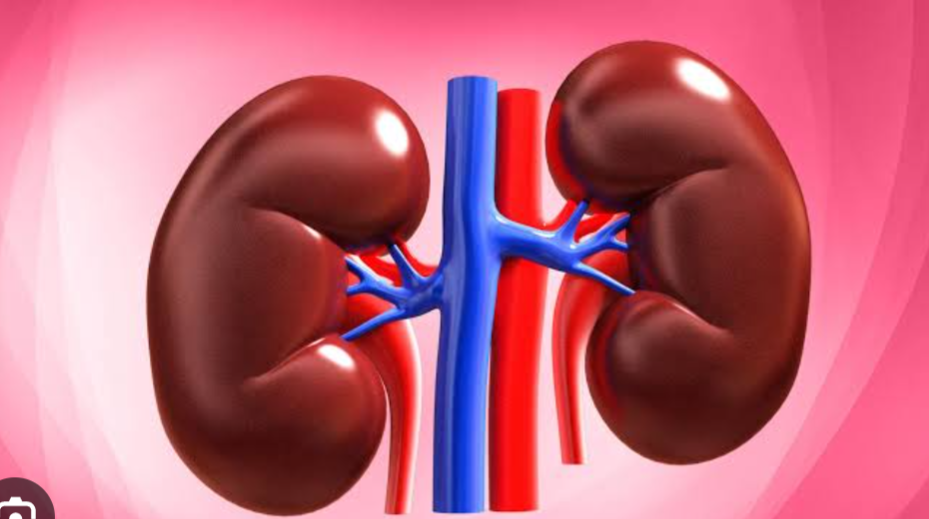
Your kidneys perform vital tasks, filtering waste, balancing fluids, regulating blood pressure, and supporting red blood cell production. Yet, early signs of kidney damage often go unnoticed or are mistaken for minor health issues.
Chronic Kidney Disease, CKD, progresses quietly, but with early detection, its advance can be slowed or even halted. Here are five early symptoms you shouldn’t ignore
1. Persistent Fatigue and Weakness
When kidneys fail to remove toxins efficiently, waste builds up in the blood, leading to constant fatigue. Additionally, reduced production of erythropoietin—a hormone that stimulates red blood cell production—can cause anaemia. This results in tiredness, trouble concentrating, and breathlessness during light activity. Many dismiss this as normal ageing, delaying proper diagnosis.
READ ALSO: Abuja achieves first successful living donor kidney transplant
2. Changes in Urination Patterns
Early kidney issues often show up in urination habits. Increased frequency at night (nocturia), foamy or bubbly urine (indicating protein loss), blood in urine (hematuria), or very dark urine can signal kidney trouble. These changes may seem minor but are significant warning signs that need medical attention.
3. Swelling in the Feet, Ankles, or Face
If your kidneys can’t remove excess sodium and fluid, swelling (edema) develops—especially in the lower limbs and around the eyes. This swelling is often blamed on poor posture or diet, but it may indicate declining kidney function and should prompt a check-up.
4. Persistent Itching or Skin Changes
Chronic itching without a clear skin condition may stem from kidney dysfunction. As waste products accumulate and mineral imbalances occur, dry, flaky skin and relentless itching can develop. A kidney evaluation is important if this happens without a dermatological cause.
5. Loss of Appetite, Metallic Taste, or Nausea
As kidney function worsens, uremic toxins in the bloodstream can affect the digestive system, causing nausea, appetite loss, bad breath (uremic fetor), or a metallic taste in the mouth. These are often misattributed to digestive disorders, delaying the right diagnosis.
When to Seek Help
If you or someone you know experiences these symptoms, especially with risk factors like diabetes, high blood pressure, family history of kidney disease, or long-term use of pain medications, consult a healthcare provider. Kidney function tests (creatinine, eGFR, and urine albumin) can detect problems early, helping prevent complications and preserving quality of life.
Caring for Your Kidneys
Good kidney health starts with awareness. Stay well-hydrated, eat a balanced diet rich in fruits, vegetables, and whole grains, and avoid excess sodium and processed foods. Regular exercise improves circulation, controls blood pressure, and reduces diabetes risk. These simple habits offer powerful protection against kidney damage.
Listen to your body, your kidneys might be quietly calling for help.
TIMES ENTERTAINMENT