Hamas has agreed to release all remaining Israeli hostages under a U.S.-brokered peace initiative, offering a glimmer of hope to families who have endured nearly two years of uncertainty.
The group said it would free both the living and the dead in exchange for hundreds of Palestinian detainees, provided that specific “field conditions” for the swap are met.
The acceptance comes in response to former U.S. President Donald Trump’s 20-point Gaza peace proposal, announced earlier this week at the White House.
The plan calls for an immediate end to fighting and the release of all hostages within 72 hours, alongside the transfer of Gaza’s governance to Palestinian technocrats.
Israel estimates that 48 hostages remain in Gaza, only 20 of whom are believed to be alive. Hamas’s statement, while significant, left out key demands of the plan, most notably the requirement to disarm. Analysts say this omission could complicate the next stages of negotiation.
Trump welcomed the announcement, urging Israel to halt its bombardment of Gaza to allow for safe passage of hostages.
In a video message, he described the development as “a big day” but admitted that details still need to be finalized. “We’ll see how it all turns out,” he said.
READ ALSO: Hamas warns Gaza assault endangers hostage survival
On Saturday, the situation grew more complex. Three Israeli airstrikes hit Gaza in the early hours of the morning, killing at least 20 people, even as Israel’s military command was instructed to prepare for the first phase of Trump’s peace plan.
That stage would see the release of hostages begin once technical arrangements are completed in Cairo.
Momentum built further when Islamic Jihad, another Gaza-based faction holding captives, announced support for Hamas’s position, signaling potential coordination among militant groups.
Israeli officials said preparations were underway for “immediate implementation” of the agreement, with reports suggesting that six hostages could be freed within days if negotiations hold.
International reactions were swift. The United Nations and several European governments welcomed Hamas’s acceptance as a potential breakthrough, urging a ceasefire and expanded humanitarian access.
But within Israel, scepticism persists, with cabinet members wary that Hamas may be attempting to buy time while maintaining influence over Gaza’s political future.
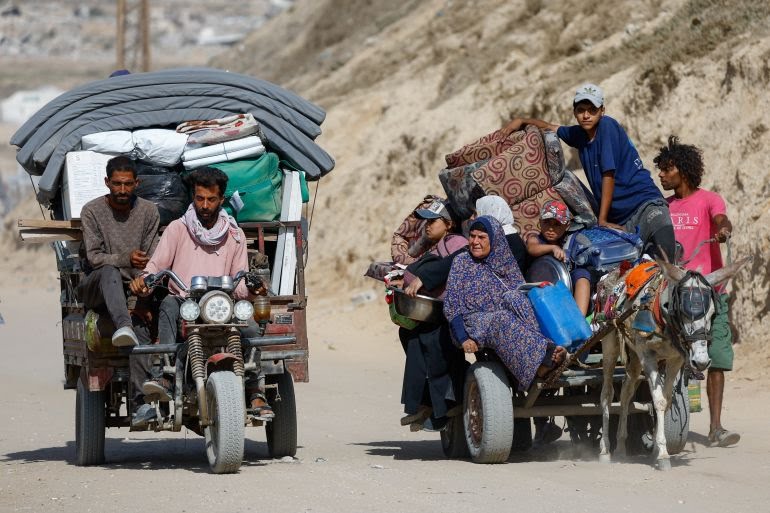
For families of those still in captivity, the promise of release has ignited cautious optimism. Yet as strikes continue and Gaza’s humanitarian crisis deepens, the road to peace remains fraught with uncertainty.
BBC News