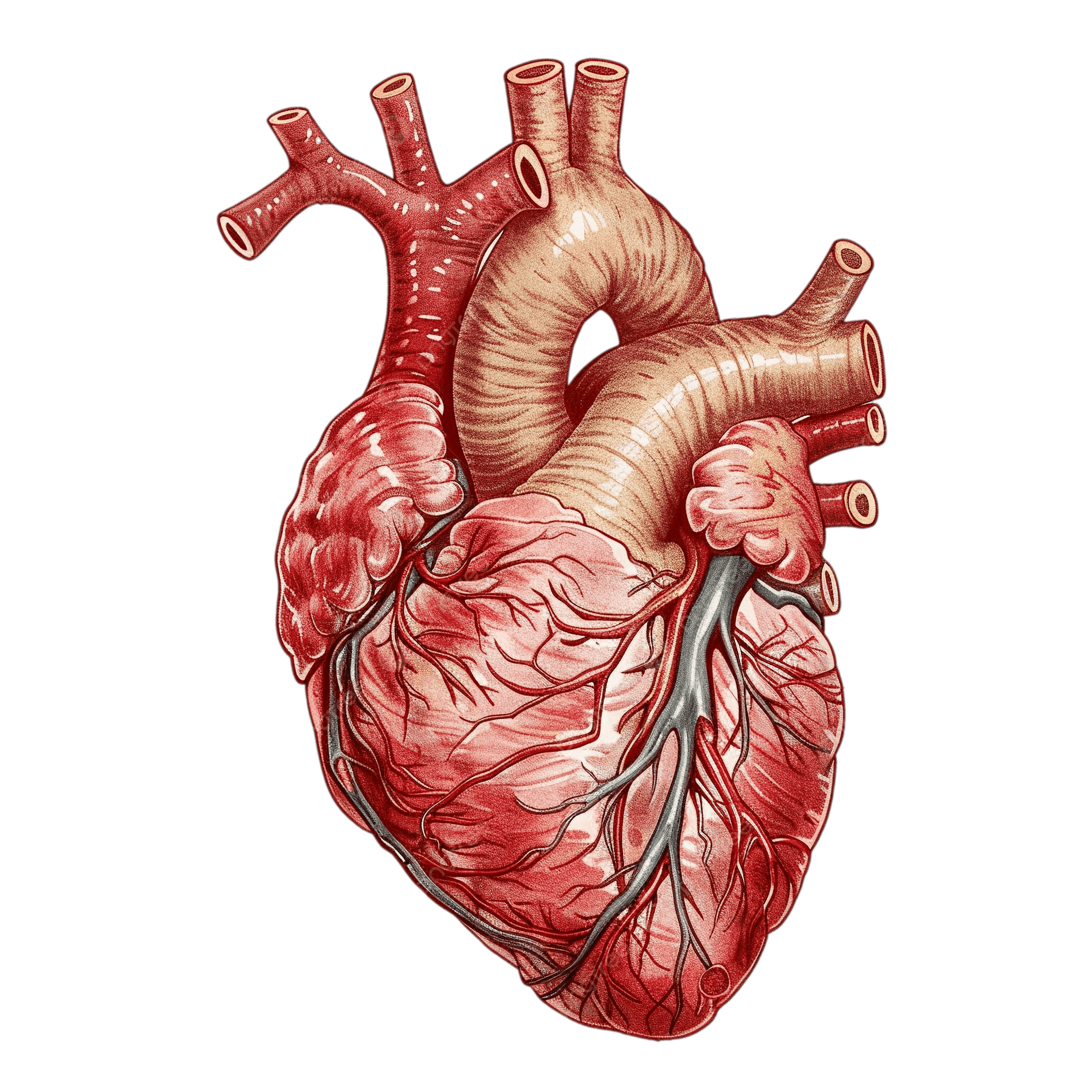
Heart disease remains one of India’s most serious health challenges, responsible for nearly 27 percent of all deaths in the country, as reported by the World Health Organization.
The growing burden of hypertension, diabetes, and cholesterol across both urban and rural populations has intensified concerns about cardiovascular health.
A cardiologist has highlighted five foods that may support heart and blood vessel health by reducing vascular stress and slowing blockage progression.
While no single food can reverse or repair existing arterial blockages, certain nutrients can improve endothelial function, reduce inflammation, and enhance blood flow when combined with medical treatment and lifestyle changes.
Beetroot
Beetroot is rich in dietary nitrates that the body converts to nitric oxide, a compound that relaxes blood vessels and improves circulation. Cardiologist Dr. William Li notes that this process can ease stress on artery walls and support vascular function.
Studies published by the National Institutes of Health,NIH, suggest that nitric oxide may help reduce minor endothelial injury over time. Beets can be added to smoothies with lemon and ginger or roasted and served with olive oil and herbs.
Walnuts
Walnuts contain alpha-linolenic acid, a plant-based omega-3 fatty acid, along with antioxidants and polyphenols that protect the heart. Research has shown that regular walnut intake may lower oxidation of LDL (“bad”) cholesterol — a key factor in plaque buildup — and improve how blood vessels respond to changes in blood flow. Two to three soaked walnuts before breakfast or sprinkled on salads can make a healthy addition to the diet.
Microgreens of Cruciferous Vegetables
Microgreens, especially those from cruciferous vegetables such as broccoli and kale, are packed with sulforaphane and isothiocyanate — compounds that strengthen the body’s antioxidant defenses.
These nutrients reduce inflammation in the vessel walls, which helps slow plaque formation. A handful of microgreens can be added to soups, sandwiches, or smoothies.
READ ALSO: Five ways to guard against heart disease
Fatty Fish
Fatty fish such as salmon, mackerel, and sardines are excellent sources of EPA and DHA, long-chain omega-3 fatty acids that reduce triglycerides and vascular inflammation. Clinical studies show that regular fish consumption or fish oil supplementation can help stabilize plaque and improve heart health.
Dark Cocoa
Dark cocoa is rich in flavanols, which help the body produce nitric oxide and improve blood vessel flexibility. It also reduces platelet stickiness and enhances circulation.
Small human studies have shown that moderate consumption of dark cocoa may improve blood vessel dilation. Experts recommend about 10–15 grams of 70% dark chocolate daily for maximum benefit.
How These Foods Work Together
Beetroot, walnuts, microgreens, fish, and dark cocoa collectively reduce oxidative stress, inflammation, and LDL oxidation while improving blood flow and vessel strength. Their benefits are most effective when combined with controlled blood pressure, cholesterol management, regular exercise, and smoking cessation.
Health professionals emphasize that these foods should complement—not replace—medical treatment. Excessive sugar, salt, or processed fats can counteract any benefit. Individuals on blood thinners should also monitor their vitamin K intake from greens.
Regular check-ups, including lipid profiles and blood pressure monitoring, remain essential for anyone managing heart disease or at risk of it.
This report is for informational purposes only and should not replace professional medical advice. Always consult a qualified healthcare provider before making changes to diet or treatment.
Times of India