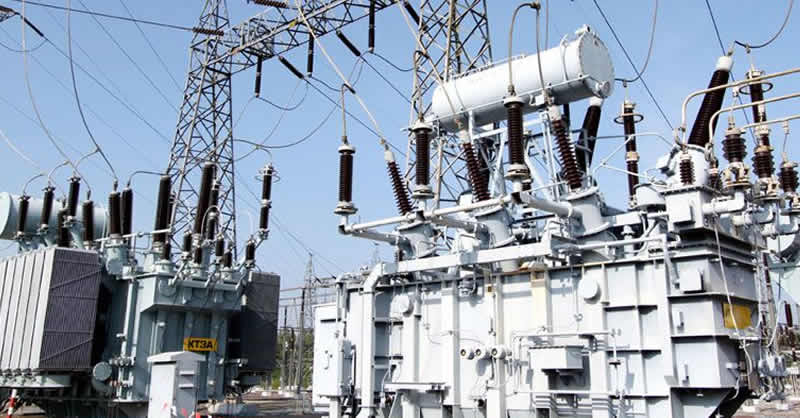
Nigeria’s national grid has experienced another collapse, marking the ninth incident this year, according to the Nigeria National Grid’s official handle on X, formerly Twitter.
The latest disturbance follows a series of grid failures last month, during which the system collapsed three times in a single week.
The Transmission Company of Nigeria is yet to confirm the cause of the blackout. Earlier in 2024, Nigeria’s first major outage took place on February 4, when grid capacity fell from 2,407 MW to a mere 31 MW, resulting in a total shutdown by 1 PM.
READ ALSO : Minister of Power raises emergency committee to strengthen national grid
In response to these recurring issues, Minister of Power Adebayo Adelabu recently highlighted the necessity of decentralizing Nigeria’s power system. Adelabu, while unveiling the Hexing Livoltek electricity meter plant in Lagos, expressed that multiple regional grids are essential to prevent widespread outages. “Today, the entire nation relies on one national grid, meaning any disturbance affects all 36 states. By establishing regional or state grids, outages could be isolated,” Adelabu said.
This grid decentralization initiative is enabled by the 2023 Electricity Act, signed by President Bola Tinubu. The Act permits local and state governments to independently manage generation, transmission, and distribution, potentially paving the way for more resilient power infrastructure.
The House of Representatives has also stepped in, mandating an investigation into the frequency of these grid failures. During a recent session, Hon. Mansur Manu Soro (PDP, Bauchi) urged the committee on power to address the grid instability, stressing the essential role of reliable electricity in Nigeria’s economic development.
The repeated collapses continue to frustrate Nigerians as authorities seek solutions to this persistent problem.
Credible News.ng