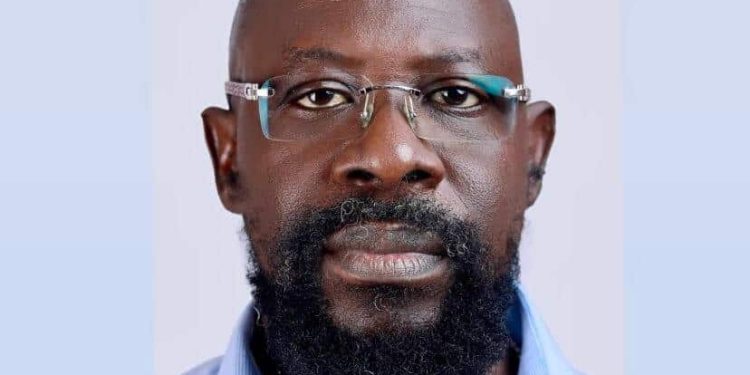
The Magistrate Court in Ado-Ekiti has denied bail to human rights activist Dele Farotimi, who was arraigned for alleged defamation of Aare Afe Babalola, the founder of Afe Babalola University, Ado-Ekiti.
At the resumed hearing on Tuesday, the presiding magistrate, Abayomi Adeosun, ruled that the bail application submitted by Farotimi’s legal team was “incompetent and irregular.”
Based on this, the magistrate adjourned the bail hearing to December 20.
The counsel to the police, Samson Osobu, successfully argued that the bail application did not meet legal requirements, prompting the court to defer its decision until the procedural issues are rectified.
Farotimi, a prominent activist and public commentator, faces allegations of defaming Aare Afe Babalola through statements deemed injurious to the reputation of the elder statesman and educational icon.
While details of the alleged defamatory remarks were not disclosed during the hearing, the case has drawn significant public attention given Farotimi’s outspoken stance on various national issues.
During the proceedings, the defense team sought bail for Farotimi on the grounds of his long-standing commitment to human rights advocacy and his cooperation with law enforcement since the case began. However, the prosecution pointed out flaws in the bail application, leading the court to label it procedurally defective.
READ ALSO : Court grants Dele Farotimi N50m bail
Magistrate Adeosun emphasized the importance of following due process in legal filings, noting that any deviation from established procedures could compromise the integrity of judicial proceedings.
Farotimi will remain in custody pending the outcome of the December 20 hearing. His legal team is expected to file a revised bail application addressing the procedural concerns raised by the court.
The activist’s detention has sparked reactions from human rights groups and civil society organizations, with some questioning the handling of defamation cases in Nigeria and advocating for freedom of speech protections.
Meanwhile, representatives of Afe Babalola have maintained that the legal action is necessary to protect the reputation of the institution and its founder, underscoring the need for individuals to exercise caution in public discourse.
Farotimi’s supporters have criticized the court’s decision, viewing it as a setback for human rights advocacy. Social media platforms have been abuzz with discussions on the implications of the case for freedom of expression and the broader judicial process.
As the December 20 hearing approaches, the case is poised to remain in the public eye, highlighting the intersection of defamation law and free speech in Nigeria.
Credible News.ng