By Blessing Yakubu
Research report from the University of Scranton reveals a sobering truth: “Only 9% of people who set New Year resolutions see them through.”
There becomes an urgent need for some clarifications: Why do people then insist on this ritual of grand declarations, against the odds? Is it hope, habit or simply the intoxicating allure of a clean slate? These questions can go on and on. But as the calendar resets, so does desire to believe that this time will be different, but rarely it is.
Someone once queried when they were asked to couple some new year resolutions together: “How did we get here? How did it become so normal that new year resolutions MUST be made at the end of every year?”
The tradition of setting New Year’s resolutions dates back over 4,000 years to ancient Babylon. Historians believe the Babylonians were among the first to formalise the practice during their Akitu festival, held in mid-March to honour the new agricultural season. During the 12-day celebration, Babylonians made promises to their gods to pay debts and return borrowed items. These were essentially early forms of resolutions. Success in keeping these promises was believed to curry favour from the gods, ensuring prosperity for the coming year.
History has it that the Romans later adopted this tradition. In 46 B.C., Julius Caesar tinkered with the calendar, naming January after Janus – the two-faced god of beginnings and endings. Romans made offerings to Janus, reflecting on past mistakes and vowing to improve. The idea was simple: Janus, with one face looking backward and the other forward, symbolised transition and renewal.
New year resolutions seemed to have dotted other times in history. Even medieval knights engaged in a form of resolution, taking the “Peacock Vow” each year, reaffirming their commitment to chivalry.
Throwing it forward to nowadays, everyone may agree, the spiritual underpinnings of the tradition have faded but the core belief remains, which is the reality that New Year serves as a symbolic doorway to betterment.
Yet, the success rate has likely echoed what we see today: More hopeful beginnings than triumphant conclusions. It is no wonder people are starting to roll their eyes at the entire tradition. Maybe because the allure of New Year’s resolutions is not rooted in logic. It is rather psychological.
The “fresh start effect,” coined by researchers at the Wharton School, explains why people tie self-improvement to temporal landmarks like January 1st. These moments create a mental divide between the “old” and “new” self, offering a clean break from past failures.
But here is the catch: The brain craves instant gratification. Resolutions, on the other hand, demand delayed rewards. The initial excitement fades under the weight of routine, and the harsh reality of long-term commitment sets in. By March, so called “gym membership” gather dust; “new language apps” sit unopened and those lofty travel plans? Postponed indefinitely!
Verily, social pressure plays a role too. In the age of Instagram, people broadcast their resolutions for likes and validation, not necessarily for accountability. The public announcement feels like an achievement in itself – a dopamine hit that tricks the mind into feeling progress has been made already.
Wish List
In truth, resolutions often become wish lists, not action plans. Without structure, consistency or realistic timelines, they are destined to fizzle out. The cycle repeats annually, frustrating even the most well-intentioned new year ‘resolutionist.’
Asked why yearly goals often failed, a cross-over night attendee in one of the popular churches (name of church withheld) simply identified as Olabisi, indicated: “Yearly goals often fail because they’re built on flawed foundations, turning what should have been a motivational exercise into a setup for disappointment. People who set this new year goals raise the bar so high they themselves cannot reach it.”
To dab on Obabisi’s point some more. The problem is not even just the goals themselves. It is the architecture behind them. Yearly goals are often too Vague. “Get fit” or “Learn French” lacks specificity. Without a clear path, the brain struggles to anchor the goal to daily habits. Also, people set goals that demand drastic lifestyle overhauls, leading to burnout. Aiming to lose 20kg in three months or start five side hustles is rarely realistic and sustainable. Another flaw? Resolutions often focus on the result rather than the process. While making plans, focusing solely on the outcome has never been a good driver from time immemorial, not with new year resolutions too. It has always amounted to the age-long flaw of counting the chicks before they are hatched. In fact, applying this same logic to new year resolutions goal-setting actually leaves little room to celebrate small wins, making progress feel slow and discouraging. These goals are supposed to inspire growth but often leave people feeling like failures. The more resolutions break, the more disillusioned people become, creating a feedback loop of disappointment.
Perhaps the real shift needs to be in rethinking new year goal-setting entirely. Instead of waiting for January 1st, why not start today, quietly, intentionally and without the pressure of grand declarations?
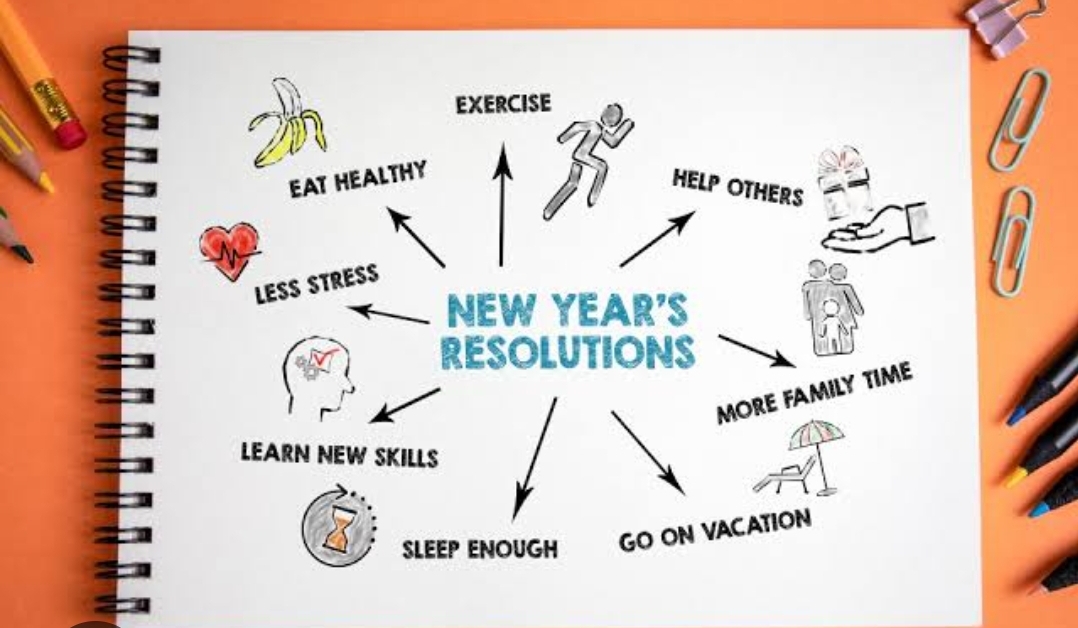
2025 is here now! Forget the long, sprawling list of grand resolutions. The year does not need a dramatic overhaul. It needs small, consistent wins. These should be your caress.
What Works
This year, consider ditching the “New Year, New Me” mindset for a more practical, flexible approach. Set smaller, achievable targets that build over time. Instead of “write a book,” aim for “write 300 words a day.” Instead of “run a marathon,” start with “walk 3 times a week.” Progress compounds quietly but steadily.
Now go ahead. Break the year into 90-day sprints. Shorter timelines keep goals fresh, preventing that mid-year slump. Reflect and adjust every quarter. It is easier to recalibrate than to scrap the entire goal.
Do not forget to follow process over outcome. Focus on daily systems rather than distant outcomes. If the goal is weight loss, shift the focus to consistent meal planning and regular movement. Let results flow and follow naturally.
Be accountable too. Share progress with a small, trusted group rather than blasting resolutions to the world in the socials. Public declarations often lead to performative action, while intimate accountability nurtures real growth.
Be sure to celebrate small wins. Recognise progress, no matter how minor. Built a habit for 30 days? That is a win right there. Celebrate it! Celebrating small victories fuels motivation to keep going.
This 2025, keep your resolutions SMART – Specific, Measurable, Achievable, Realistic and Timely!
Crediblenewsng.com