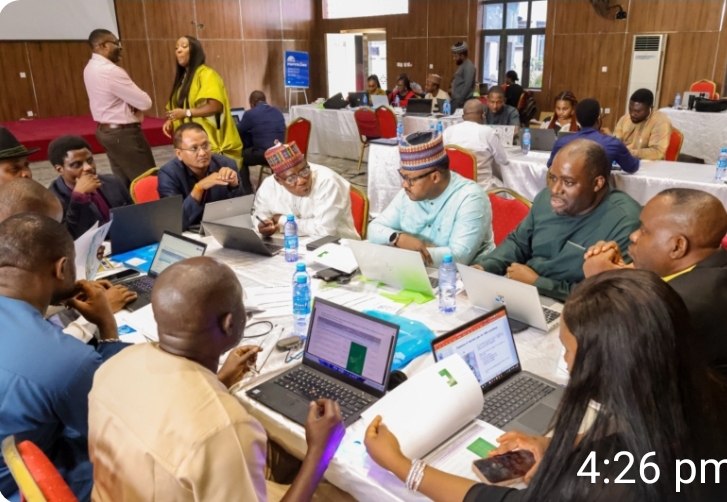
Nigeria’s battle against antimicrobial resistance, AMR, gained fresh momentum at the weekend as key stakeholders from health, agriculture, and environmental sectors gathered in Abuja for the first-quarter meeting of the AMR Technical Working Group, TWG, and Coordinating Committee.
Experts from human health, animal health, agriculture, and environmental sectors reviewed progress, tackled challenges, and reinforced strategies to curb the growing threat of AMR, which undermines essential medicines and escalate infectious disease burdens.
Dr. Tochi Okwor, Chair of the AMR Coordinating Committee, commended the TWG for delivering Nigeria’s first National Action Plan,NAP 1.0, and driving the development of the second phase, NAP 2.0. She highlighted the team’s success in securing both technical and political endorsement for the updated action plan, which will guide AMR interventions from 2024 to 2028.
Prof. Kabir Junaid, Co-Chair of the TWG, underscored the importance of collaboration across all sectors, stressing the need for a clear strategy and continuous evaluation of past initiatives.
Discussions at the meeting focused on enhancing AMR surveillance, antimicrobial stewardship, infection prevention, and public awareness campaigns. Strengthening coordination across human, animal, and environmental health sectors under the One Health approach remained a key priority, alongside exploring funding opportunities to sustain AMR response efforts.
The National Action Plan 2.0 builds on the achievements of its predecessor, implemented from 2017 to 2023, reinforcing Nigeria’s commitment to tackling AMR and safeguarding public health.
Crediblenewsng.com