The health system in Gaza is buckling under pressure as displaced families seek care amid a growing shortage of medicine and rising infections.
Dr Sukkar and three fellow doctors at an MSF-run clinic are racing to treat hundreds of displaced patients each day, despite dwindling medical supplies and growing trauma cases.
“We’re seeing dozens of children with respiratory infections, diarrhoea and skin diseases,” says Dr Sukkar. “Viruses spread quickly in shelters.”
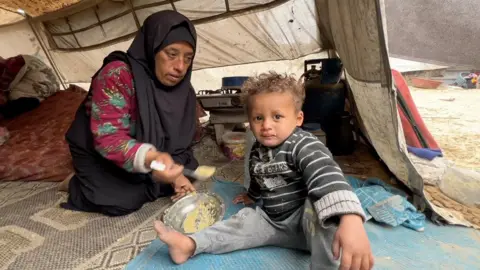
Most patients are women, children, and the elderly. Many live in overcrowded tents or street shelters, battling hunger, infections, and burns from open-fire cooking.
A toddler arrives with mosquito bites, others suffer from scabies. Some are seriously wounded, like Saeed Barkat, who walks in on crutches after surviving an artillery attack.
“I started treatment at al-Shifa, then al-Ahli, but it was bombed,” says Barkat. He now relies on the clinic for dressing changes and pain relief.
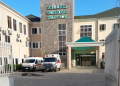
Al-Ahli hospital in Gaza City, previously a major trauma centre, is now out of service after being struck in an Israeli air raid last Sunday. Its emergency facilities were destroyed.
READ ALSO:Israel blocks Gaza aid to undermine Hamas
The Israeli military claimed Hamas operated from the hospital, a charge Hamas denied. With Al-Ahli gone, the burden has shifted to already strained clinics.
Inside the MSF clinic’s pharmacy, shelves are bare. “We don’t have insulin, anti-fever drugs or epilepsy medication,” says Dr Sukkar. “We’re rationing everything.”
Israel shut Gaza’s border crossings in early March, halting all humanitarian aid. With no new supplies, doctors fear they’ll run out in under two weeks.
“We lack even basic skin creams for bacterial infections,” she says. “It’s scabies season, and we can’t treat it.”
By 3:30 pm, the doctors have seen nearly 390 patients. Despite exhaustion, Dr Sukkar heads home to face the same struggles as her patients.
Displaced nine times with her children, she juggles treating others with the daily hunt for food, water, and electricity.
“I feel I live in a nightmare,” she says. “There’s no hope, no end in sight.”
BBC News