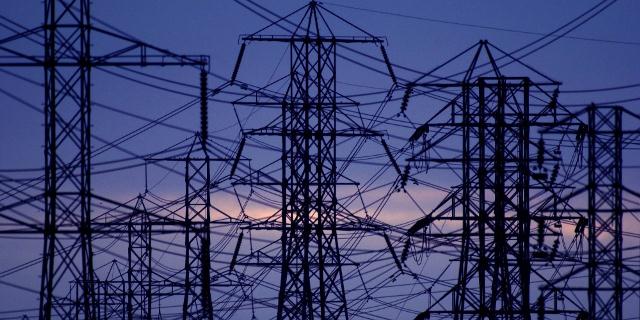
A breakthrough in power beaming technology could soon make wireless electricity a practical solution for homes, reshaping global energy systems.
The long-envisioned dream of wirelessly transmitting electricity is edging closer to reality, thanks to rapid advances in science and engineering. Known as “power beaming,” this emerging technology could revolutionize energy delivery, offering a cleaner, more efficient alternative to traditional power lines.
The concept isn’t new. In 1901, renowned inventor Nikola Tesla envisioned transmitting power through the Earth’s atmosphere. While his project never came to fruition, it inspired decades of research.
In 1964, engineer William C. Brown demonstrated microwave-powered flight by energizing a small helicopter without wires. His work with NASA in 1975 successfully transmitted 30 kilowatts over a one-mile distance, though with only 50 percent efficiency.
READ ALSO: Benin, Togo owe Nigeria $8.84m for electricity
Today, improved laser systems, compact components, and enhanced computing power have brought power beaming into sharper focus.
Engineers are now developing systems that convert electricity into microwaves or laser beams, transmit it through air, and then reconvert it back to electricity at the receiving end.
This innovation holds promise for powering remote communities, disaster zones, and potentially space-based solar power stations. With growing investment and global pilot programs, experts believe wireless energy could become a standard feature in future smart grids.
Though challenges remain—especially around efficiency, safety, and regulation—ongoing trials suggest a new era of energy transmission may be within reach.
Sustainability Times