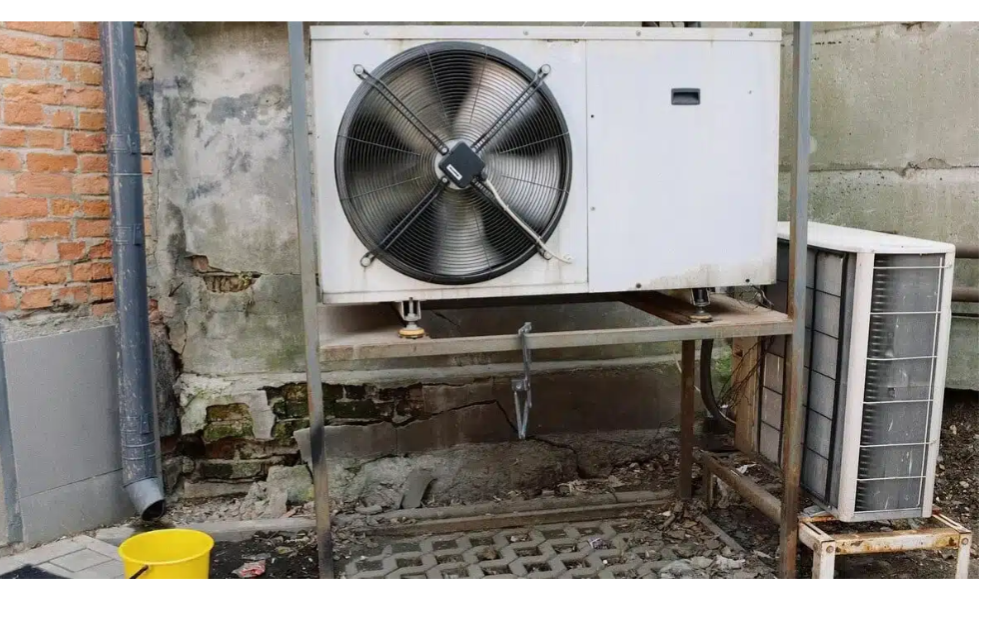
Air conditioners produce condensation that, though often overlooked, can help reduce utility bills and support eco-friendly living during hot summer months.
First, let’s understanding AC condensate water and its benefits
Air conditioners pull moisture from indoor air during the cooling process, creating a steady stream of condensate water. Usually, this water is simply drained away, but its purity makes it special essentially distilled, and free from the minerals and contaminants often found in tap water.
Because it lacks calcium and magnesium, AC water is naturally soft and ideal for tasks where mineral deposits would be an issue. During peak summer months, a typical household unit can produce 5 to 20 gallons of water per day, depending on humidity and usage.
READ ALSO:Best time to walk for maximum health
Though not safe for drinking due to possible bacterial contamination from internal components, this water has many practical uses. Collecting it is simple: just place a clean container under your unit’s drainage pipe. Be sure to clean the container regularly to avoid bacteria buildup.
Using AC condensate supports conservation by reducing water waste. It saves money and helps protect limited water supplies under growing environmental pressure.
Smart Household Uses for AC Condensate Water
The mineral-free nature of AC water makes it perfect for many home tasks:
Ironing: Prevents mineral stains on garments
Window Cleaning: Leaves glass streak-free and spotless
Car Maintenance: Great for topping batteries and washer fluid
Humidifiers: Prolongs device life by preventing scale buildup
Steam Irons: Keeps vents clear and functioning well
AC water also works wonders on mirrors and other glass surfaces, where tap water often leaves streaks. It’s great for laundry pre-treatment too, free of minerals that could weaken detergent effectiveness, making it gentle on delicate fabrics.
Garden Benefits of AC Water
Your garden can thrive with AC water, especially plants that prefer slightly acidic conditions. Houseplants like ferns, orchids, and African violets benefit from this pure, chemical-free source.
For outdoor gardens, it’s a helpful supplement during dry spells. While it lacks minerals found in groundwater, mixing it with tap water or adding fertilizer balances out nutrient needs for edible plants.
Using AC water reduces demand on natural sources and prevents further strain on ecosystems during drought.
Shrinking Your Environmental Footprint
Every reused gallon of AC water conserves precious drinking water. This simple act also lowers the energy used by municipal water treatment facilities, shrinking your household’s carbon footprint.
Outdoor cleaning with this water can also reduce runoff that pollutes waterways with chemical residue—another win for the environment.
Starting with small-scale reuse can inspire broader conservation habits. Homeowners who repurpose AC water often find themselves more mindful of recycling and resource-saving practices overall.
How to Get Started
Use existing containers to begin collecting
Gradually try new uses around the house
Store excess water for dry seasons
Track savings to stay motivated
Share your methods with others
By incorporating these habits, an average household can conserve thousands of gallons of water annually. The result? Lower bills, a lighter environmental footprint, and a more sustainable lifestyle, one drop at a time.
EVIDENCENETWORK