

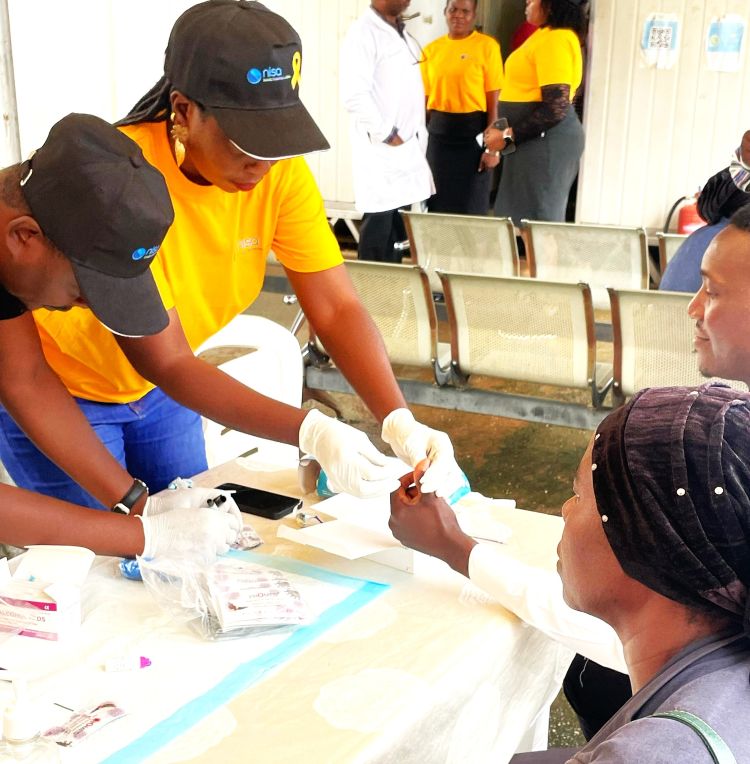
The number of liver cancer cases worldwide is expected to nearly double by 2050, reaching 1.52 million annually, unless urgent steps are taken to mitigate preventable risk factors, according to a study published in The Lancet on World Hepatitis Day.
The comprehensive research, conducted by an international team of experts using data from the Global Cancer Observatory, emphasizes that liver cancer remains one of the most lethal yet preventable forms of the disease.
Currently, liver cancer is the sixth most commonly diagnosed cancer globally, but it ranks third in cancer-related deaths.
The study estimates that by mid-century, 1.37 million people will die annually from the disease if preventive efforts are not intensified.
It also suggests that nearly 60% of future liver cancer cases could be prevented through targeted interventions addressing known risk factors.
These risk factors include chronic viral hepatitis infections, alcohol consumption, and metabolic dysfunction-associated steatotic liver disease, MASLD, previously known as non-alcoholic fatty liver disease. MASLD is strongly linked to obesity and type 2 diabetes, both of which are rising globally.
The report warns that without meaningful public health action, these conditions could significantly escalate liver cancer rates, particularly in developed countries.
The study identifies chronic infections with hepatitis B and C viruses as the leading causes of liver cancer. Despite the existence of a highly effective vaccine for hepatitis B, global coverage remains inadequate—especially in lower-income regions like sub-Saharan Africa.
Researchers estimate that hepatitis B alone could claim up to 17 million lives between 2015 and 2030 if current vaccination rates do not improve. Increasing birth-dose vaccination and expanding antiviral treatments are considered vital steps in curbing future cases.
ALSO READ: China employs AI system to detect stomach cancer
Alcohol-related liver cancer is also expected to grow, projected to account for over 21% of all liver cancer cases by 2050. This marks a notable rise from 2022, driven by increasing alcohol consumption in parts of Europe, North America, and Asia.
Similarly, liver cancers linked to MASLD are anticipated to rise to 11% of total cases, underlining the need for more aggressive action on obesity and metabolic disorders.
“The global burden of liver cancer is increasing at an alarming pace, largely due to factors we can address,” said the study authors. “This underscores the urgent need for comprehensive, multisectoral action including vaccination, public education, and improved access to treatments.”
The findings are particularly timely as they were released on World Hepatitis Day, observed annually to raise awareness of hepatitis viruses and promote vaccination.
While hepatitis C has become more manageable due to the availability of effective antiviral treatments, access to these medications remains a challenge in many low-income countries.
Public awareness campaigns were also highlighted as crucial tools in combating liver cancer. Experts recommend that individuals with obesity, type 2 diabetes, or long-term alcohol use should undergo routine liver screenings to detect early signs of MASLD.
In the U.S., Europe, and parts of Asia, where obesity rates are high, screening and education could play a pivotal role in prevention.
In addition to prevention, the study calls for improved investment in liver cancer research, early detection tools, and health infrastructure to manage existing cases.
Many liver cancers are diagnosed at late stages when treatment options are limited, contributing to high mortality rates.
Despite being a preventable disease in most cases, liver cancer continues to receive comparatively less attention than other major cancers like breast or lung cancer.
The study’s authors hope their findings will serve as a wake-up call for governments and health organizations around the world.
They stress that integrated strategies—including vaccine expansion, better alcohol regulation, improved nutrition, and accessible healthcare—can change the trajectory of liver cancer globally.
Vanguard











