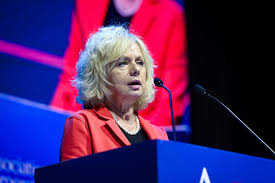
The Israeli cabinet has voted to fire Attorney General Gali Baharav-Miara, intensifying a dramatic confrontation between the government of Prime Minister Benjamin Netanyahu and the judicial establishment.
The country’s High Court swiftly intervened, freezing the decision as petitions poured in, warning of an unprecedented threat to Israeli democracy.
The Israeli government’s decision marks the first time in the nation’s history that a sitting attorney general faces dismissal by the executive branch. Justice Minister Yariv Levin, who advanced the proposal, argued that Baharav-Miara had consistently obstructed the will of the elected government, frustrating its policies, appointments, and legislative agenda.
Baharav-Miara, who currently oversees Prime Minister Netanyahu’s ongoing corruption trial, has long maintained that her actions have been guided by the rule of law and by protecting key legal boundaries. She refused to attend the dismissal vote, calling the procedure itself “fundamentally contrary to law” and warning that it would “mortally harm” Israel’s democratic principles by placing the attorney general at the mercy of political leaders.
“The implication of the process is turning the position of attorney general… to one dependent on the good graces of the government,” she stated in a letter to cabinet ministers.
The reaction from Israel’s judiciary was swift. The Supreme Court issued an interim order halting the ouster, insisting that Baharav-Miara remain in her position until legal challenges are resolved. The court also barred the government from appointing a replacement or altering the attorney general’s powers, effectively keeping all her legal opinions binding for now.
Critics have accused Netanyahu who himself is on trial for bribery, fraud, and breach of trust of orchestrating a power grab aimed at neutralizing legal checks on his authority. Meanwhile, he and his supporters allege the attorney general has overreached and politicized her office.
This confrontation has rekindled debates over proposed judicial reforms that last year prompted mass protests across Israel, raising deep concerns about the future of the country’s long-standing checks and balances.
READ ALSO: Former Israeli security chiefs urge Trump to push Gaza ceasefire
Prominent civil society groups, such as the Movement for Quality Government in Israel, immediately challenged the move in court, with tens of thousands of citizens joining emergency petitions. They described the government’s action as “illegal” and “unprecedented,” warning that it would turn the attorney general into a political functionary and strip one of the last legal restraints on government conduct.
Political and social tensions flared further as protests erupted outside the Prime Minister’s Office. Opposition leaders denounced the government’s focus on firing the attorney general amid national security crises and ongoing turmoil from the Gaza conflict.
Now, all eyes turn to Israel’s High Court, as the country stands at a legal and political crossroads. The outcome could reshape not just the fate of one official, but the very role of law and democracy in Israeli public life.
CNN