Germany has announced a partial suspension of its military exports to Israel, marking a significant shift in Berlin’s policy amid intensifying violence in the Gaza Strip.
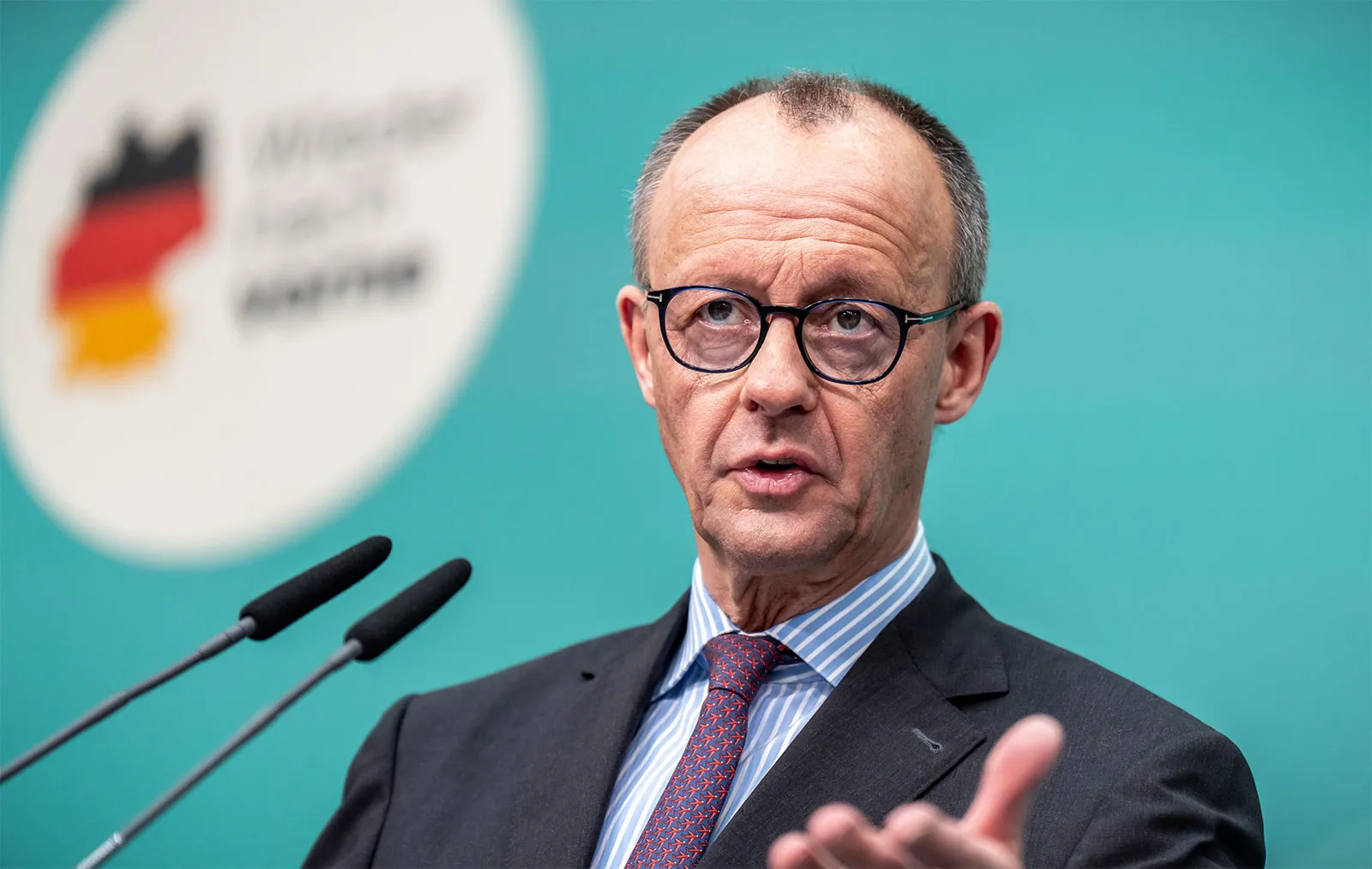
The decision, disclosed on Friday by Chancellor Friedrich Merz, is aimed at halting the supply of weapons and equipment that could be deployed in the besieged Palestinian territory.
The move comes in response to a fresh Israeli Security Cabinet decision to escalate military operations in Gaza — an action Germany warns could worsen the already dire humanitarian crisis.
“The German Government remains deeply concerned about the ongoing suffering of the civilian population in the Gaza Strip,” Merz said in a statement. “With the planned offensive, the Israeli Government bears even greater responsibility than before.”
Germany has long been one of Israel’s staunchest allies in Europe, offering unwavering diplomatic backing since the October 7, 2023, Hamas-led attacks that left over a thousand Israelis dead and hundreds taken hostage.
This steadfast support had, until now, extended to military cooperation. Berlin had consistently blocked European Union proposals to impose sanctions or arms restrictions on Israel, citing Israel’s right to defend itself.
However, the chancellor’s announcement reflects a growing unease within the German leadership over the scale and intensity of Israel’s military response.
According to officials familiar with the decision, the suspension will target specific categories of equipment, particularly those that can be directly employed in ground or aerial operations in Gaza, while leaving other forms of defence cooperation intact.
Merz stressed that while Germany continues to support Israel’s security and the release of hostages held by Hamas, military action must not come at the expense of civilian lives or the possibility of a diplomatic resolution.
He warned that Israel’s new offensive could undermine its own stated goals — including a negotiated ceasefire, the safe return of captives, and the long-term disarmament of Hamas.
ALSO READ: Germany’s arms exports to Israel ignites suspicion
The humanitarian toll in Gaza has drawn increasingly sharp criticism from international organisations and human rights advocates. The United Nations has repeatedly warned that over 80% of Gaza’s population is now displaced, with food, water, and medical supplies at critically low levels.
Recent satellite imagery has shown large-scale destruction of residential areas, raising concerns about the proportionality of Israel’s military actions.
Germany’s latest decision aligns with calls from several EU partners urging a more balanced approach that upholds both Israel’s security and Palestinian civilian rights.
While France and Spain have openly supported arms export reviews, Berlin’s shift carries particular weight given its historical responsibility to Israel and its position as one of the country’s largest European arms suppliers.
The partial arms suspension is likely to reverberate through German-Israeli relations, which have traditionally been anchored in deep historical ties and mutual security commitments.
Israeli officials have yet to issue a formal response, but analysts expect the move to prompt behind-the-scenes diplomatic engagement.
For the EU, Germany’s policy adjustment could serve as a catalyst for broader debate on military exports and accountability during conflicts.
It also reflects mounting domestic political pressure in Germany, where opposition parties and civil society groups have urged the government to reassess its role in arming Israel amid mounting civilian casualties in Gaza.
Merz reiterated Germany’s support for a two-state solution and urged all parties to return to mediated negotiations. “We must focus on creating conditions for peace — not actions that risk making it more elusive,” he said.