Germany has approved arms exports valued at nearly €485 million to Israel since the outbreak of the Gaza war on October 7, 2023.
The disclosure, based on data from the German Economy Ministry, has intensified domestic and international scrutiny over Berlin’s role in supplying weapons to a country engaged in a controversial and deadly conflict.
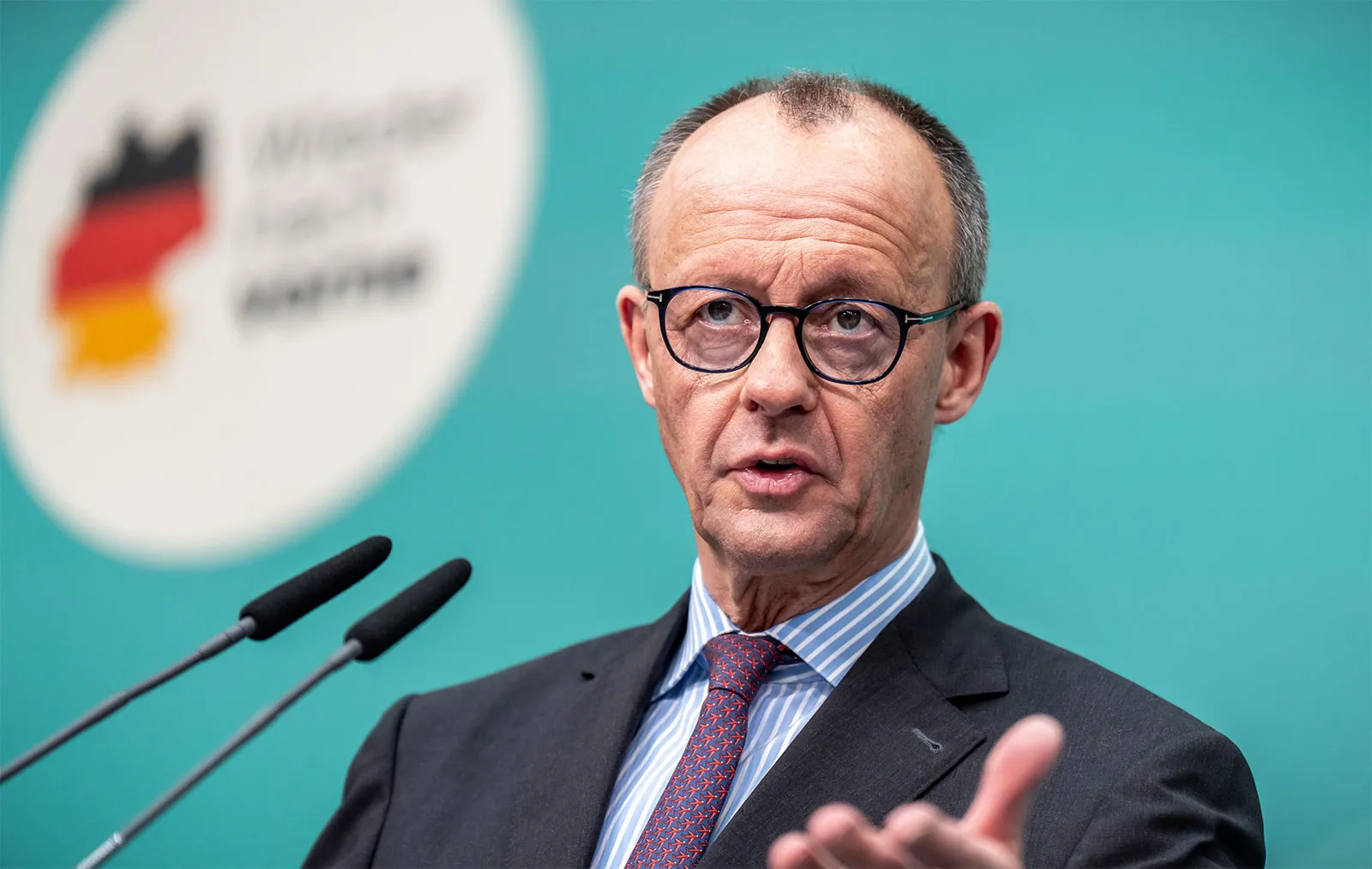
The figure represents the cumulative value of German arms export approvals granted since the start of the war, although it’s unclear whether this includes authorizations issued by Chancellor Friedrich Merz’s administration, which came into office on May 6, 2025.
Germany has long maintained a strong diplomatic and military alliance with Israel. Following the initial Hamas attacks in October 2023, German leaders across the political spectrum were quick to reaffirm support for Israel’s right to defend itself.
However, in recent weeks, that consensus has begun to fray amid growing international condemnation of Israel’s military campaign in Gaza, especially its latest offensive and ongoing restrictions on humanitarian aid.
Chancellor Merz and Foreign Minister Johann Wadephul have for the first time publicly criticized Israel’s actions, particularly in regard to the humanitarian situation.
Wadephul confirmed that the German government is currently reassessing whether Israeli military operations in Gaza align with international humanitarian law, a prerequisite for continued arms sales under German and EU export rules.
Despite the shifting tone at the top levels of government, divisions remain within Merz’s CDU/CSU political alliance.
Interior Minister Alexander Dobrindt has rejected the idea of halting arms deliveries, citing security commitments and long-standing cooperation with Israel.
CDU lawmaker Steffen Bilger added that while it was acceptable to voice criticism “among friends,” his party opposes any discussion of sanctions or embargoes.
READ ALSO: UN Chief condemns Israel killings at Gaza aid centre
The issue is also dividing public opinion. A recent poll conducted by INSA for the advocacy group Avaaz showed that 58 percent of Germans support the idea of a temporary suspension of arms exports to Israel.
Only 22 percent opposed such a move, while 19 percent remained undecided. The poll, conducted from May 28 to 30, surveyed 1,001 respondents across the country.
Germany’s arms export laws are among the strictest in Europe, generally prohibiting weapons sales to countries involved in active conflict or where human rights concerns exist.
However, Israel has often been treated as an exception due to the historical legacy of the Holocaust and the strong political, economic, and defense ties between the two nations.
Critics argue that Germany is failing to uphold its legal and moral obligations by continuing to approve military equipment destined for use in Gaza.
Human rights organizations have urged Berlin to adopt a clearer stance, noting that continued support could make Germany complicit in violations of international law.
With growing calls for policy clarity, the Merz administration now faces a delicate balancing act—maintaining its strategic partnership with Israel while responding to legal scrutiny, humanitarian concerns, and public opinion at home.
As the war in Gaza shows no sign of de-escalating and the humanitarian crisis worsens, all eyes are now on Berlin’s next move.
The decision could mark a turning point in Germany’s foreign policy posture—not just toward Israel, but in how it balances arms exports, ethics, and diplomacy on the global stage.
NAN