Health authorities in the Democratic Republic of the Congo, DRC, have declared a new Ebola outbreak in Kasai Province, raising fresh concerns about the spread of the deadly virus in the country.
Officials confirmed that 28 suspected cases and 15 deaths have already been recorded in the affected region.
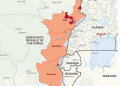
According to the World Health Organisation, the outbreak is currently concentrated in the Bulape and Mweka health zones, located in the south-central part of Kasai Province.
These areas are remote, making access and rapid response more difficult. An advance team from the DRC’s Ministry of Health, supported by WHO experts, has already been deployed to contain the situation.
The Ebola virus disease is rare but highly infectious and often fatal. Symptoms include fever, diarrhoea, vomiting, and internal bleeding.
On September 3, laboratory tests conducted at the National Institute of Biomedical Research in Kinshasa confirmed the outbreak as caused by the Ebola Zaire strain—the most lethal of known strains.
To scale up the response, the DRC’s national Rapid Response Team, along with WHO specialists in epidemiology, infection prevention, case management, and risk communication, has been dispatched to Kasai Province.
WHO also announced the delivery of two tonnes of critical supplies, including personal protective equipment, mobile laboratory kits, and medical tools needed for frontline responders.
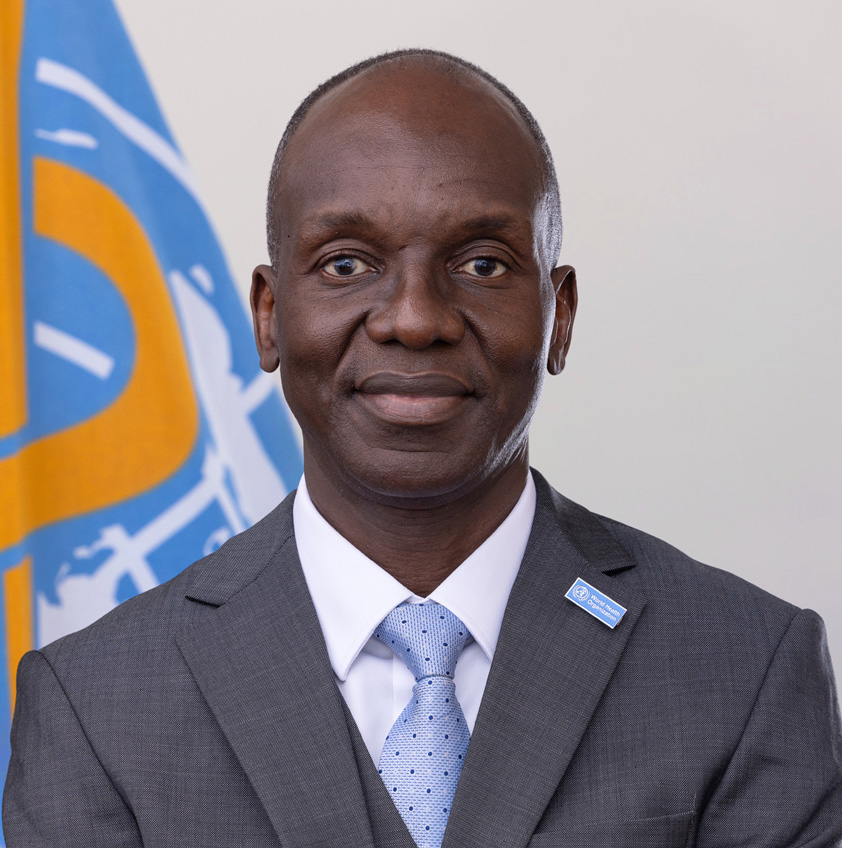
Speaking on the urgency of the response, Dr. Mohamed Janabi, WHO Regional Director for Africa, said the organisation is working closely with Congolese health authorities to halt the spread. “We’re acting with determination to rapidly halt the spread of the virus and protect communities.
ALSO READ: Tomato Ebola outbreak devastates Nigerian farms
Banking on the country’s long-standing expertise in controlling viral disease outbreaks, we’re working closely with the health authorities to quickly scale up key response measures,” he noted.
Despite these efforts, WHO has warned that the number of cases could rise as transmission is still ongoing. In preparation, the DRC has already prepositioned 2,000 doses of the Ervebo Ebola vaccine in Kinshasa.
This stockpile will be transported to Kasai to vaccinate frontline health workers and individuals who have been in contact with confirmed cases.
The outbreak’s location poses logistical challenges. Kasai is at least a day’s drive from the provincial capital, Tshikapa, and has limited air connections, making it harder to move supplies and personnel quickly.
To overcome these difficulties, communication experts are also working to reach local communities with health messages to improve awareness and prevention.
The DRC has faced multiple Ebola outbreaks since the virus was first identified there in 1976, with this being the 15th.
The most recent outbreak in Equateur Province in April 2022 was successfully contained in less than three months, showcasing the country’s experience in handling such emergencies. Kasai itself has previously reported Ebola outbreaks in 2007 and 2008.
As health authorities intensify containment measures, the global health community is once again turning its attention to the DRC, where the balance between swift response and accessibility will determine how quickly the current outbreak is brought under control.
NAN